
10 Everyday Items Made From Post-Consumer Waste

Summary
From the clothes you wear to the packaging your groceries arrive in, post-consumer materials are redefining sustainability and shaping the circular economy.
The world produces over 2 billion tons of waste every year — but what if that trash could be transformed into treasure? That’s exactly what some brands are doing with post-consumer waste — materials discarded by consumers and recycled into new, useful products.
From the clothes you wear to the packaging your groceries arrive in, post-consumer materials are redefining sustainability and shaping the circular economy. Here’s a closer look at everyday items now being made from post-consumer waste, and the brands leading the way.
Join Causeartist
Our mission is to highlight and celebrate the founders, creators, investors, and conscious brands shaping the future of conscious business and philanthropy.
No spam. Unsubscribe anytime.
1. 👟 Sneakers
Made From: Recycled plastic bottles, post-consumer polyester, discarded rubber, and upcycled textiles.
The sneaker industry is infamous for waste and pollution. Traditional sneakers can take up to 1,000 years to decompose, with synthetic materials like foam and rubber clogging landfills. Today, a new wave of brands is closing the loop by turning plastic waste into footwear.
Examples:
- Rothy’s: Uses rPET (recycled plastic water bottles) to create knit uppers for their sneakers and loafers. Over 200 million plastic bottles have been repurposed through their process.
- Allbirds: The Tree Dasher uses a combination of eucalyptus fibers and post-consumer recycled materials in its sole and upper, while the Mizzle line features recycled polyester and wool.
- Adidas x Parley for the Oceans: Collaborated to release high-performance running shoes made from intercepted ocean plastic waste.
Why It Matters: Every pair of recycled-material sneakers prevents waste from entering oceans or landfills — and reduces reliance on virgin plastics derived from fossil fuels.
Related reading:
2. 🧻 Toilet Paper
Made From: Post-consumer paper like office documents, newspapers, and used packaging materials.
Toilet paper made from virgin trees contributes to massive deforestation. Luckily, recycled alternatives are here — and they’re softer and more sustainable than ever.
Examples:
- Who Gives A Crap: Offers 100% recycled toilet paper, diverting post-consumer paper waste from landfills while donating 50% of profits to sanitation projects worldwide.
- Seventh Generation: Their toilet tissue and paper towels are made from 100% recycled fiber, helping reduce the environmental footprint of household paper.
Why It Matters: Using recycled paper saves water, energy, and roughly 30,000 trees per day, helping to protect forests and ecosystems.
3. 🎒 Backpacks & Bags
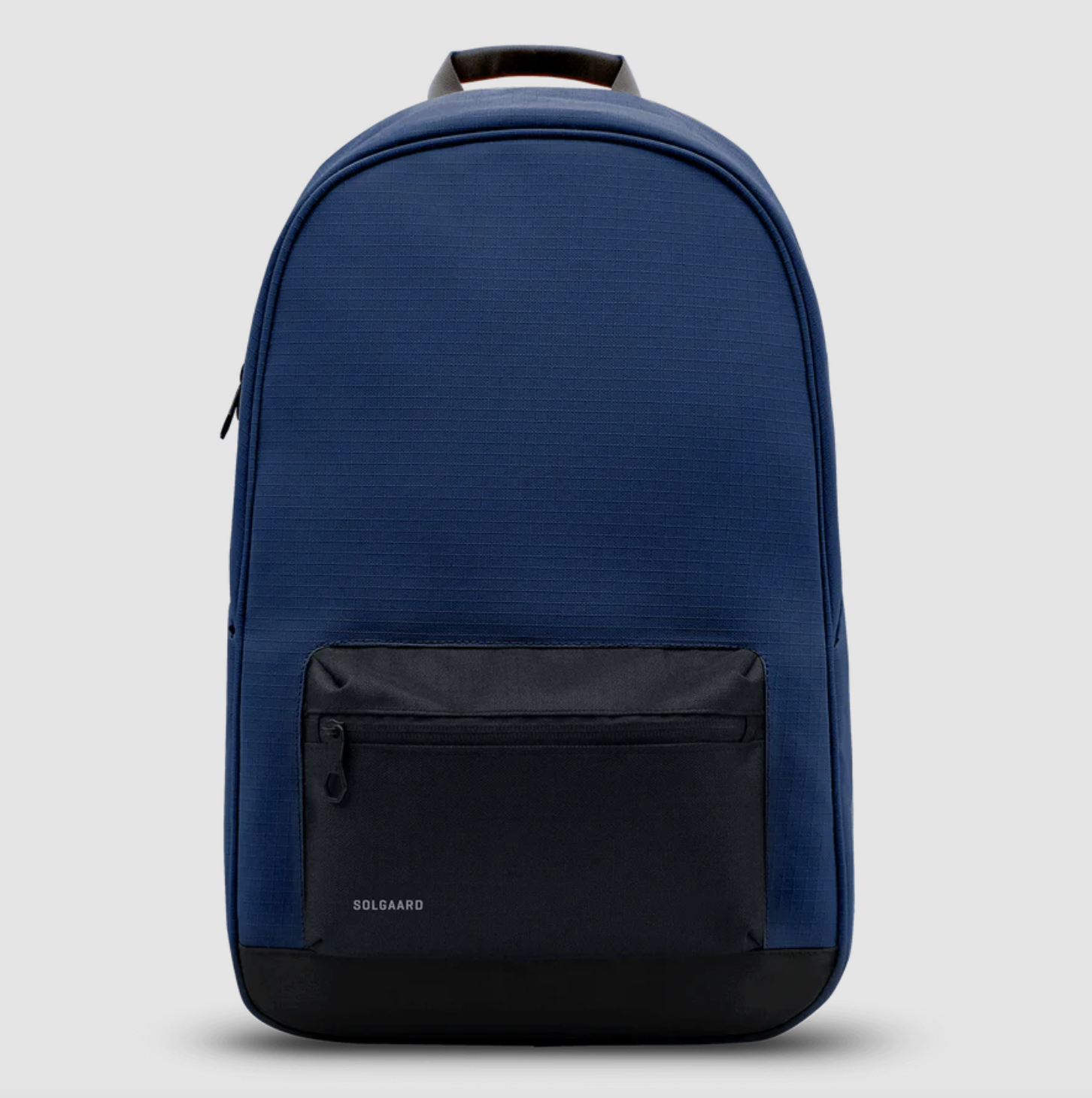
Made From: Recycled PET plastic, fishing nets (nylon), and discarded textiles.
Backpacks have become a canvas for sustainability, as brands rethink fashion’s role in climate change. Bags made from waste are not only durable, but also beautiful and functional.
Examples:
- Day Owl: Makers of the First Circular Backpack, Day Owl designs its bags from recycled post-consumer plastic, old workwear, and landfill-bound textiles. They also operate a take-back program, collecting and recycling old bags to complete the circular loop.
- Solgaard: The Shore-Tex™ Backpack is made from ocean-bound plastic waste collected in coastal communities.
Why It Matters: Turning plastic and fabric waste into travel and school essentials keeps harmful materials out of our oceans and gives them a valuable second use.
The Journey of Upcycling Plastic Bottles to Create Sustainable Jobs and Products
4.📱Electronics & Tech Gadgets
Made From: Post-consumer plastics, recycled aluminum, rare earth metals, and recovered e-waste.
The global electronics industry generates over 50 million tons of e-waste every year — much of it unrecycled and dumped into landfills.
But a growing group of conscious tech companies is changing that, building high-performance devices and accessories from recycled and recovered materials, while advocating for repairability and longer product lifespans.
Examples:
- Fairphone: The Dutch brand’s modular smartphones are made with 100% recycled plastics, recycled tungsten, and ethically sourced conflict-free materials. Every Fairphone is designed to be easily repaired, with parts like the battery, screen, and camera fully replaceable.
- Framework: Their laptops are built for circularity — featuring recycled aluminum enclosures, modular components, and a marketplace for DIY repair parts. Users can upgrade components instead of replacing the whole machine..
- Nimble: A standout in sustainable tech accessories, Nimble offers portable chargers, phone cases, and charging cables made with up to 72% post-consumer recycled plastic and recycled aluminum. Their packaging is 100% plastic-free, made with recycled paper and non-toxic ink. Even better? Every Nimble product comes with a prepaid e-waste mailer so you can responsibly recycle your old tech.
Why It Matters: Most electronics are designed to be replaced, not repaired — contributing to massive waste and resource extraction. These companies prove it’s possible to build beautiful, powerful tech that’s better for people, the planet, and your pocket.
5. ☕ Coffee Cups & Mugs
Enjoying this? Get the next one.
We send one email each Monday with what just published on Causeartist.
Free. Unsubscribe anytime.
Made From: Recycled single-use cups, plastics, and post-consumer paper.
Billions of disposable coffee cups are used and trashed every year — many of which are not recyclable due to plastic linings. Reusable coffee cups made from post-consumer waste help address this issue head-on.
Examples:
- Circular&Co: Produces reusable cups made from used takeaway coffee cups — a perfect example of circular product design.
- Weducer Cup by Kaffeeform: Made from used coffee grounds and recycled beechwood fibers, these cups are lightweight, heat-resistant, and biodegradable.
- HuskeeCup: Created from coffee husk waste — a byproduct of the coffee production process. HuskeeCups are durable, BPA-free, and used in hundreds of cafes as part of the HuskeeSwap return program.
- Klean Kanteen: Their insulated tumblers and mugs now include models with 95% post-consumer recycled stainless steel, supporting their goal of climate neutrality.
Why It Matters: These reusable options reduce the need for virgin materials, lessen plastic pollution, and help shift habits toward long-term sustainability.

Causeartist BackOffice
Your Mission-Aligned Operations Team
From investor-ready financials to growth strategy, HR, compliance, and custom software—Causeartist BackOffice is your all-in-one operational partner. Built for impact startups, funds, and nonprofits, and powered by our experts.
Let us handle the back office—so you can stay focused on impacting the world.
6. 🧴 Shampoo & Body Wash Bottles
Made From: Recycled HDPE, PET, and post-consumer aluminum.
Personal care packaging accounts for over 120 billion units of waste annually. Brands are turning to post-consumer recycled (PCR) content to clean up the beauty industry.
Examples:
- Plaine Products: Delivers shampoo, conditioner, and body wash in refillable aluminum bottles, eliminating single-use plastic altogether.
- Love Beauty and Planet: Uses 100% post-consumer recycled plastic for their bottles and has made commitments to full recyclability.
Why It Matters: Using PCR packaging cuts energy usage, lowers emissions, and reduces our reliance on fossil fuels for plastics.
7. 🧼 Soaps & Cleaning Products
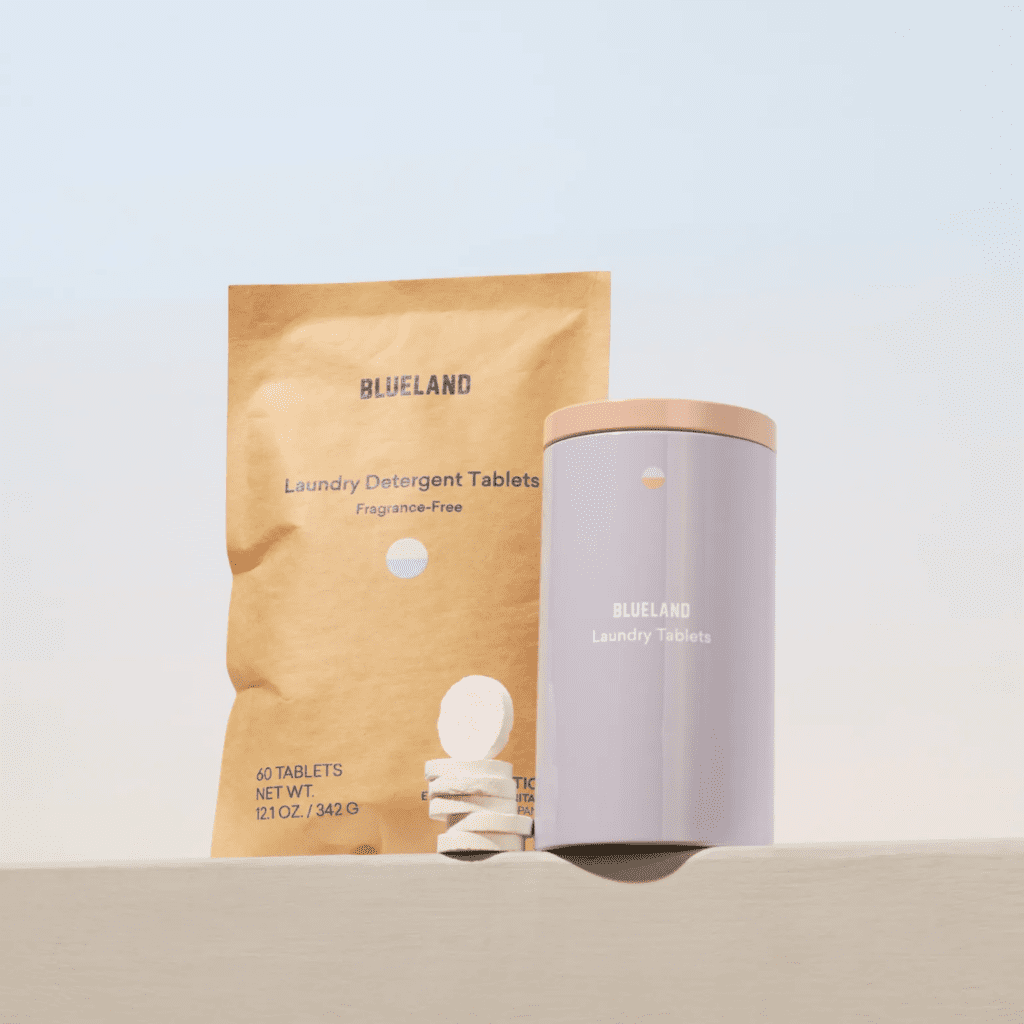
Made From: Recycled packaging and ingredients like used cooking oil, glycerin, and paperboard.
Sustainable cleaning isn’t just about what’s in the bottle — it’s about the bottle itself. Companies are now prioritizing closed-loop systems and waste-free formulas.
Examples:
- Blueland: Refillable cleaning tablets shipped in compostable or recycled packaging. No single-use bottles — just water and tablets.
- Cleancult: Ships soap refills in recyclable milk-carton-style containers made with recycled paperboard.
- Etee: Offers plastic-free soap bars and dissolvable cleaning pods in compostable wrappers.
Why It Matters: Switching to products with post-consumer packaging (and minimal waste systems) drastically reduces your household’s plastic footprint.
8. 📦 Shipping Boxes & E-Commerce Packaging
Made From: Recycled cardboard, kraft paper, corrugated paperboard, and recycled poly mailers.
With the rise of e-commerce, packaging waste has surged. Brands are combating this by using 100% recycled — and recyclable — materials for boxes, envelopes, and fillers.
Examples:
- EcoEnclose: Provides recycled and recyclable boxes, polymailers, and tape, all made in the USA with high PCR content.
- noissue: Offers customizable packaging with compostable and recycled options for small businesses and mission-driven brands.
- Grounded Packaging: Uses ocean-bound plastic and PCR content to create flexible packaging solutions.
Why It Matters: Sustainable packaging reduces landfill waste and carbon emissions from virgin paper and plastic manufacturing.
9. 👕 Apparel & T-Shirts
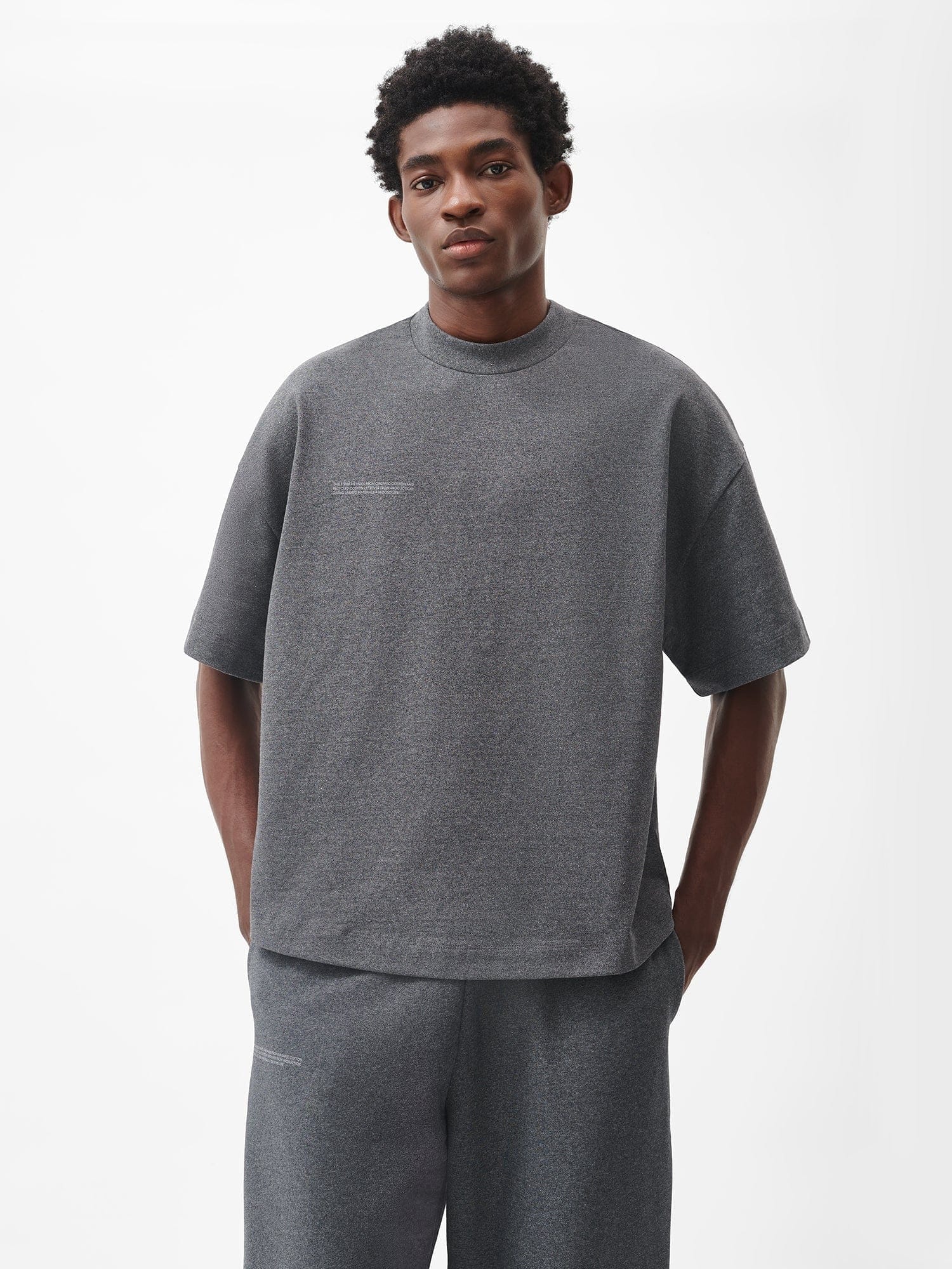
Made From: Recycled cotton, polyester (from plastic bottles), and post-consumer textiles.
Clothing made from post-consumer waste is gaining traction, especially as fast fashion’s environmental impact comes under fire. From t-shirts to leggings, waste-based fashion is making waves.
Examples:
- Girlfriend Collective: Turns post-consumer water bottles into leggings, bras, and tops — one pair of leggings uses 25 recycled bottles.
- PANGAIA: Uses Reclaim™ recycled cotton blends and bio-based dyes to create sustainable basics and colorful streetwear.
Why It Matters: Fashion is the second-largest polluter globally. Circular clothing reduces textile waste and demand for virgin fiber production.
10. 🕯️ Candles & Home Decor
Made From: Recycled glass jars, reclaimed metals, and sometimes even upcycled wax.
Even the small touches in our homes can come with a sustainable twist. Brands are embracing post-consumer waste in candles, planters, and decorative items.
Examples:
- Prosperity Candle: Makes hand-poured candles in recycled glass vessels, while supporting refugee artisans in the U.S.
- Siblings: Sells candle refill kits using recycled coconut wax and biodegradable packaging — customers reuse their existing candle jars.
Why It Matters: Home goods made from recycled materials support both environmental goals and often social impact missions as well.
Final Thoughts: The Power of Post-Consumer Waste
Every time you choose a product made from post-consumer waste, you’re supporting a regenerative economy — one that values reuse over extraction. These items prove that sustainable living doesn’t require sacrifice — it just requires intention.
By backing these innovative brands, you’re not only reducing your environmental impact, but also sending a message to industries that sustainability is no longer optional — it’s essential.
Related Articles
View all articles
Photo credit: MuralPay modified by Causeartist

Photo credit: Modern Mill, modified by Causeartist
Get the Monday roundup
New companies, funders, stories, podcasts, and case studies. One email a week.
Join 25,000+ Causeartists
Free. Unsubscribe anytime.