
Modern Mill Turns Rice Husks Into a Sustainable Wood Alternative
Modern Mill turns discarded rice husks into ACRE, a wood alternative built to win on performance and looks, not just sustainability. Founder and CEO Chris Guimond explains how the company scaled manufacturing, earned contractor trust, and measures impact.
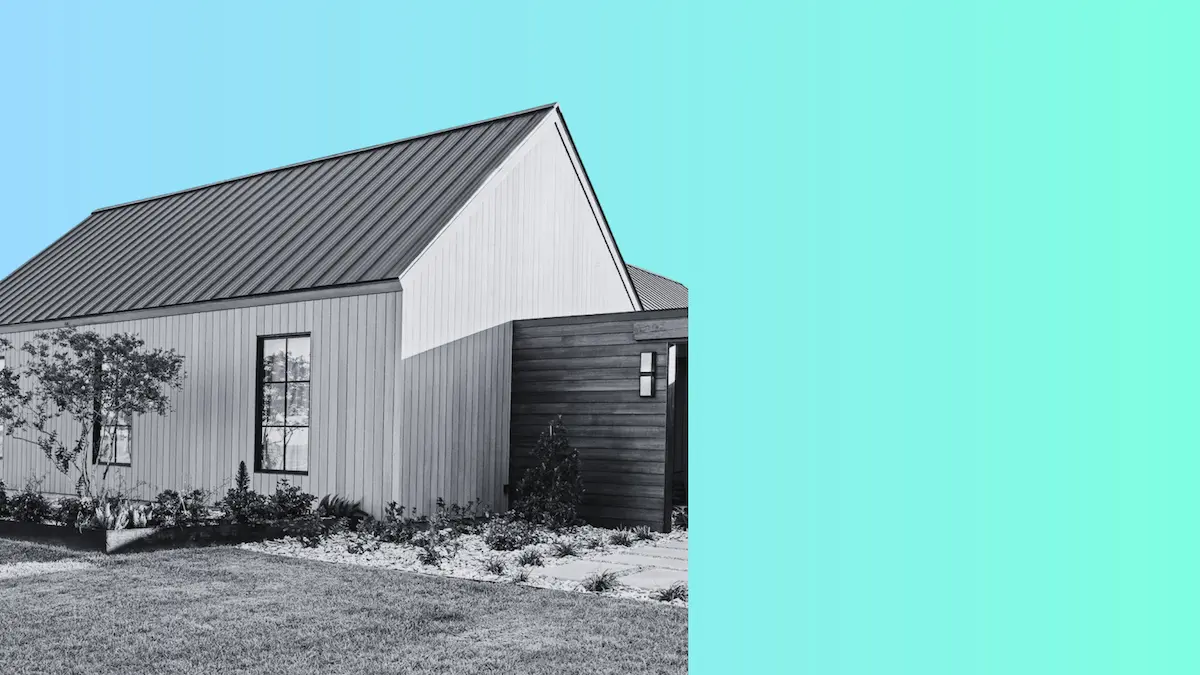
Photo credit: Modern Mill, modified by Causeartist
Key takeaways
- Modern Mill makes ACRE from rice husks, an agricultural byproduct that is mostly landfilled or burned, which gives the company a large and renewable feedstock.
- Chris Guimond chose to compete on performance and appearance first, because sustainable materials that require a tradeoff rarely displace wood.
- According to Modern Mill, ACRE takes paint or stain, which capstocked composites cannot, and stained boards can resemble cedar, ipe, teak, or mahogany.
- The company built a national-scale plant during COVID before it had sales data, then earned distribution region by region through a two-step channel.
- Third-party code testing opened doors with builders and inspectors, but hands-on demonstrations did the most to build contractor trust.
Enjoying this? Get the next one.
We send one email each Monday with what just published on Causeartist.
Free. Unsubscribe anytime.
Q: What first led you to rice hulls as the foundation for a new building material, and what convinced you ACRE could compete commercially with wood?
CEO Chris Guimond: Long before Modern Mill, I spent years working with fillers and polymer blends for composite building applications. Rice husks caught my attention because of the job they do during the growing cycle. They protect the grain from moisture, pests, and mold while the rice is still in the field.
That same protective structure is exactly what translates into durability once you put it into a building material: resistance to rot, moisture, and pest damage that traditional lumber can't match over time.
After earning my bachelor's and master's degrees in plastics engineering at UMass Lowell, I spent years in leadership roles at global raw material companies. The idea for Modern Mill began with an underutilized technology that blended rice husks with polymers. We patented that technology and made significant developments that turned it into what ACRE by Modern Mill is today.
Getting there took a lot of work.
The formulation, the manufacturing process, and how the material performed under everyday conditions all had to be developed to take it from a concept into something you could build a business around.
What convinced me it could be commercially viable was the volume play. Rice husks are generated in enormous quantities every year, and almost none of it gets used. It sits in landfills or gets burned. That's an essentially untapped, renewable supply, and once we figured out how to scale manufacturing, we had the opportunity to capture a meaningful piece of a massive market.
Q: Why compete on performance and aesthetics instead of asking customers to choose ACRE because it's sustainable?
Chris: Competing on performance and aesthetics was critical, because sustainable materials have almost always come with some kind of compromise. They performed worse, they needed more upkeep, or they just didn't look like the wood people actually want. If ACRE only won on sustainability and lost on performance or looks, it wouldn't have resonated, and most people would have kept building with wood or a standard composite.
That's exactly what we built ACRE to avoid. Even traditional composites make you give something up. Most are capstocked, with a plastic shell wrapped around the core. You get durability, but the look is plasticky and you can't stain it. You're locked into one color forever.
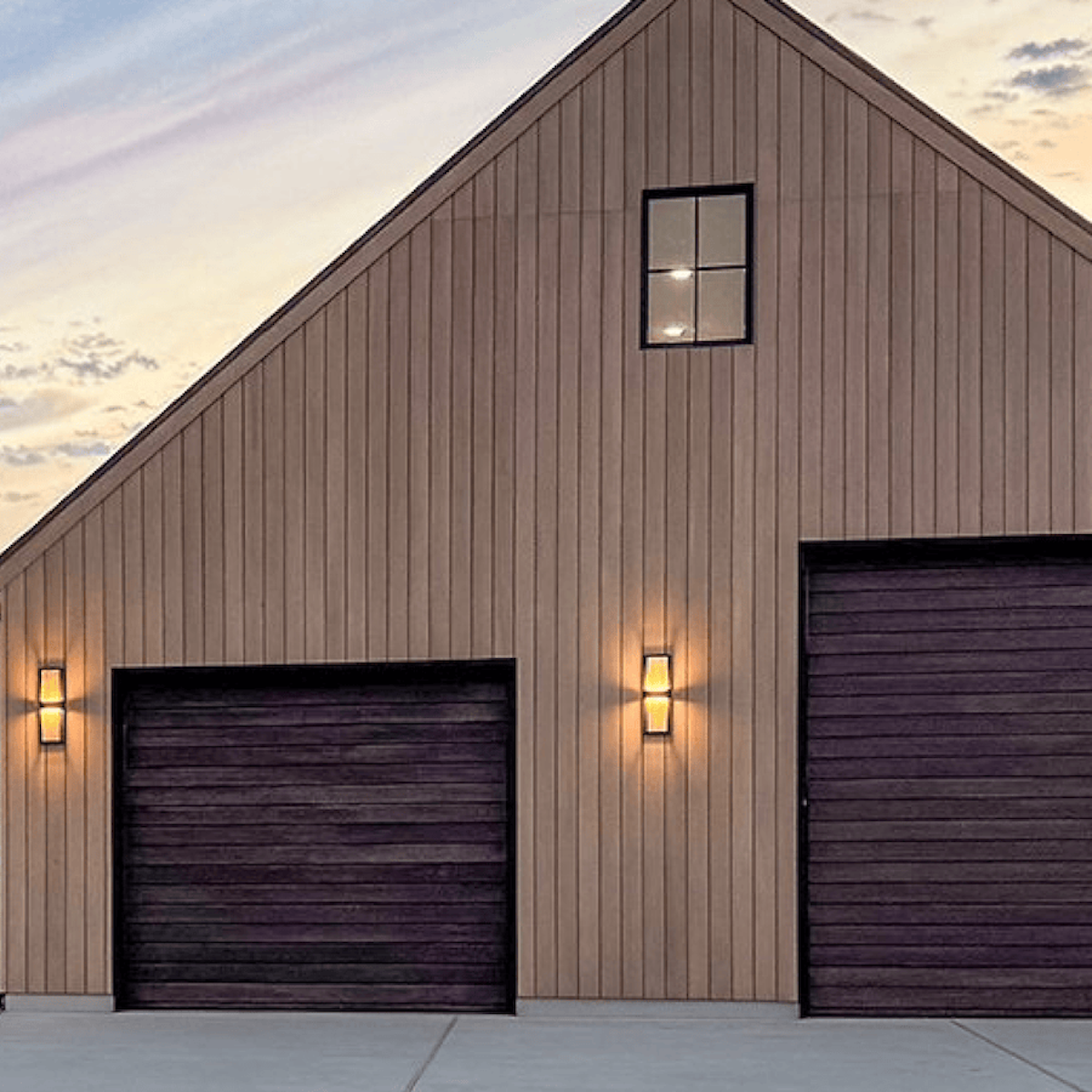
We wanted to build ACRE without making people choose between performance, aesthetics, and sustainability. The rice husk gives ACRE a much more natural look and feel, along with the ability to take paint or stain, and we're the only composite that can say that.
Once it's stained, the ACRE grain comes through, and it can look indistinguishable from high-end woods like cedar, ipe, teak, or furniture-grade mahogany. That's where we've had the biggest impact and gotten the best feedback from customers.
Q: What have been the hardest parts of building manufacturing capacity, distribution, contractor trust, and market education?
Chris: Getting a manufacturing company up and running during COVID wasn't easy, and building the size of facility we wanted made it even harder. Rather than start small and scale up gradually, we built a facility sized for a large, national opportunity from day one.
That meant committing to that scale before we had years of sales data to prove it out, and trusting that if we built something people actually wanted to work with, the demand would follow.
Distribution was its own grind. We sell through a two-step channel: manufacturer to distributor to dealer. Every one of those relationships had to be built from nothing, region by region. New England came first, then the Mid-Atlantic, then the Midwest, the mountain states, and the Pacific Northwest. Some markets took off fast. Others took years of showing up before a distributor was willing to commit shelf space to a product nobody had heard of yet.
Trust came down to two things: testing and firsthand experience. We put ACRE through the same code testing that wood and other composites have to pass, including hurricane wind load certification and wildfire zone ratings, so builders and inspectors weren't taking our word for it. They were looking at third-party results.
But the credentials only get you in the door. What has actually moved the needle on trust, distribution, and market education all at once is getting the material directly into people's hands. Once somebody touches it, cuts into it, sees how it takes a stain, and realizes it works with the same tools they already own, the skepticism usually disappears on the spot.
Q: How does Modern Mill measure its environmental impact, and which outcomes matter most as production grows?
Chris: Cutting down a tree that takes 100 to 200 years to fully grow, just to side or deck a house that will need to be replaced within a decade, doesn't make sense anymore given the innovative building alternatives that exist. That's the whole reason Modern Mill exists: to give builders and homeowners a way to get the same look and performance without relying on forests.
When it comes to measuring our environmental impact, we track two things closely: how many rice husks we're diverting from landfills, and how many trees are being saved because ACRE displaced them. The more ACRE gets used, the more both of those numbers grow.
Since we started production in 2021, we've helped preserve 69,000 acres of tropical rainforest, save 101,000 softwood trees, and divert 20.5 million pounds of rice husks from landfills.
On the manufacturing side, we also track how much scrap and water we recirculate back into the process. That's our internal efficiency scorecard as we scale, and as production and demand grow, those savings are only going to climb.
What we're trying to do is turn something that would otherwise sit in a landfill into the material people reach for instead of cutting down another old-growth tree.
Q: Where is the biggest opportunity for ACRE, and what will it take for alternative materials to go mainstream?
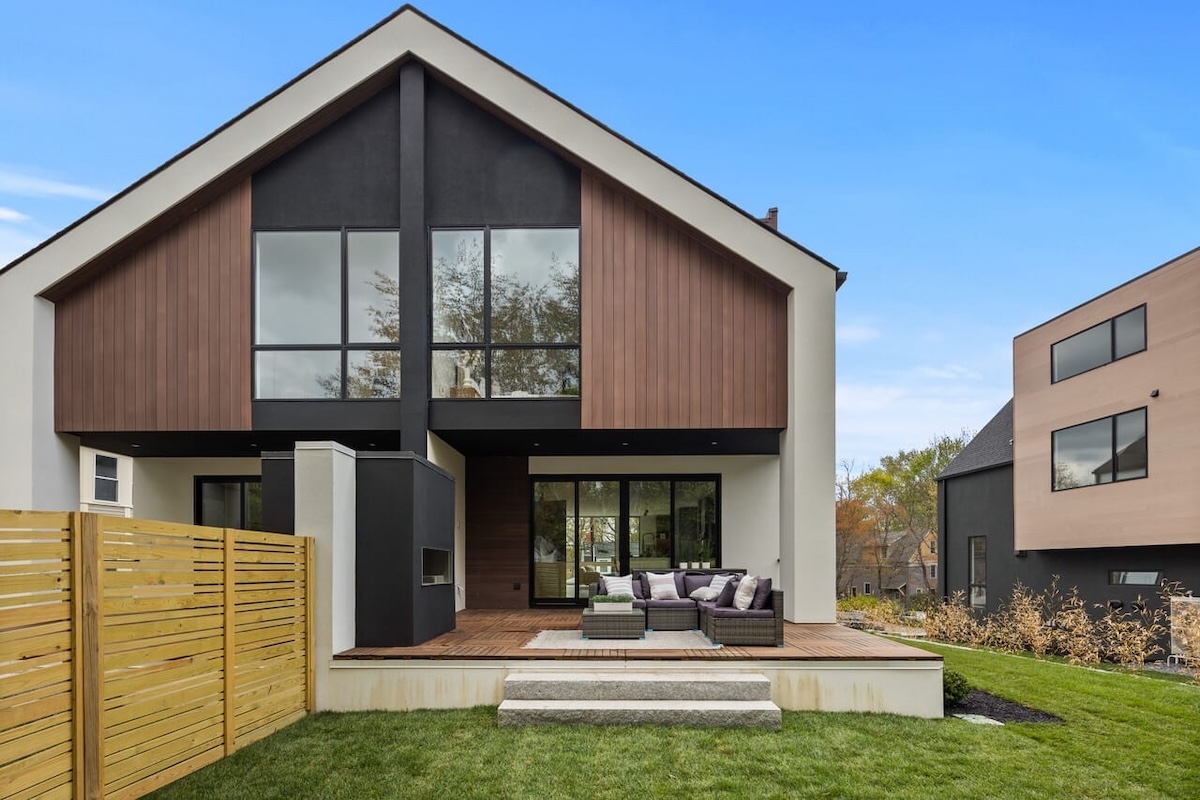
Chris: Up until now, our main focus has been the residential home market, and it continues to be a big focus for us. But we're just getting into other industries where there are massive growth opportunities. Healthcare, senior living, retail, and original equipment manufacturer (OEM) partnerships are all spaces where we're beginning to build a presence, and the volume behind each of them is massive.
We recently partnered with GameTime, one of the largest commercial playground manufacturers in the country, to bring ACRE into their EverForms line, including climbers, character pieces, and spring riders.
That partnership matters because it proves ACRE can perform in an entirely different setting than a house: constant daily use, direct weather exposure, and kids interacting with it up close. It still holds up, all while giving their designers a natural, nature-inspired material to work with.
That's the kind of opportunity we think exists across a lot of other industries. Any market that relies on wood and would rather build sustainably is a fit for ACRE.
Sources
- Written interview with Chris Guimond, Founder and CEO of Modern Mill, Causeartist (2026)
- Modern Mill: ACRE rice hull wood alternative, Modern Mill (2026)
- GameTime and Modern Mill Bring Sustainability to the Playground With ACRE, GameTime (2026)
FAQ
What is ACRE by Modern Mill?
ACRE is a tree-free building material made from upcycled rice hulls blended with polymers. Modern Mill manufactures it in Mississippi for siding, decking, trim, porch boards, sheet goods, and millwork.
Can ACRE be painted or stained?
Yes. According to Modern Mill, ACRE takes paint or stain, unlike capstocked composites that are locked into one color. Once stained, the company says it can resemble cedar, ipe, teak, or mahogany.
How does Modern Mill measure its environmental impact?
Modern Mill tracks rice husks diverted from landfills and trees displaced by ACRE. The company reports that since 2021 it has diverted 20.5 million pounds of rice husks and saved 101,000 softwood trees.
Where is ACRE used besides homes?
GameTime uses ACRE in its EverForms playground line, including climbers, character pieces, and spring riders. Modern Mill is also expanding into healthcare, senior living, retail, and OEM partnerships.
Related Articles
View all articles
Photo credit: NorthX Climate Tech / northx.ca

Photo credit: Unsplash - modified by Causeartist
Get the Monday roundup
New companies, funders, stories, podcasts, and case studies. One email a week.
Join 25,000+ Causeartists
Free. Unsubscribe anytime.