
Unlocking Potential: 15 Community Investing Initiative Examples
· 4 min read

Summary
Community investing not only helps improve the economic and social well-being of communities but also offers sustainable growth opportunities for investors.
Community investing not only helps improve the economic and social well-being of communities but also offers sustainable growth opportunities for investors.
Here, we explore some of the most impactful community investing initiatives that are making a difference across the globe.
What is Community Investing?
Community investing directs capital to regions that are underserved by traditional financial institutions.
This form of investing supports a range of projects, from affordable housing and small business development to environmental sustainability and access to healthcare.
It's not just about financial returns; it's also about creating a positive impact on society.
Community Investing Initiative Examples
Community Development Financial Institutions (CDFIs)
CDFIs aim to expand economic opportunity by providing access to financial services for residents and businesses.
Example: The Local Initiatives Support Corporation (LISC) is a CDFI that supports community development initiatives across the U.S. by providing loans and grants for affordable housing projects and community facilities.

Causeartist BackOffice
Your Mission-Aligned Operations Team
From investor-ready financials to growth strategy, HR, compliance, and custom software—Causeartist BackOffice is your all-in-one operational partner. Built for impact startups, funds, and nonprofits, and powered by our experts.
Let us handle the back office—so you can stay focused on impacting the world.
Microfinance Loans
These loans are given to low-income individuals to help them start small businesses, thereby fueling economic independence and community growth.
Example: Grameen Bank in Bangladesh provides microloans to the impoverished without requiring collateral, helping to start thousands of ventures primarily led by women.
Community Development Loan Funds
Such funds provide financing for a wide range of community projects that traditional banks might overlook.
Example: The Chicago Community Loan Fund provides loans and grants to local real estate developers for projects that include community centers and commercial spaces to revitalize neighborhoods.
Green Bonds for Community Projects
These bonds raise funds for projects that have positive environmental impacts within communities.
Example: New York’s Metropolitan Transportation Authority issued green bonds to fund the expansion of public transportation options that reduce carbon emissions. Learn more about Green Bonds.
Enjoying this? Get the next one.
We send one email each Monday with what just published on Causeartist.
Free. Unsubscribe anytime.
Equity Investments in Minority-owned Businesses
Investing directly in businesses owned by minorities to foster diversity in the business ecosystem.
Example: Backstage Capital is a venture capital firm that specifically invests in startups led by underrepresented founders, including people of color.
Crowdfunding for Community Projects
Platforms where individuals can contribute financially to specific local projects.
Example: Kickstarter has been used to fund community projects like local art installations and community gardens by pooling funds from numerous small investors.
Cooperative Fund Investments
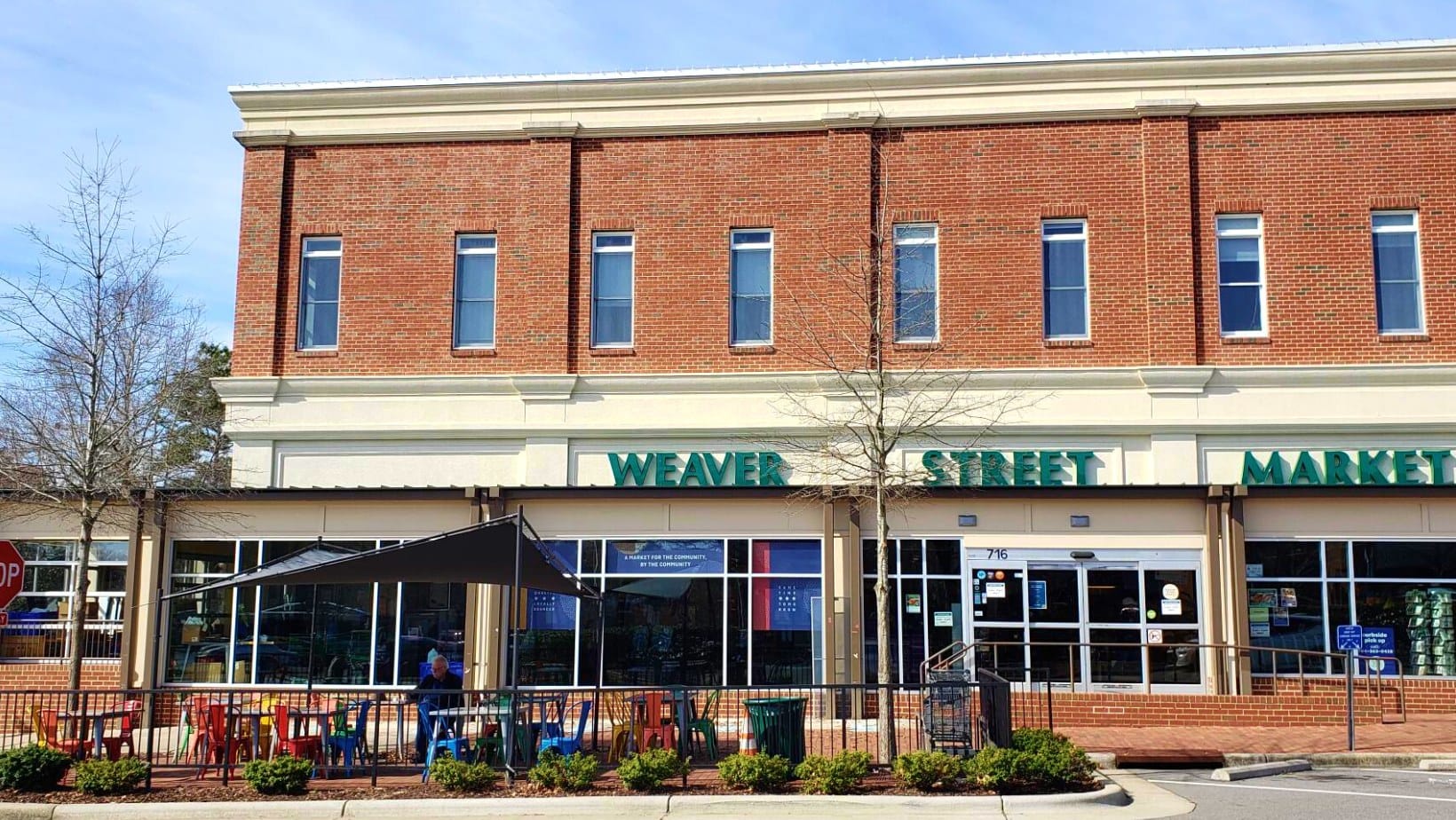
These investments support co-ops that are democratically owned and operated by their members.
Example: The Weaver Street Market in North Carolina is a cooperative grocery store owned by both workers and consumers, focusing on local and sustainable food sources.
Local Government Investment Pools (LGIPs)
These pools are used by governments to manage public funds, investing in various community-oriented projects.
Example: The Texas Local Government Investment Pool (TexPool) manages funds for local governments, financing projects such as road improvements and public utilities.
Enterprise Grants to Non-profits
Non-repayable funds given to non-profits that address critical issues within communities.
Example: The Ford Foundation provides grants to nonprofit organizations worldwide, focusing on issues such as social justice and education.
Community Reinvestment Act (CRA) Investments
Investments by banks into local communities to meet legal requirements, often aimed at revitalizing low- and moderate-income areas.
Example: Chase Bank has invested in various community development projects to improve housing affordability and support small business growth under the CRA.
Investments in Indigenous Communities
Investments focus on empowering indigenous communities through economic development tailored to their cultural practices and environmental stewardfrship.
Example: The Membertou First Nation has attracted significant investment for its community-owned businesses in Nova Scotia, enhancing local economic resilience.
Education Savings Accounts
These accounts help families save for future education costs.
Example: The Nevada Education Savings Account Program allows parents in Nevada to use funds allocated by the state to pay for a variety of educational expenses, including private school tuition, home-schooling costs, and tutoring services.
It is particularly notable for being one of the most inclusive ESAs, offering up to 100% of the state’s per-pupil funding to qualifying students.
Youth Entrepreneur Programs
Programs that support young entrepreneurs with funding, mentorship, and training.
Example: NFTE (Network for Teaching Entrepreneurship) provides entrepreneurship education and competitions for young people in economically challenged communities, helping them to start their own businesses.
These examples illustrate the diverse ways in which community investing can foster economic and social development across different regions and sectors.
Related Articles
View all articles
Photo credit: Causeartist

Photo credit: Sanku

Photo credit: MuralPay modified by Causeartist

Photo credit: Modern Mill, modified by Causeartist

