While national reports focus on the headlines in Washington, a more immediate challenge is unfolding on kitchen tables across the country: the rising cost of everyday living. For millions of households, the most pressing issue isn't a policy debate, it's the monthly utility bill.
Across the U.S., residential electricity costs have risen sharply in recent years, with average bills climbing nearly 30% since 2021, well above inflation and squeezing households from all sides.
Nearly 80 million Americans now struggle to pay rising utility bills, often cutting back on essentials just to keep the lights on.
Why Utility Regulation Impacts Your Life Much More Than You Realize
The new film, The Fight For Power takes audiences deep into this reality.
Set in Georgia, the film follows people confronting a utility monopoly that has pushed up prices and made it harder for consumers to have a say in their own energy future.
But this is not just a regional story: it’s about how power is structured, who it serves, and what citizens can do when the forces that regulate essential services feel distant or unaccountable.
Those regulatory bodies, state Public Utility Commissions, wield enormous authority over rate increases, infrastructure decisions, and the balance between corporate interests and public good, yet they often operate with minimal public engagement or oversight.
Meanwhile, high-profile scandals like the Ohio utility bribery case tied to House Bill 6, which resulted in more than $250 million in penalties and refunds, reveal how corruption and regulatory capture can directly harm consumers.
These aren’t abstract policy debates, they are decisions that affect what people pay each month, how accountable companies are, and whether everyday voices are heard in democratic processes.
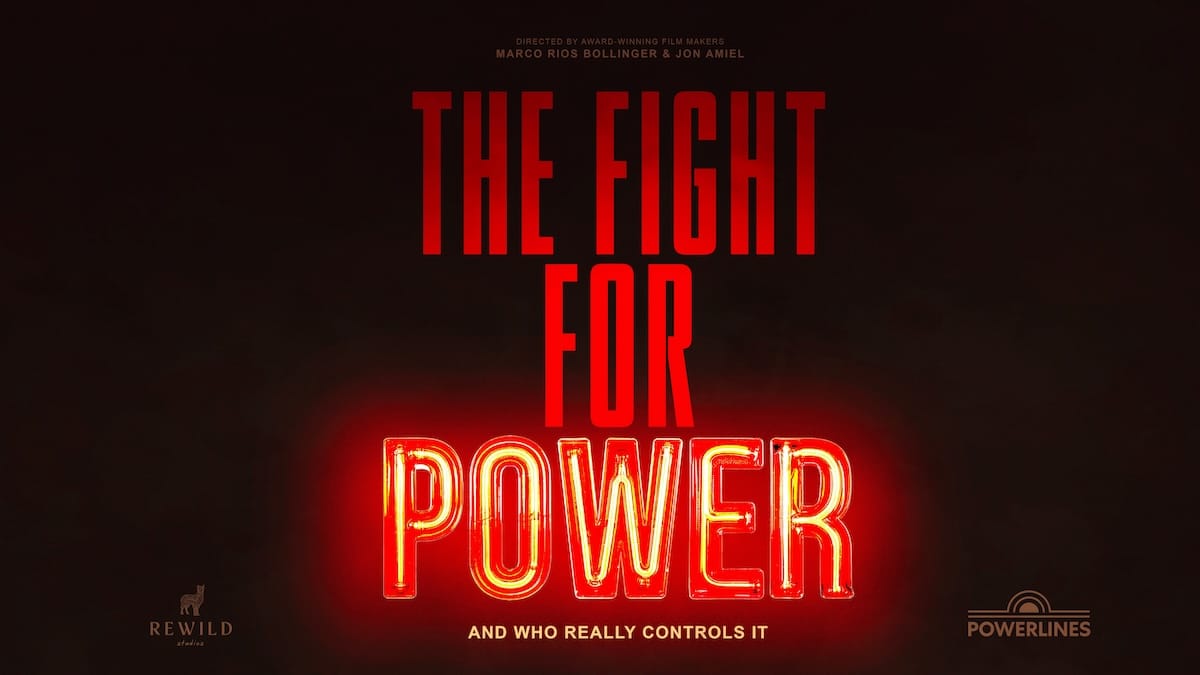
The Fight For Power challenges viewers to see that energy costs, corporate influence, regulatory systems, and democratic power are deeply intertwined.
It reframes utility bills as not just economic line items, but as a window into how power actually works (or doesn’t) in everyday American life — especially at a moment when voters are asking, “Who is this system built for?” and when governors, legislatures, and utility regulators are making decisions that will shape communities far beyond a single election.
This Sundance, you’ll have the chance to experience a first look at the film’s sizzle — and to sit with other creators, funders, civic leaders, and artists wrestling with these questions at Power House, a warm and intentional gathering hosted by Powerlines.org just steps from Main Street.
Over hot food and drinks, these conversations go beyond festival noise into how stories truly intersect with democratic life, citizen power, depolarization, and collaborative problem-solving.
The Fight For Power isn’t just a film to watch, it’s a lens on what’s at stake for communities, for accountability, and for civic engagement in 2026 and beyond.
To watch the sizzle and be part of this Sundance experience, RSVP at www.thefightforpowerfilm.com