
16 Environmental Justice Examples, Issues and Actions
Environmental justice examples and issues for 2026: what the movement fights for, 16 concrete cases, and how companies and communities respond.
Key takeaways
- Environmental justice means fair treatment and meaningful involvement for every community in environmental decisions, not just pollution cleanup after the fact.
- The strongest examples pair a clear harm (toxics, flooding, air quality, siting) with organized community response and policy change.
- Businesses that take this seriously publish impacts by place, avoid dumping risk on low-income neighborhoods, and partner with local groups.
- Use this list with climate haven caveats: moving out of risk is not the same as fixing who bears that risk.
Enjoying this? Get the next one.
We send one email each Monday with what just published on Causeartist.
Free. Unsubscribe anytime.
Flint Water Crisis
The Flint, Michigan, water crisis is a well-known example, where predominantly low-income African American residents were exposed to lead-contaminated water due to decisions made by government officials.
Industrial Pollution in Low-Income Communities
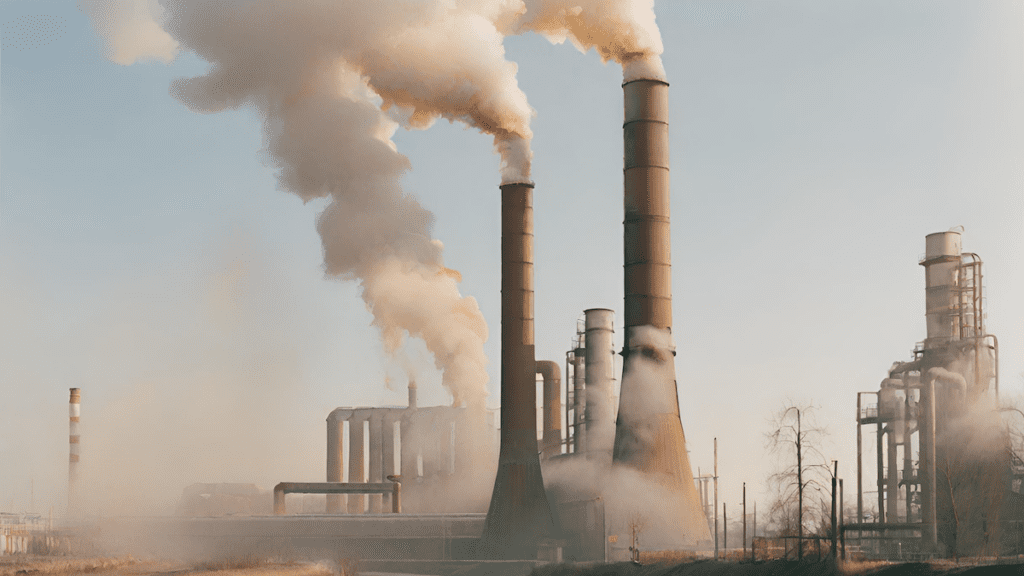
Situating polluting industries in or near low-income communities can lead to unequal exposure to toxic substances and air pollution, which can have severe health effects.
Example – The South Bronx in New York City is an example where multiple polluting industries, heavy traffic and power plants, are located near low-income communities, leading to elevated air pollution and health problems for residents.
Hazardous Waste Dumpsites
The unequal placement of hazardous waste disposal sites in disadvantaged neighborhoods, often leading to contamination and health risks for the residents.
Example – The community of Altgeld Gardens in Chicago, Illinois, was exposed to contamination from a nearby landfill and industrial sites, which resulted in health concerns and prompted environmental justice activism.
Air Quality Disparities
Poor air quality in certain urban areas disproportionately affects low-income communities, leading to higher rates of respiratory diseases and other health issues.
Example – The San Joaquin Valley in California experiences poor air quality due to agricultural and industrial emissions, which disproportionately affects low-income and predominantly Hispanic communities, leading to high rates of asthma and respiratory issues.
Access to Clean Water
Many marginalized communities lack access to clean and safe drinking water, particularly in rural areas and on tribal lands.
Exmaple – The water crisis in the Navajo Nation, particularly in places like Cameron, Arizona, highlights the lack of access to clean and safe drinking water in tribal lands due to historical contamination and infrastructure challenges.
Climate Change Vulnerability
Low-income communities and communities of color are often more vulnerable to the impacts of climate change, such as extreme weather events and rising sea levels.
Example – After Hurricane Katrina, low-income neighborhoods, like the Lower Ninth Ward in New Orleans, faced severe flooding and limited recovery resources, demonstrating the disproportionate vulnerability to extreme weather events.
Toxic Chemical Exposure
Some communities face higher risks of exposure to toxic chemicals due to factors like proximity to industrial facilities, leading to adverse health outcomes.
Example – In East Chicago, Indiana, residents living near a lead smelting plant and a Superfund site faced high lead exposure, leading to health issues and prompting environmental justice advocacy.
Access to Green Spaces

Unequal access to parks and green spaces can impact physical and mental health, as these spaces often provide opportunities for exercise and relaxation.
Example – Most low-income and urban areas have no or limited access to parks and green spaces, which can impact residents’ physical and mental well-being.
Environmental Decision-Making
Lack of inclusion of marginalized communities in environmental decision-making processes can result in policies and regulations that do not adequately address their unique concerns.
Example – The Dakota Access Pipeline protests, led by the Standing Rock Sioux Tribe, demonstrated the lack of meaningful involvement of Indigenous communities in the decision-making process regarding the pipeline’s route and its potential environmental impact.
Food Deserts
Low-income neighborhoods often lack access to affordable, nutritious food, leading to higher rates of diet-related health issues.
Example – Several neighborhoods in Detroit, MI, especially in low-income areas, face challenges accessing affordable and nutritious food.
In many parts of the city, residents have limited access to full-service grocery stores that provide fresh fruits, vegetables, and other healthy food options.
Instead, they rely on convenience stores or fast-food outlets for their groceries, which typically offer limited choices in terms of fresh and nutritious items.
This lack of access to healthy food can contribute to a range of diet-related health issues, including obesity, diabetes, and heart disease.
Pesticide Exposure
Farmworkers, often from disadvantaged communities, can be exposed to harmful pesticides, leading to adverse health effects.
Example – In California’s Central Valley, farmworkers, many of whom are from disadvantaged communities, face exposure to harmful pesticides while working in agricultural fields, leading to adverse health effects and conditions such as pesticide poisoning.
Lead Paint and Childhood Lead Poisoning
Lead-based paint in older homes, especially in low-income areas, can lead to lead poisoning in children.
Example – In cities like Baltimore, Maryland, and Cleveland, Ohio, older homes with lead-based paint, often found in low-income areas, have contributed to childhood lead poisoning, impacting the long-term health and development of affected children.
Environmental Education
Lack of access to quality environmental education and resources can limit awareness and engagement in environmental issues among marginalized communities.
Example – Many communities in America have limited access to environmental education, resulting in reduced awareness of the environmental issues surrounding their local region.
Pipeline Construction and Indigenous Rights
The construction of pipelines can infringe on the land and rights of Indigenous communities, as seen in cases like the Dakota Access Pipeline.
Example – The construction of the Dakota Access Pipeline in North Dakota brought attention to the violation of indigenous rights, with the Standing Rock Sioux Tribe protesting the pipeline’s potential impact on their land and water sources.
Mining and Indigenous Lands
Mining operations can lead to pollution and disruption of Indigenous lands and communities, affecting their cultural and environmental heritage.
Example – In Western Australia, the expansion of mining operations in the Pilbara region has raised concerns about its environmental impact on Indigenous lands and cultural heritage.
Access to Legal Resources
Low-income and marginalized communities often lack the legal resources needed to fight environmental injustices in court or through advocacy.
Example – Low-income communities in areas like Flint, Michigan, faced challenges in obtaining legal resources to address the Flint water crisis and seek justice for the health impacts of lead-contaminated water.
Related justice, climate, and accountability reading
FAQ
What are environmental justice examples?
Common examples include fighting toxic waste siting in majority-Black neighborhoods, reducing diesel pollution near ports and highways, securing clean water after contamination crises, and stopping industrial facilities from being concentrated in low-income communities.
What are environmental justice issues?
Core issues include unequal exposure to pollution, lack of access to parks and clean water, weak enforcement in marginalized communities, and exclusion from the decisions that create those burdens.
How is environmental justice different from climate havens?
Climate haven lists ask where people might face fewer climate hazards. Environmental justice asks who already bears the worst burdens and how to fix that. The two topics overlap when disasters hit the same neighborhoods hardest.
Related Articles
View all articles
Photo credit: Modern Mill, modified by Causeartist
Get the Monday roundup
New companies, funders, stories, podcasts, and case studies. One email a week.
Join 25,000+ Causeartists
Free. Unsubscribe anytime.