
Support
Favicon of Help build the infrastructure of the impact economy.
Help build the infrastructure of the impact economy.
Support

Responsible Nike Alternatives

Looking for better options than Nike? We've grouped brands such as Allbirds, Veja, Cariuma, and Saola, among others—mission-led founders building categories around lower-impact materials, fairer sourcing, and less extractive models than mainstream mass-market norms.

These labels are useful when you care about credible materials, equitable supply chains, and brands that invite scrutiny rather than burying footprints behind vague slogans.

Nike logo

Nike

Explore responsible alternatives to Nike for sneakers, activewear, and everyday footwear.
Visit Nike
  1. Comfortable footwear and apparel made from natural materials with a focus on lowering carbon emissions.
    Allbirds preview

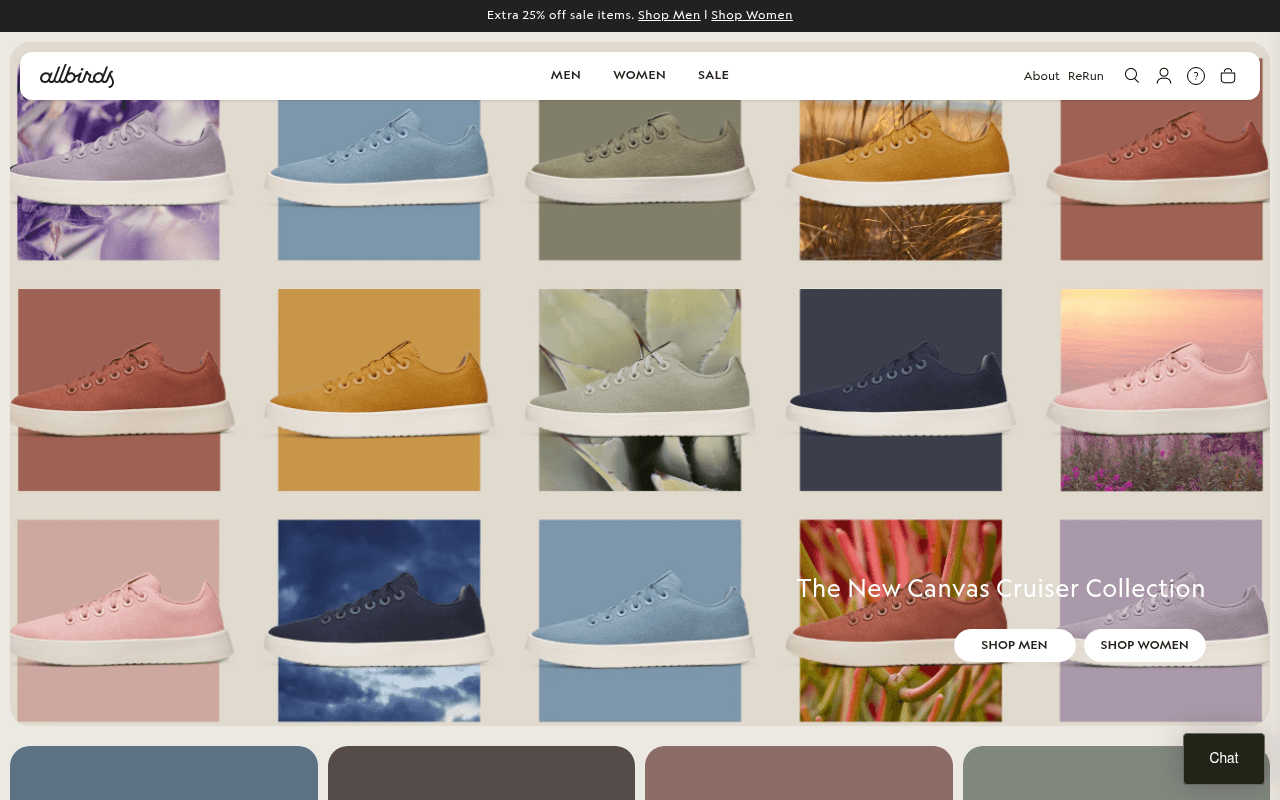
    Allbirds is a sustainable footwear and apparel company known for creating products from natural and renewable materials such as merino wool, eucalyptus tree fiber, and sugarcane-based foam. Founded in New Zealand and headquartered in the United States, the company has become one of the most recognizable brands in sustainable consumer products. Its product lineup includes sneakers, running shoes, casual footwear, apparel, and accessories designed to deliver comfort while reducing environmental impact. Allbirds pioneered carbon footprint labeling on products, allowing customers to understand the emissions associated with each purchase. The company is helping reshape the footwear industry by demonstrating that high-performance products can be created using renewable materials rather than traditional petroleum-based inputs. Through investments in regenerative agriculture, material innovation, and carbon reduction initiatives, Allbirds aims to help move the fashion industry toward a lower-carbon future.

  2. Sustainable sneaker brand creating footwear with organic, recycled, and fairly sourced materials.

    Veja preview

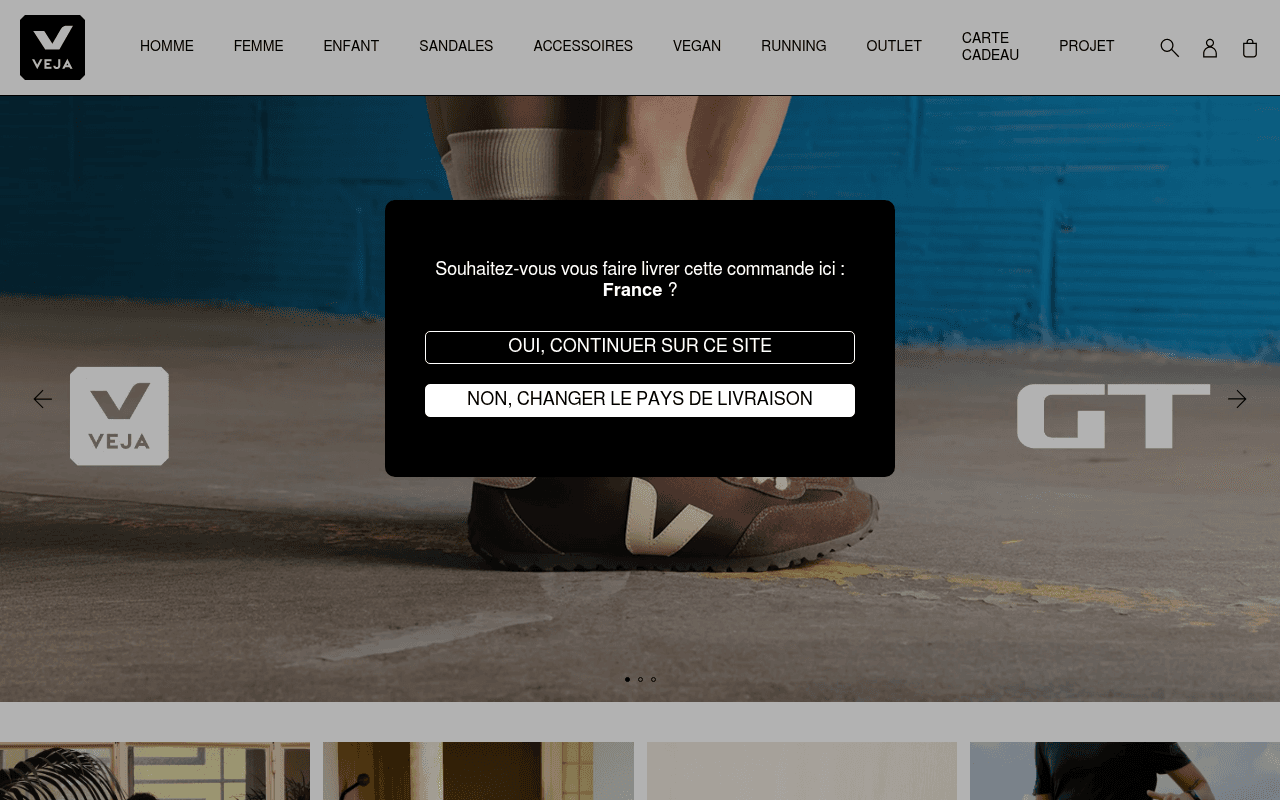
    Veja is a French sneaker brand focused on sustainable footwear made with organic cotton, natural Amazonian rubber, recycled materials, and ethically sourced components. Founded in 2004, the company helped pioneer transparency and sustainability within the global sneaker industry. Veja works directly with smallholder farmers and cooperatives in Brazil and other regions to source raw materials while emphasizing fair trade practices and lower-impact manufacturing. The brand has become widely recognized for combining minimalist design with responsible production systems that challenge conventional sneaker supply chains.

  3. Skate-inspired sneakers with a sustainability-first approach.

    Cariuma preview

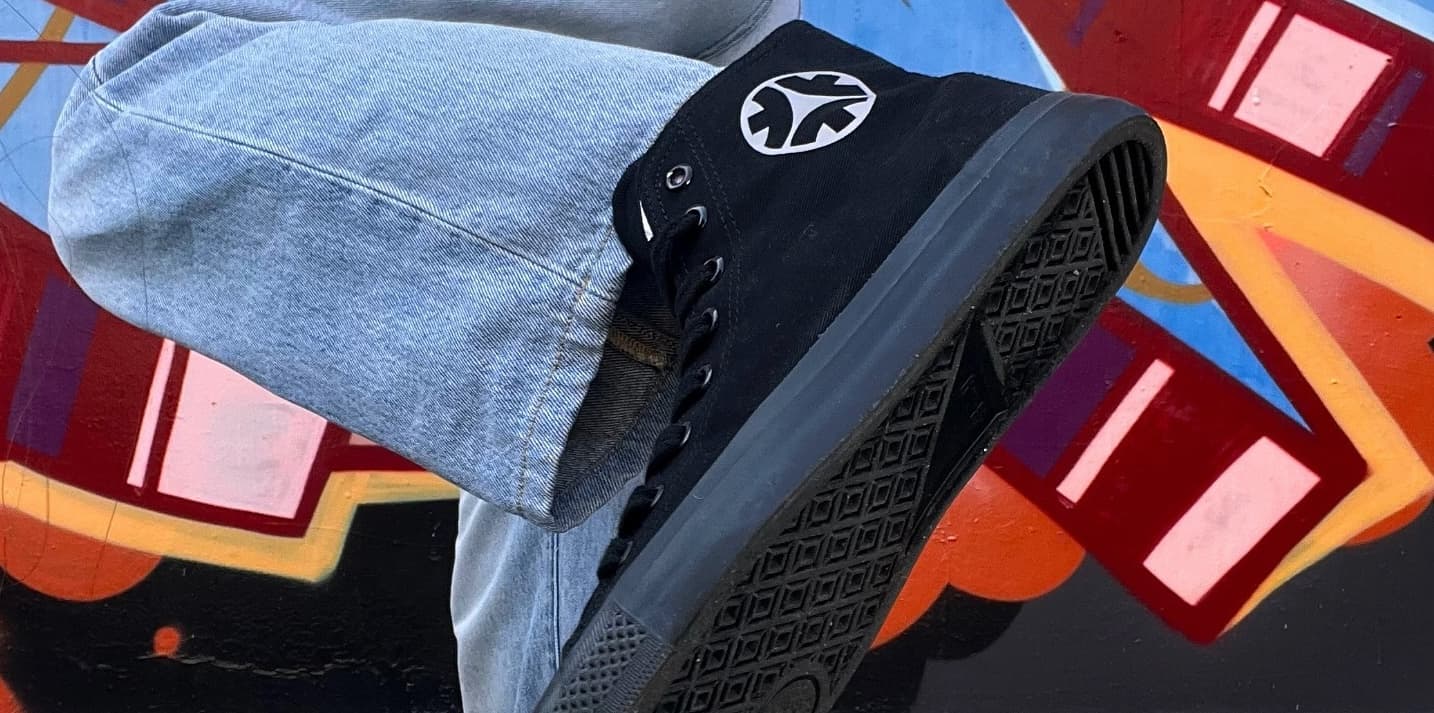
    Cariuma is a sustainable footwear company that specializes in creating environmentally conscious sneakers. Their products are made from organic materials including organic canvas, leather, and suede, with a focus on comfort and style in neutral colors like white, black, and grey. While the specific founding story is not detailed in the available content, Cariuma appears to have been established with a mission to create sustainable footwear alternatives. The company has built a community of customers who value both style and environmental responsibility in their footwear choices. Cariuma's impact lies in their commitment to sustainable manufacturing practices and the use of organic materials in footwear production. By choosing organic canvas, leather, and suede, they offer consumers an alternative to conventional sneakers that typically use synthetic or non-sustainable materials. Their approach demonstrates that fashion and environmental consciousness can coexist, providing consumers with comfortable, stylish footwear options that align with sustainable values.

  4. Lightweight shoes made with recycled and bio-based materials.

    Saola preview

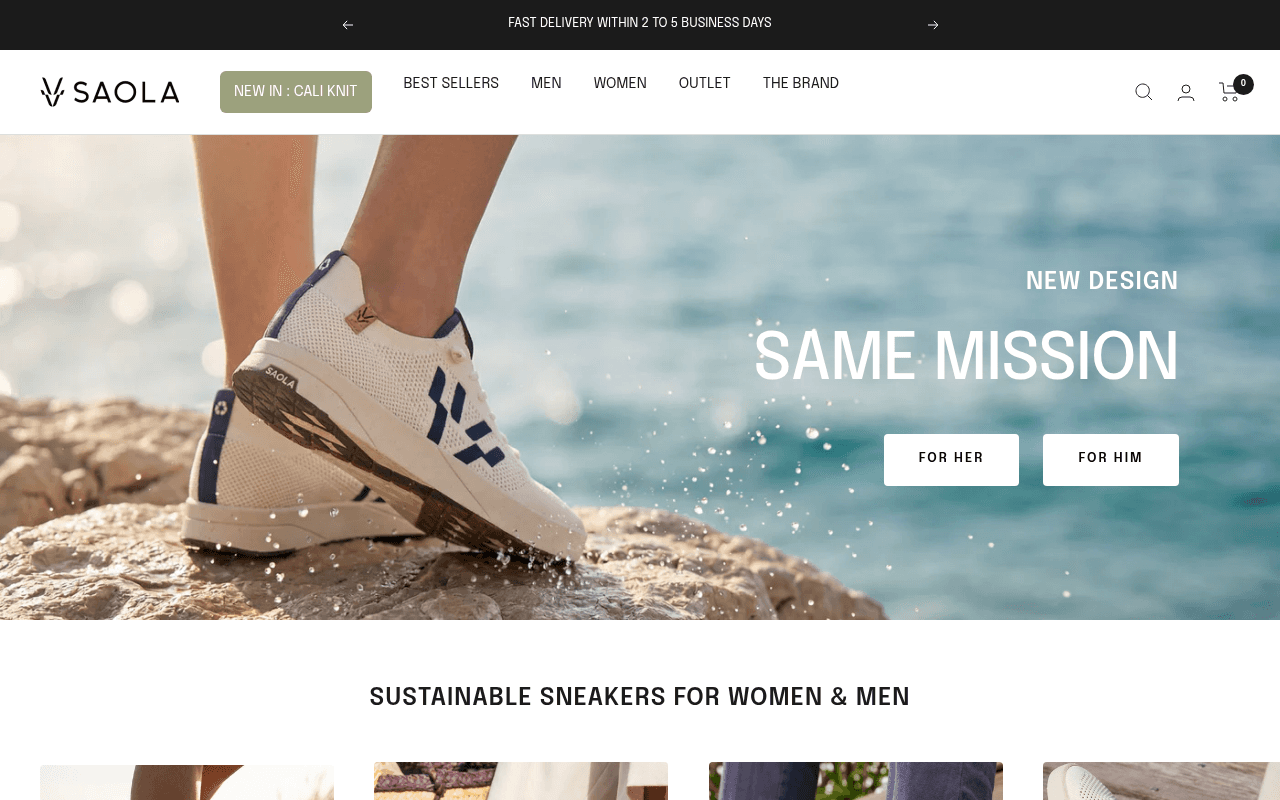
    Saola is a sustainable footwear company that creates eco-friendly shoes for both men and women. Their product line includes casual sneakers, slip-on shoes, waterproof options, and wool footwear, all crafted with recycled and bio-sourced materials to minimize environmental impact. The company operates under the philosophy of "BIG LIFE, small footprint," believing that style and sustainability can coexist. Saola is committed to proving that consumers don't have to sacrifice fashion or quality to make environmentally conscious choices in their footwear. Saola matters because they're addressing the environmental impact of the fashion industry, specifically footwear manufacturing, by using sustainable materials and eco-designed production processes. Their focus on wildlife conservation and sustainable manufacturing demonstrates a holistic approach to environmental responsibility that extends beyond just creating products to actively protecting the planet.

  5. Performance trail footwear engineered for durability and low waste.

    Norda preview

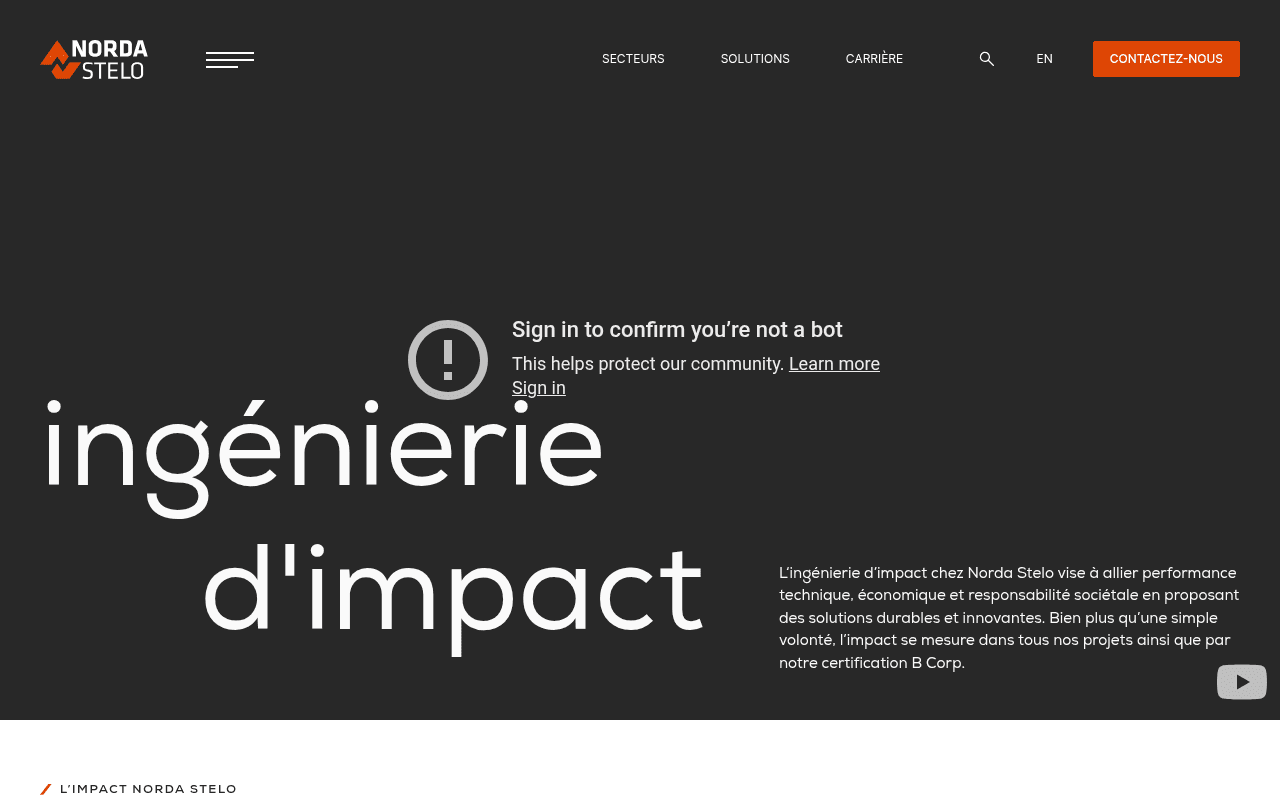
    Norda Stelo is an impact engineering firm that provides sustainable and innovative solutions for their partners, communities, and the planet. They offer comprehensive engineering services across multiple sectors including sustainable communities, energy, railway, industrial and manufacturing, mining and metallurgy, port, and road infrastructure. Their solutions encompass environment, climate change and decarbonization, asset management, engineering, vehicle-grid integration, materials handling, and optimization, automation and robotics. The company positions itself as more than just a traditional engineering firm by integrating impact measurement into all their projects and maintaining B Corp certification. Their mission centers on combining technical performance, economic efficiency, and social responsibility to deliver lasting value. They emphasize that impact engineering goes beyond simple intentions and requires measurable outcomes. Norda Stelo matters because they're addressing critical infrastructure challenges while prioritizing sustainability and social impact. Their B Corp certification demonstrates their commitment to balancing profit with purpose, ensuring their engineering solutions benefit not just clients but also communities and the environment. Through strategic partnerships like their collaboration with Fives for robotic solutions in the aluminum industry, they're expanding their international reach and influence in creating more sustainable industrial processes.

  6. Ethical fashion and footwear committed to fair wages, sustainability, and transparency.

    Etiko preview

    Photo credit: Etiko

    Etiko is an Australian ethical fashion brand creating footwear, clothing, and underwear designed around fair trade, living wages, and environmental sustainability. The company focuses on building a transparent supply chain that prioritizes workers, farmers, and the planet over fast-fashion production models. Etiko produces sneakers, apparel, underwear, and accessories using certified organic and Fairtrade materials while ensuring workers throughout their supply chain receive fair pay, safe working conditions, medical support, and long-term labor protections. The company positions itself as a fashion brand helping consumers “shop their values” through ethical purchasing decisions. Etiko creates impact by challenging exploitative fashion industry practices and demonstrating that apparel can be produced responsibly without sweatshops, child labor, or environmentally harmful manufacturing systems. Through supply chain transparency, take-back programs, tree planting initiatives, and social enterprise certification, the company advances a more circular and equitable fashion economy.

  7. Vintage-inspired denim designed with sustainability in mind.

    Boyish Jeans preview

    Photo credit: Boyish Jeans

    Boyish Jeans is a sustainable denim label creating women’s jeans and apparel using recycled fabrics, low-impact washes, and cruelty-free materials. The brand combines modern fits with vintage aesthetics while emphasizing environmentally responsible production. Boyish focuses on reducing water use, chemical inputs, and waste across its supply chain. The company positions itself as a lower-impact alternative to conventional denim manufacturing.

Why these alternatives?

The industry has moved beyond the era of legacy incumbents. While global giants often struggle with the inertia of massive supply chains, these alternatives are built from the ground up to prioritize three specific pillars:

  • Credible Innovation: We select brands using bio-based materials such as algae foam and wild rubber rather than standard synthetics.
  • Category Relevance: These are high-performance tools designed to compete with or even outperform mainstream industry standards.
  • Mission Alignment: Every brand on this list is chosen for its transparency. This ensures your investment supports a circular and responsible future for fashion.

Traditional Alternatives

Browse all alternatives