
How Gross Labs Is Building a New Model for Culture, Capital, and Impact
Episode 95Through Gross Labs and Gross Labs Foundation, entrepreneur and investor Nick Gross is building an integrated platform that combines venture investing, business creation, cultural relevance, and philanthropy.
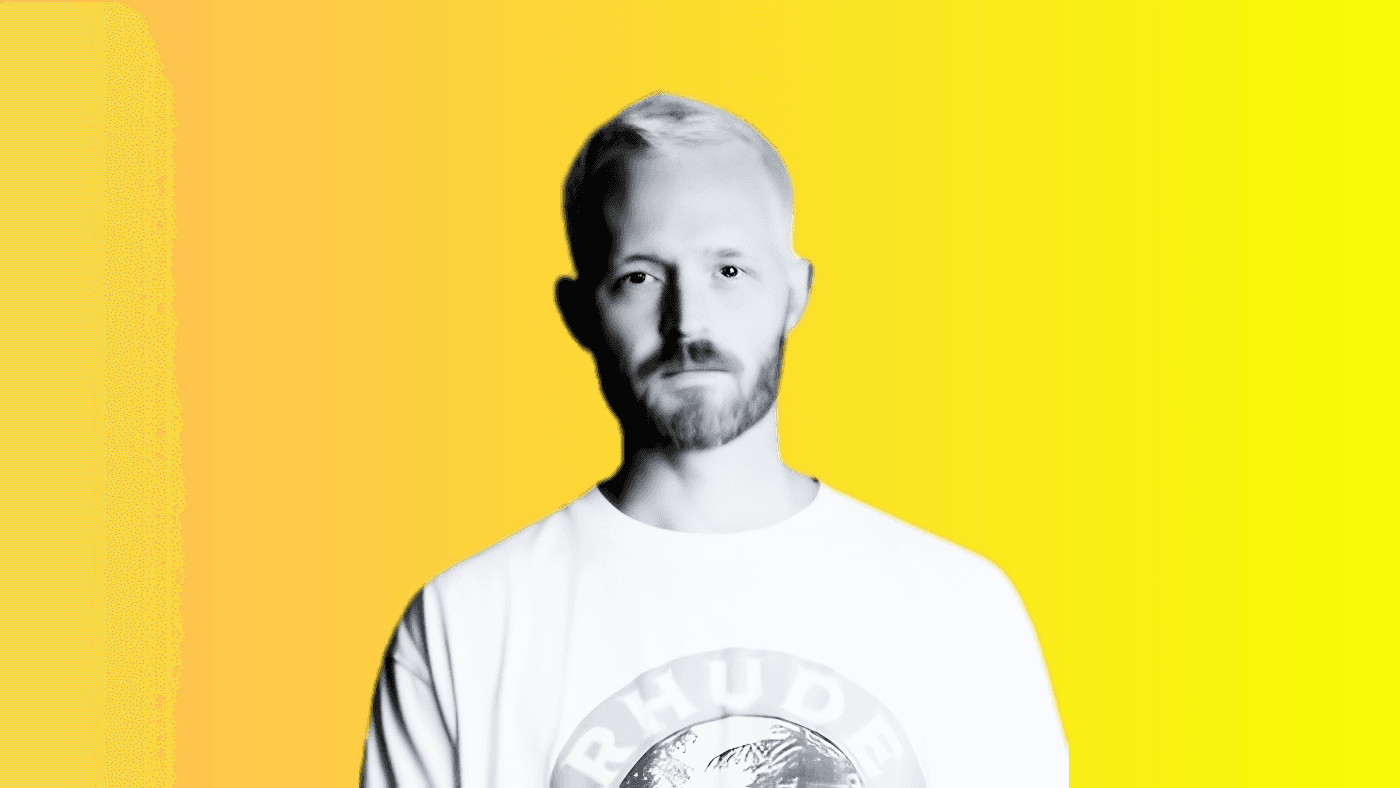
Photo credit: Gross Labs, modified by Causeartist
Nick Gross does not describe Gross Labs as a traditional family office.
To him, it is a family enterprise and cultural investment platform, one designed to actively build businesses, support founders, shape cultural moments, and create measurable social impact.
That distinction matters.
While many family offices focus on passive investments and wealth management, Gross Labs operates more like a combination of a venture studio, investment firm, brand platform, and philanthropic organization. Its portfolio spans education, sports, media, entertainment, hospitality, wellness, and other sectors influencing how people live, work, and participate in culture.
At the center of this model is a simple question:
How can an investment, operating company, or philanthropic initiative benefit from the entire Gross Labs ecosystem?
That question has helped Gross and his team develop an approach where capital, operating expertise, relationships, brand development, and impact initiatives reinforce one another.
From Musician to Entrepreneur and Investor
Gross’ entrepreneurial journey began with music.
At 18 years old, while still in high school, he signed a record deal with Sony Epic Records. Music was his primary passion, and the experience introduced him to the commitment, creativity, and uncertainty required to build a career from the ground up.
At 20, he opened a recording studio in Los Angeles. The business eventually became the Noise Nest, a five studio music campus that continues to operate today.
Through the music industry, Gross began meeting artists, athletes, entrepreneurs, and emerging founders. Those relationships led to small investments in friends and family rounds for companies he found interesting.
The early investments did not always work, but the mistakes became part of his education.
That creator mindset made it easier for him to understand founders. Like musicians, founders often begin with an idea, limited resources, and no guarantee that the market will respond.
Gross also studied how other creators used their platforms to build businesses beyond their original careers. He points to people such as Travis Barker and Rob Dyrdek, who expanded their influence across brands, media, entertainment, and consumer products.
The appeal was not simply diversification. It was the ability to build multiple connected ventures under one platform.
That idea eventually became central to Gross Labs.
Building a Family Enterprise, Not a Traditional Family Office
Gross Labs is intentionally designed to feel different from the traditional family office model.
Many family offices operate quietly, manage wealth, and make investments from behind the scenes. Gross wanted to build something more visible, relevant, and useful to founders.
“I never even really like to consider Gross Labs a family office,” he said. “To me it’s more of this family enterprise model.”
The enterprise approach means remaining active alongside founders rather than simply providing capital.
Gross describes this as bringing “partner equity” to the relationship. Gross Labs may contribute brand strategy, operating support, industry relationships, distribution, content, marketing, or access to other companies within its ecosystem.
Capital is important, but it is only one part of the value Gross Labs aims to provide.
For founders, this approach can be especially valuable. Raising money creates new responsibilities, expectations, and pressure. Having an investor that can help build the company after the check is written can be more useful than capital alone.
Gross believes this active approach also helps Gross Labs differentiate itself in a competitive investment market.
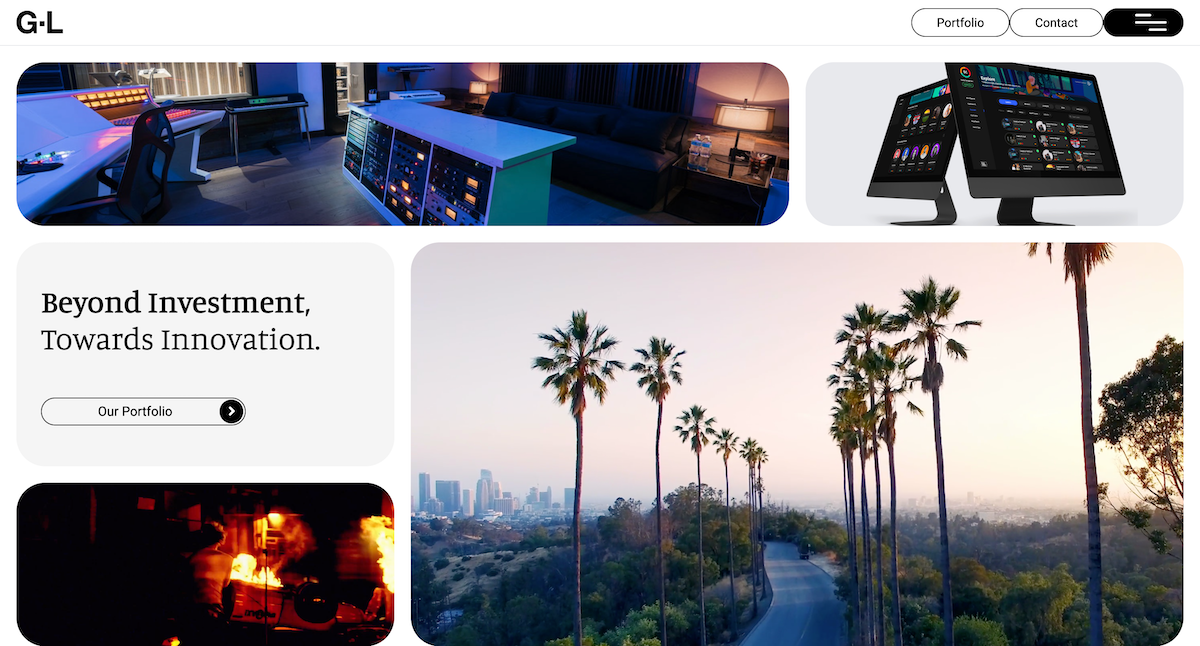
Why Brand Matters in Investing
Brand is another important part of the Gross Labs strategy.
Family offices and investment firms are not always treated as consumer facing brands, but Gross believes they should think more intentionally about how they present themselves.
“Brand is everything,” he said. “It’s how we relate to how something makes us feel.”
The Gross Labs identity is meant to reflect Southern California, creativity, sports, music, and the culture that shaped Gross personally.
This branding is not purely aesthetic. It communicates the types of founders, businesses, and opportunities the platform wants to attract.
A strong brand can also signal care and attention. When an investment platform clearly communicates what it believes, how it operates, and what it brings to the table, founders can determine whether the relationship is aligned before the first meeting.
For Gross Labs, the brand communicates that the platform is active, modern, culturally aware, and interested in helping shape outcomes.
Investing in Cultural Relevance
Culture is one of the most important themes across Gross Labs.
Gross defines culture broadly as the ideas, platforms, and experiences pushing the world forward. Sports, music, media, entertainment, education, and consumer behavior all influence how people connect with one another.
Gross Labs looks for opportunities that sit near the center of these shifts.
Sports is one example.
The growth of sports technology, new leagues, digital media, fan experiences, and women’s sports is creating new ways for audiences to participate. These changes are not only producing investment opportunities. They are reshaping what sports can look like and who gets to participate.
Gross Labs has been involved with the Los Angeles Golf Club, which competes in TGL, the technology enabled golf league created by Tiger Woods and Rory McIlroy.
The investment reflects Gross’ approach to evaluating opportunities.
Rather than asking only whether the financial projections look attractive, Gross considers how an idea might be positioned to win before it launches.
In the case of TGL, the league had several early advantages, including elite athletes, national distribution through ESPN, and a new format that could reach younger audiences.
“How is an idea winning, and how is it going to win before it starts?” Gross said. “What are the different advantages and secret things that this founder is going to have that are different from anything else?”
This does not eliminate risk, but it provides a clearer framework for evaluating founders and emerging categories.
Find Your Grind and a New Approach to Career Readiness
Enjoying this? Get the next one.
We send one email each Monday with what just published on Causeartist.
Free. Unsubscribe anytime.
One of the strongest examples of Gross Labs’ culture driven approach is Find Your Grind, its education technology company focused on future readiness.
Find Your Grind provides curriculum, professional development, microcredentials, career exploration, and mental wellness tools for students.
The platform was built around the way young people actually think about their futures.
Traditional career assessments often begin by recommending specific jobs. Find Your Grind takes a different approach. Its lifestyle assessment asks students how they want to live, what they value, what interests them, and what kind of life they hope to create.
Students can then explore careers connected to broader identities such as creator, entrepreneur, or entertainer.
The goal is not simply to help students select a job title. It is to help them understand themselves and see a wider range of possibilities.
This approach is especially relevant in industries such as sports, where young people may initially imagine themselves becoming professional athletes.
The reality is that sports contains hundreds of additional career pathways, including operations, marketing, technology, media, scouting, coaching, finance, design, analytics, and representation.
By exposing students to the full ecosystem surrounding an industry, Find Your Grind can help them identify opportunities they may not have previously understood.
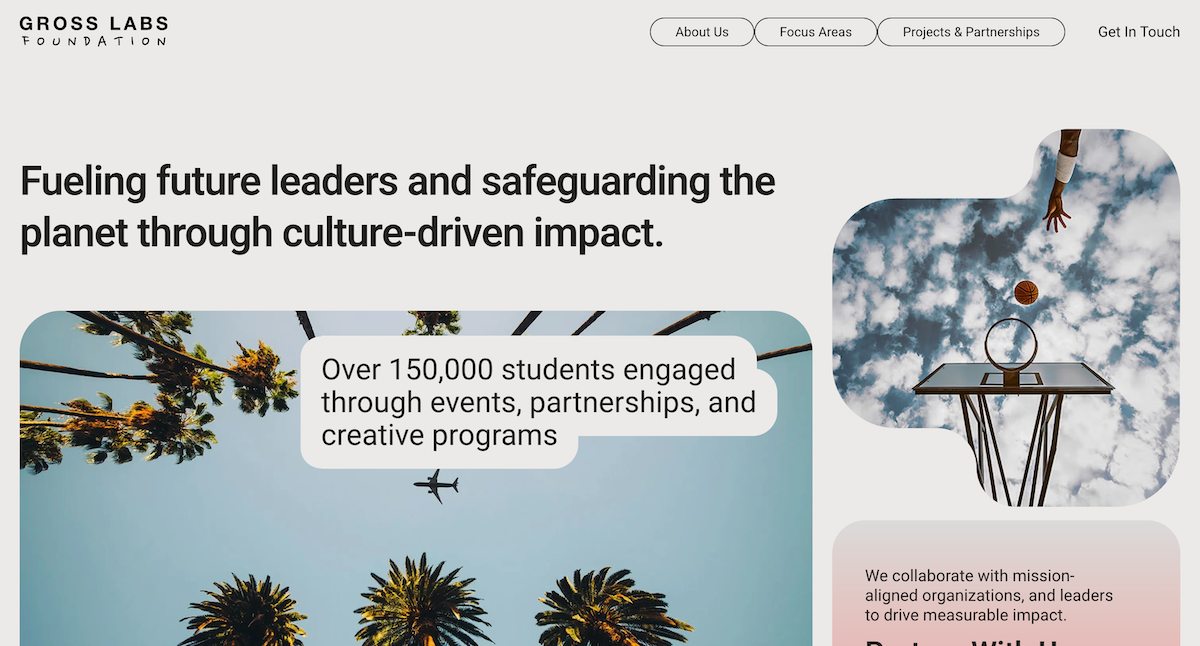
The Evolution of Gross Labs Foundation
The philanthropic work began through Find Your Grind Foundation.
Before Find Your Grind became a commercial education technology company, the foundation introduced young people to careers in music. Programs were hosted through Gross’ Los Angeles recording studio and developed alongside other nonprofit organizations.
As the broader Gross Labs platform expanded, the foundation’s scope needed to expand with it.
Gross Labs Foundation was created to support initiatives beyond education and workforce development. Its work can now connect with Gross Labs activities across sports, entertainment, wellness, hospitality, environmental stewardship, and other areas.
The foundation is not intended to operate as an isolated organization.
Instead, Gross wants it to become an integrated impact layer across the entire Gross Labs portfolio.
This allows the platform to ask how each company, partnership, or investment might create additional social value.
How the Gross Labs Ecosystem Works
The strongest illustration of this integrated model can be found in Gross Labs’ work across golf, education, and philanthropy.
Through its relationship with the TGR Foundation and the Tiger Woods Learning Lab in Anaheim, the Gross Labs Foundation helped rebuild physical learning spaces, including recording studios and media labs.
Find Your Grind technology was then introduced into the learning environment, giving students access to career readiness tools and educational content.
That relationship also created exposure to the broader golf ecosystem, which contributed to Gross Labs learning about TGL as an investment opportunity.
Gross Labs later invested in TGL and became involved with the Los Angeles Golf Club. An internal Gross Labs company now helps support the team’s brand, content, social media presence, and market development.
The platform has also launched a grant program intended to make golf more accessible to young people.
Each part of the ecosystem supports another:
The foundation creates educational and community impact.
The education company provides technology and curriculum.
The investment platform gains access to new opportunities.
The operating companies support brand development and growth.
The sports relationships create additional channels for philanthropy and youth engagement.
Gross describes this as a “three out of three” opportunity, where an initiative connects the investment, operating, and philanthropic sides of Gross Labs.
Not every opportunity will produce that level of alignment. However, the possibility of ecosystem integration remains part of the platform’s evaluation process.
Impact as a North Star
Gross Labs still measures business growth, investment returns, revenue, and portfolio performance.
However, Gross does not want those numbers to become the platform’s only measure of success.
He sees impact as a broader North Star.
That could mean helping a student discover a career pathway, making golf more accessible, building new learning environments, supporting mental wellness, or using a portfolio company to improve outcomes within a community.
“Let’s look at this impact side and look at the impact that we’re creating off of the investments we’re making, off of the companies we’re building, and off of the impact we’re having on the world,” Gross said.
This mindset does not require every investor to create a foundation or nonprofit organization.
Gross’ advice is to begin with authenticity.
Impact should reflect the interests, experiences, relationships, and values of the people building the platform. For Gross, youth development, purpose, creativity, sports, education, and access have been part of his life since the beginning of his career.
The foundation is not an external corporate responsibility program. It is an extension of the platform’s identity.
That authenticity is difficult to replicate, which is also what makes it valuable.
Lessons for Investors and Family Offices
The Gross Labs model offers several useful lessons for investors interested in building more integrated platforms.
First, investment firms can contribute more than money. Brand building, operating experience, distribution, relationships, and industry knowledge can all improve a company’s likelihood of success.
Second, impact does not have to remain separate from commercial activity. A thoughtful impact strategy can create stronger relationships, new market insights, founder access, and additional opportunities for collaboration.
Third, culture can be an investment lens. Understanding how younger audiences communicate, consume media, participate in sports, approach education, and define their identities can help investors identify emerging markets earlier.
Finally, impact should be authentic. Creating a foundation without a clear connection to the investment platform may produce disconnected programs and limited results. The strongest initiatives often grow directly from the capabilities and relationships that already exist.
Creating the Next Cultural Moment
Over the next several years, Gross wants Gross Labs to participate in culturally relevant moments that change how people think about sports, education, entertainment, and opportunity.
That might involve helping a new sports league reach the next generation, supporting a company that changes how students prepare for work, or creating pathways for young people to build businesses and careers they had never considered possible.
The ambition is not simply to own assets associated with culture.
It is to help shape the outcomes.
For Gross, that means measuring success in trophies, portfolio growth, student confidence, career awareness, community access, and lives changed.
Gross Labs is still evolving, but its model provides a compelling vision for what the next generation of family enterprises could become.
Not simply managers of capital, but active builders of companies, brands, relationships, cultural experiences, and impact.