
Every Airbnb Stay Will Now Help House People in Crisis
Episode 248Airbnb.org is connecting every completed Airbnb home stay to emergency housing support. Executive Director Christoph Gorder explains the new funding model, how free stays work, and the nonprofit’s goal of providing one million nights annually by 2030.

Photo credit: Airbnb.org, modified by Causeartist
Airbnb is building social impact directly into every home stay booked through its platform.
Under a new funding model announced in October 2026, Airbnb will contribute ten cents of its revenue from every completed home stay to Airbnb.org, the independent nonprofit that provides free temporary housing to people experiencing disasters, medical emergencies, displacement, and other crises.
Guests will not pay more, host payouts will not change, and neither group needs to opt in. The contribution comes directly from Airbnb’s revenue.
Together with additional funding and donations, the model is expected to provide $500 million to Airbnb.org over five years. The nonprofit aims to use that support to increase its annual impact from roughly 126,000 free nights provided in 2025 to one million nights per year by 2030.
For this episode of the Disruptors for Good podcast, Causeartist founder Grant Trahant spoke with Christoph Gorder, Executive Director of Airbnb.org.
Gorder previously spent more than a decade at charity: water, where he served as Chief Global Water Officer and helped expand the organization’s work across 22 countries. Before joining charity: water, he spent 14 years leading disaster response and international health programs at Americares.
In this conversation, Gorder explains why he left an organization he loved to lead Airbnb.org, how the new funding model works, why local nonprofits remain essential, and how access to temporary housing can restore a measure of control during an otherwise destabilizing moment.
The conversation also explores Airbnb.org’s expansion beyond disaster response into medical travel, resettlement, domestic violence support, and other situations where a safe place to stay can change the direction of someone’s life.
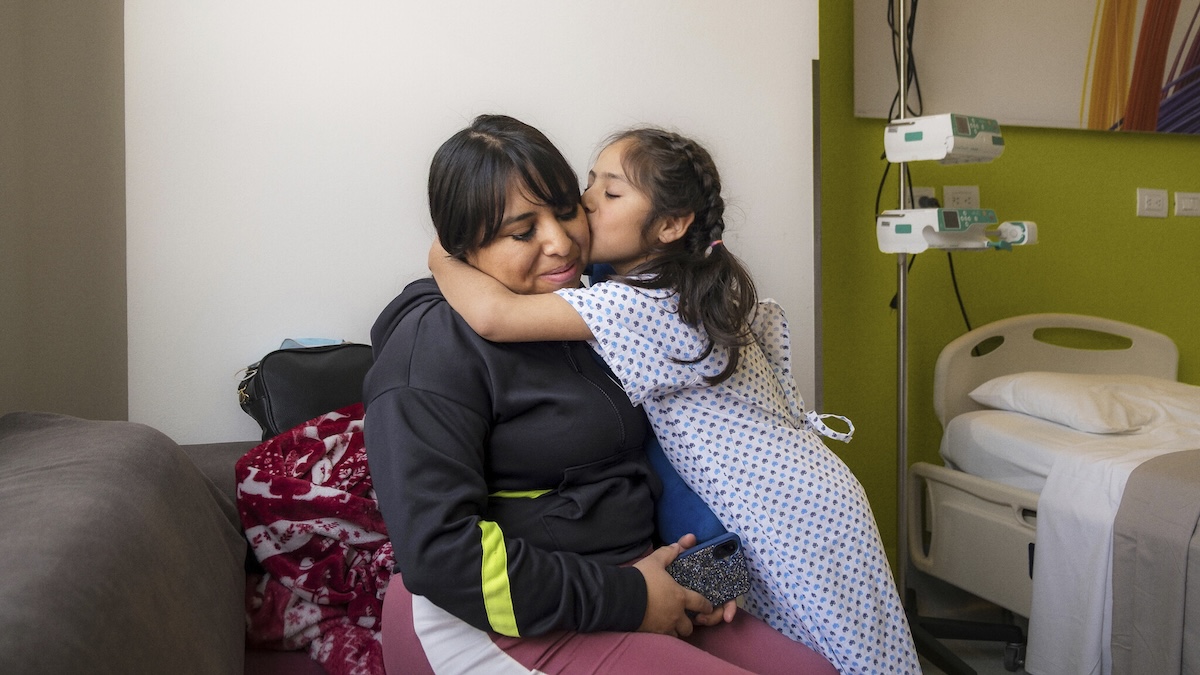
Photo provided by Airbnb.org - Airbnb.org Mexico Medical Stays
Airbnb.org began with a single act of generosity.
After Hurricane Sandy struck New York City in 2012, an Airbnb host offered her home for free to people displaced by the storm. More than one thousand hosts followed her example, revealing that Airbnb’s platform could serve a purpose beyond travel.
That initiative eventually became Airbnb.org, an independent nonprofit established in 2020. Since then, the organization has provided more than 1.6 million free nights to over 250,000 people in nearly 140 countries.
The organization works through local nonprofits and government agencies that identify people who need temporary housing. Airbnb.org then provides credits that allow eligible guests to select a home through Airbnb based on their particular needs.
Families can look for accessible accommodations, pet friendly homes, properties near a hospital, or enough space to stay together. Hosts receive payment for the stay, although some choose to offer discounts or donate a portion of their earnings.
Airbnb covers Airbnb.org’s operating expenses, allowing all public donations to directly fund free stays.
The new per stay funding model gives Airbnb.org something many nonprofits struggle to secure: a predictable source of recurring support connected to the growth of an established global platform.
About Christoph Gorder
Christoph Gorder is the Executive Director of Airbnb.org.
Before joining the organization in 2023, he spent more than a decade as Chief Global Water Officer at charity: water. In that role, he helped expand clean water programs across 22 countries and supported projects that brought clean water to millions of people.
Earlier in his career, Gorder spent 14 years at Americares, where he led disaster response operations and managed international health programs.
His career has focused on meeting essential human needs during moments of crisis, including access to healthcare, clean water, and temporary housing.
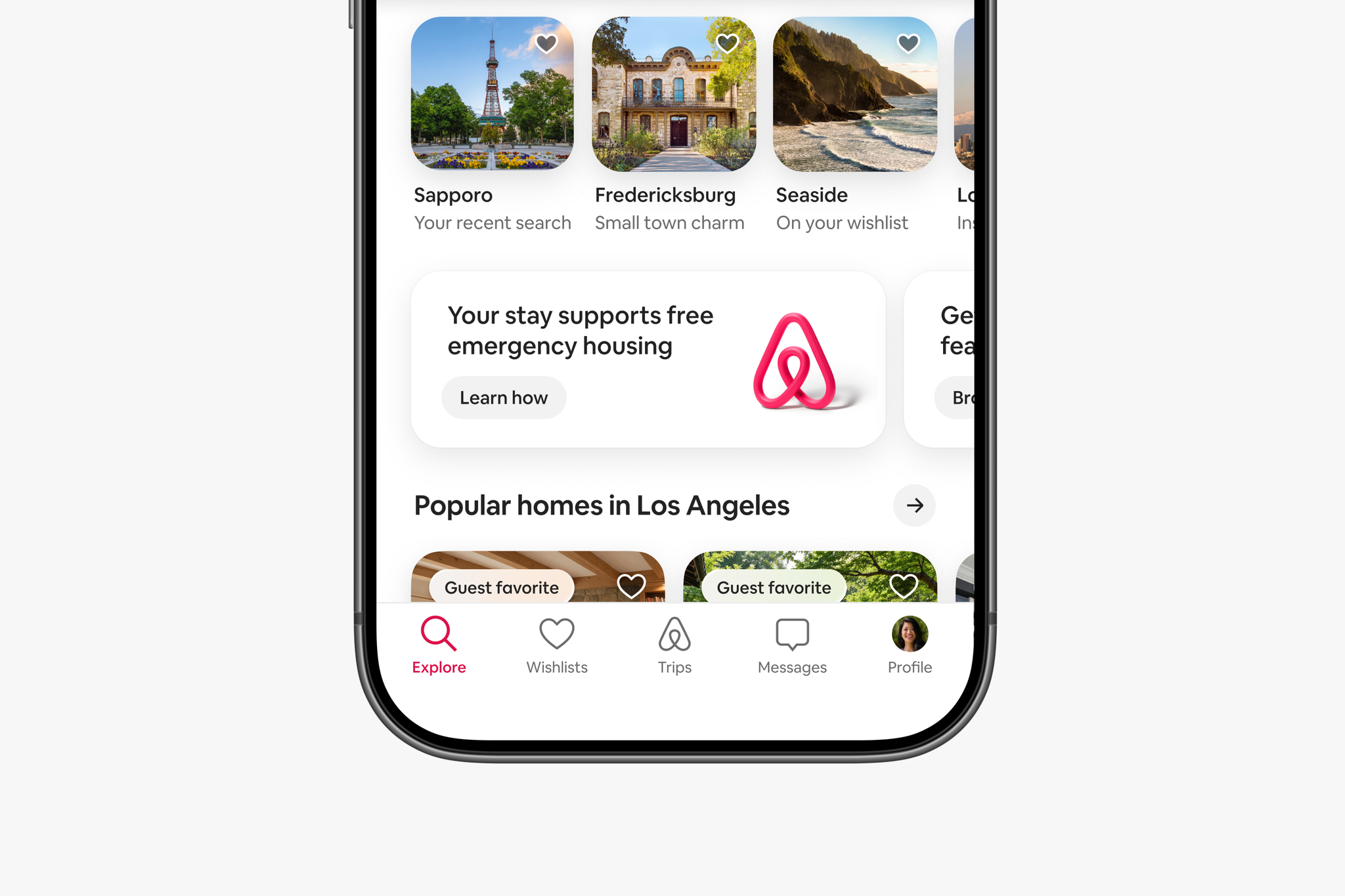
The Interview
This interview has been edited for length and clarity.
What attracted you to Airbnb.org after spending 11 years at charity: water?
I was happy at charity: water. I had built a great team, the organization was doing meaningful work, and I had a strong relationship with Scott Harrison and the leadership team. I was not looking for another opportunity when Airbnb.org contacted me.
As I learned more, two things captured my attention.
The first was the opportunity to unlock humanitarian value from an enormous existing platform. Airbnb had already built the technology, brand, global inventory, and community. The challenge was figuring out how to use those assets to help far more people during moments of crisis.
I thought of it as looking at a mountain that you know contains gold. The value is there, but extracting it, refining it, and turning it into something useful is difficult. I like difficult problems, and this felt like a problem worth solving.
The second factor was Airbnb’s commitment. Through conversations with Brian Chesky and the executive team, I saw that they wanted to use the product they had built to help people. They understood Airbnb.org as an important expression of the company’s values.
Nearly three years later, both of those things remain true.
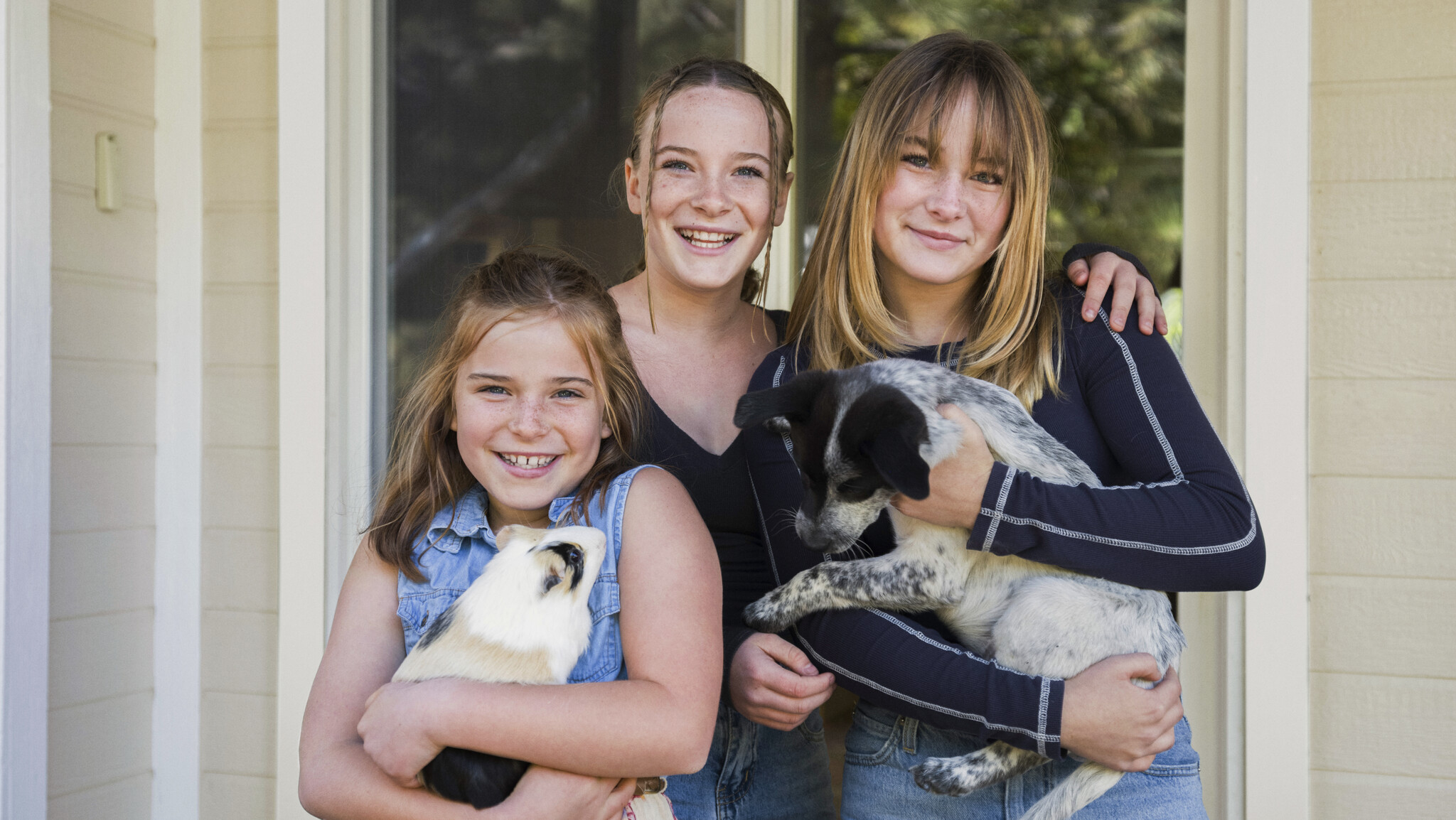
Photo: Airbnb.org Southern California fires response
How did Airbnb.org begin?
Christoph: The idea dates back to Hurricane Sandy in 2012.
A host contacted Airbnb and offered to open her home for free to a family displaced by the storm. Her offer inspired others, and more than one thousand hosts volunteered to help.
That was the first moment people recognized that Airbnb homes could serve a purpose beyond vacations and business travel. The platform could also provide temporary housing during an emergency.
The work continued as an internal Airbnb initiative for several years, largely supported by hosts who offered free or discounted stays.
When Airbnb prepared to become a public company in 2020, its founders wanted to establish this work more permanently. Airbnb.org was created as an independent nonprofit with its own board and humanitarian mission.
That structure is important. We are a public charity, and we can raise support from individuals and organizations outside Airbnb. At the same time, we can use Airbnb’s technology, inventory, and global host community.
What is changing under Airbnb’s new funding model?
Christoph: Every time someone completes a home stay booked through Airbnb, the company will donate ten cents of its revenue to Airbnb.org.
Guests do not need to opt in, and hosts do not need to take any action. The contribution does not increase what guests pay or reduce what hosts receive. It comes from Airbnb’s revenue.
Combined with additional support and donations, we expect the new model to provide $500 million to Airbnb.org over the next five years.
The financial scale is significant, but the predictability matters just as much.
One of the hardest parts of running a nonprofit is not knowing what the next year will bring. Teams can work until December 31 to meet their fundraising goals, then feel as if they are starting from zero again on January 1.
This model gives us a more sustainable foundation. We can plan, build partnerships, improve our systems, and prepare to help people before the next crisis occurs.
It also integrates Airbnb.org more deeply into the platform. Millions of individual stays can collectively create an enormous amount of humanitarian value.
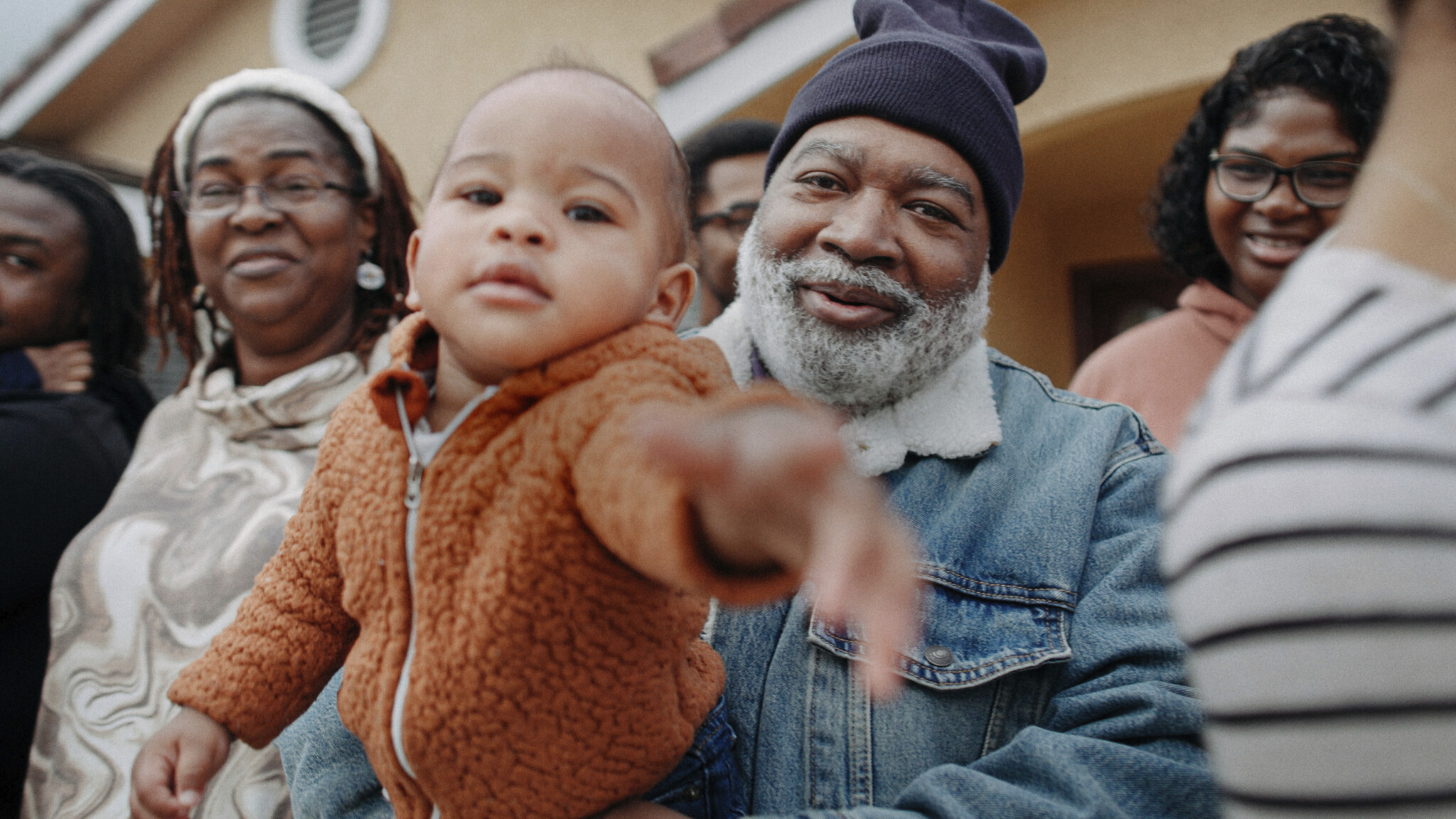
Photo: Airbnb.org LA Wildfires Response
How does someone receive a free stay through Airbnb.org?
Christoph: We work through local nonprofits and government agencies.
These organizations understand the situation on the ground. They know which families have been displaced, who needs immediate support, and what other services may be required.
Our partners identify eligible people and refer them to Airbnb.org. We then provide those individuals or families with credits in an Airbnb account.
The family can use those credits to book the home that best fits its needs. If they do not already have an Airbnb account, they can quickly create one.
This model gives people choice during a moment when they may have lost control over many parts of their lives.
A family may need an accessible property, space for children, permission to bring pets, or a location near a school, job, hospital, or extended family. Airbnb’s inventory allows people to choose the option that makes sense for their circumstances.
Why are local nonprofit and government partners so important?
Enjoying this? Get the next one.
We send one email each Monday with what just published on Causeartist.
Free. Unsubscribe anytime.
Christoph: Airbnb.org may have the housing platform, but we do not always know which families need help in a particular community.
A local nonprofit in Alabama, Malaysia, Italy, or Japan will understand the people affected and the services already available. It may be helping with transportation, food, mental health support, medical care, or case management.
Temporary housing becomes one part of a larger response.
When we first speak with a potential partner and explain that we can provide free emergency stays, the initial reaction is often skepticism. People ask what the catch is.
There is no catch. Our responsibility is to build trusted partnerships so that housing support can be delivered quickly and responsibly.
The first response with a new partner usually involves a learning curve. The second is easier. After several responses, the process becomes much smoother.
Our goal is to build a global network of nonprofit and government partners that is always ready when a crisis occurs.
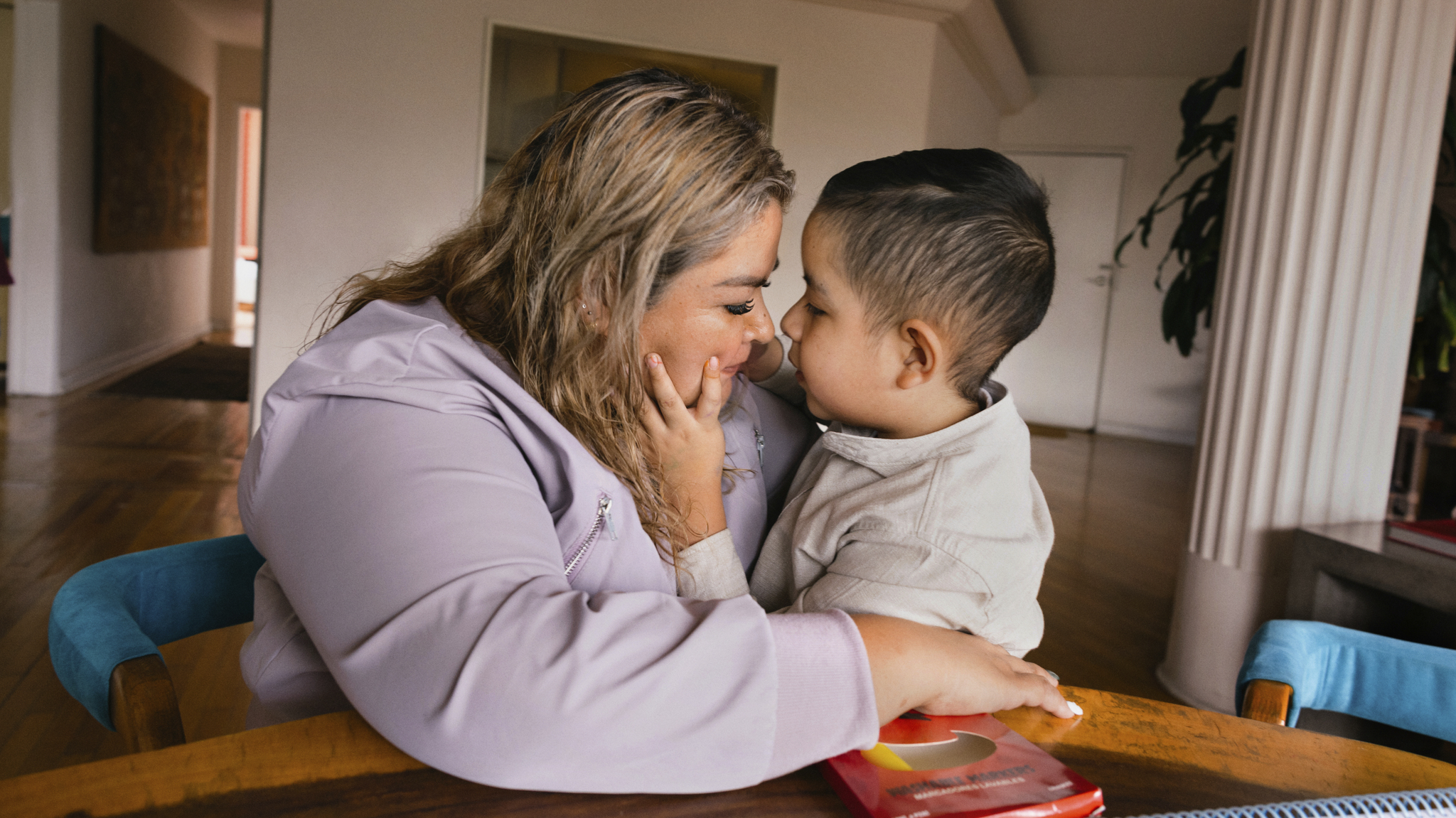
Photo: Airbnb.org Mexico Medical Stays
Is Airbnb.org focused only on major disasters?
Christoph: Major disasters remain an important part of our work, but they are not the only emergencies that displace people.
A small flood may force five families from their homes. An apartment building may be evacuated after a fire or gas explosion. A tornado may affect a rural community that receives little national attention.
Those events may not generate headlines, but the housing need is just as real for the people affected.
Our earlier strategy focused heavily on large disasters. We now believe that no disaster is too small.
Airbnb’s technology makes it possible to respond to many smaller emergencies, provided we have strong local partners. Airbnb.org responded to more than 200 disasters in 2026, compared with eight in 2023.
If one family needs temporary housing and one suitable Airbnb is available, we should do everything we can to connect them.
Is there enough housing inventory during a large emergency?
Christoph: Airbnb’s network is much larger than many people realize. The platform includes millions of listings around the world.
That inventory gives us the ability to help at a meaningful scale, although availability will always vary by location and circumstance.
There are places where Airbnb inventory is limited, and our model may not be the best solution in every community. Other humanitarian organizations may be better positioned to help in those situations.
Our distinct strength is access to Airbnb’s global network.
That can be especially valuable in rural communities where traditional hotels and shelters may be scarce. There may still be homes available nearby, allowing families to remain closer to their schools, jobs, relatives, and communities while they determine what comes next.
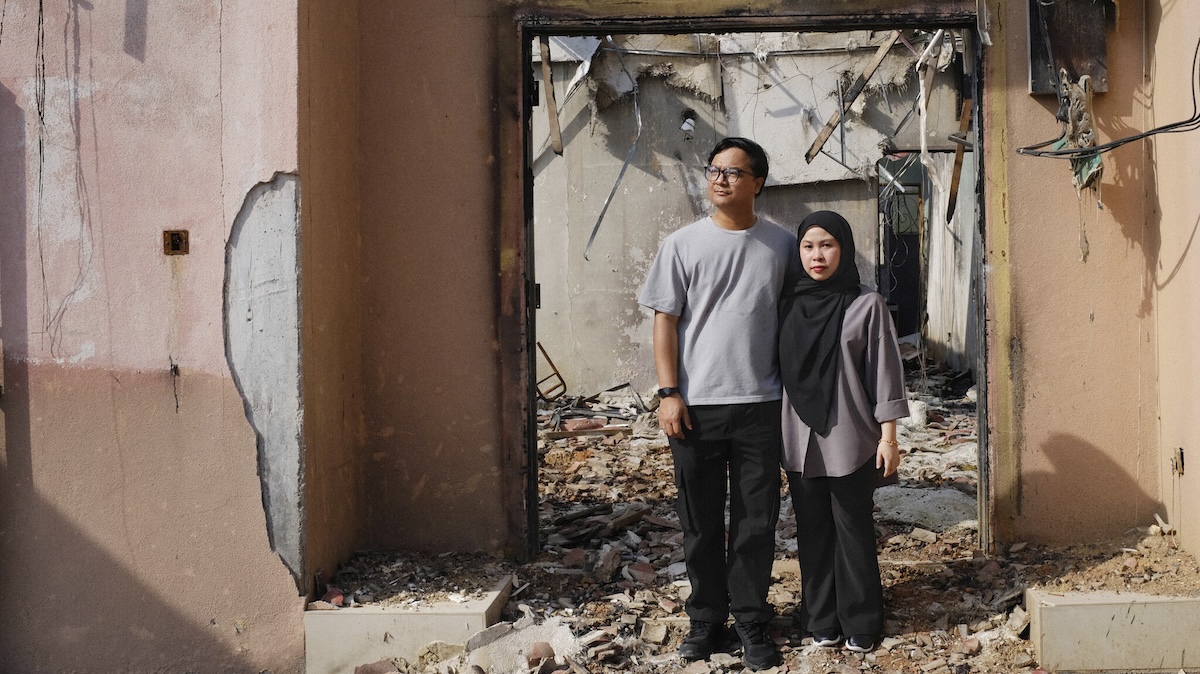
Photo: Airbnb.org Putra Heights, Malaysia Response
Why give families booking credits instead of assigning them a place to stay?
Christoph: Choice is central to the model.
Traditional emergency housing may provide a family with a voucher for a particular hotel. That can solve the immediate problem, but it may not account for the family’s specific needs.
Airbnb.org credits give people access to a wider range of options.
Someone using a wheelchair can search for an accessible property. A family with pets can find a home that accepts animals. Parents can stay near their children’s school, and someone receiving treatment can remain close to a hospital.
The goal is not merely to place someone under a roof. It is to provide a dignified temporary home that supports stability and recovery.
That sense of agency matters when someone has lost control over so much else.
How is Airbnb.org expanding beyond disaster response?
Christoph: Disaster response is part of our DNA, but temporary housing can address many other urgent needs.
We began exploring this more intentionally by looking at medical travel.
In many countries, specialized treatment is concentrated in major cities. A low income family may qualify for treatment through the public health system but still have no way to pay for accommodation near the hospital.
We launched an early medical stays program in Mexico after seeing families living in tents near a pediatric hospital in Mexico City. Their children were receiving cancer treatment, awaiting transplants, or undergoing other serious procedures, but the families lacked a safe place to stay.
Airbnb.org could move those families into furnished homes close to the hospital.
The model expanded quickly because the need exists in many countries. Airbnb.org expects to support medical travel in more than 20 countries by the end of 2026.
We are also expanding support for veterans receiving serious medical treatment and developing programs for survivors leaving domestic violence and exploitation.
Temporary housing is not the entire solution in any of these situations, but it can remove a critical barrier.
What makes housing for domestic violence survivors particularly complex?
Christoph: Housing can be lifesaving for someone leaving an abusive relationship, but the work must be designed carefully.
Safety, privacy, location, partner selection, and communication all require serious attention. This is not a program that should be scaled before the right safeguards are in place.
We are beginning with experienced nonprofit partners that understand the needs of survivors. The initial pilots will help us learn how to offer housing safely and responsibly.
The need is clear. Many people remain in dangerous situations because they have nowhere else to go.
A secure temporary stay can give someone the space and time needed to begin rebuilding.
What role do Airbnb hosts play today?
Christoph: Hosts remain the backbone of this work.
In the earliest model, hosts volunteered their homes for free or at a steep discount. Today, Airbnb.org guests can choose from the broader Airbnb inventory, whether or not a particular host has formally opted into the program.
Hosts can still participate in several ways.
Some offer discounted stays. Some donate a percentage of their Airbnb earnings. Others go far beyond providing accommodation.
We have heard stories of hosts driving guests to medical appointments, collecting clothing for families who escaped a wildfire with almost nothing, and helping people navigate unfamiliar communities.
The platform provides the infrastructure, but hosts often provide the human connection.
Could guests eventually make additional contributions while booking?
Christoph: There is a significant opportunity to give guests more ways to participate.
A simple roundup option could generate meaningful support when applied across millions of stays. A few cents from each willing guest could collectively fund housing for many more people.
The first priority is awareness.
Many people still do not know Airbnb.org exists. When they hear about the work, they often immediately understand why Airbnb’s platform is well suited to emergency housing.
We need to introduce more guests and hosts to the organization, share the stories behind the stays, and build trust in the model.
Once that awareness grows, features such as optional roundups could become a natural next step.
What does success look like over the next several years?
Christoph: My first goal is for people around the world to know they can count on Airbnb.org when they need temporary housing.
When people think about food relief, they may think of World Central Kitchen. When they think about emergency medical care, they may think of Doctors Without Borders.
That kind of widely recognized organization does not yet exist for temporary emergency housing.
Airbnb.org has the technology, inventory, host community, and financial support needed to fill that role.
Our measurable goal is to reach one million free nights per year by 2030. That would represent significant growth from the 126,000 nights provided in 2025.
The need is present, the platform already exists, and millions of hosts are part of the community. The next challenge is building the partnerships, awareness, and operating systems required to connect those resources with people who need them.
We are trying to build the future of emergency housing.