

The statistics on marine pollution are staggering: an estimated 11 million metric tons of plastic enter our oceans every single year, equivalent to dumping a garbage truck full of plastic into the sea every minute.
This crisis impacts everything from coral reefs and endangered species to the seafood on our plates.
For decades, the fight to save our oceans was led primarily by large, established non-profits. Today, however, a new, dynamic force has emerged: the ocean conservation startup.
What is an Ocean Conservation Startup? A for-profit company or high-impact non-profit that applies innovative, scalable, and often technology-driven solutions—like robotics, AI, or advanced biomaterials—to address urgent threats to marine environments, such as pollution and biodiversity loss.
These ventures are attracting significant investment and deploying cutting-edge technology to tackle pollution at its source, in rivers, and in the open ocean. They represent the leading edge of sustainable ocean tech.
Here are 10 of the most impactful and innovative ocean conservation startups making waves in the fight against marine pollution.
The Ocean Cleanup (River & Ocean Plastic Removal)

The most recognizable name in the field, The Ocean Cleanup is a non-profit developing advanced systems to clear plastic from the open ocean and intercept it in rivers.
- The Problem: The Great Pacific Garbage Patch (GPGP), the largest accumulation zone of ocean plastic, and riverine plastic leakage.
- The Solution/Technology:
- Ocean Systems: Large-scale, U-shaped floating barriers (like their System 03) that passively concentrate plastic, allowing marine life to pass underneath while currents push plastic toward the retention zone.
- Interceptor Solutions: Solar-powered, autonomous vessels designed to capture plastic waste in rivers—the primary source of ocean plastic—before it reaches the sea.
- Impact/Status: The organization has removed millions of kilograms of plastic from the GPGP and deployed Interceptors in major river systems globally, including Indonesia, Malaysia, and the U.S.
Notpla (Biomaterials and Packaging)
Notpla (short for "Not Plastic") is attacking pollution at its source: single-use plastic packaging.
- The Problem: The massive global footprint of single-use, petroleum-based plastics used for food and beverage packaging.
- The Solution/Technology: They create naturally biodegradable and edible packaging films and coatings made from seaweed and plants. Their famous 'Ooho' edible spheres, often used for water or condiments, decompose in weeks, essentially disappearing into the environment.
- Impact/Status: The company has won numerous awards, including the Earthshot Prize, and their products have been successfully piloted at major sporting events and with large food delivery services.
4Ocean
A mission driven, for profit company built on a simple premise, consumers can directly fund ocean cleanup through everyday purchases. 4ocean operates its own global cleanup operations rather than relying solely on donations or grants.
The Problem: Plastic pollution is persistent, labor intensive to remove, and historically underfunded. While awareness is high, sustained capital for daily cleanup work in oceans, rivers, and coastlines has been limited, especially in developing regions where waste management systems are weak.
The Solution and Technology: Product funded cleanup model where sales of bracelets and other consumer goods are directly tied to the removal of a defined amount of ocean bound plastic.
Vertically integrated cleanup operations that include boats, heavy equipment, and full time cleanup crews rather than one off volunteer efforts. Multi environment collection strategy targeting oceans, rivers, shorelines, and mangroves to intercept plastic before it spreads.
Impact and Status: The company has removed more than 40 million pounds of trash worldwide and employs full time cleanup teams across multiple countries, making ocean cleanup a continuous operation rather than a seasonal campaign.
CleanHub (Traceability & Prevention)
CleanHub shifts the focus from ocean cleanup to ocean-bound plastic prevention by creating a verifiable financial engine for cleanup efforts in coastal communities.
- The Problem: Low-value plastic waste in coastal regions of developing countries is often not collected due to lack of local infrastructure, leading to massive leakage into the ocean.
- The Solution/Technology: They provide a mobile-first traceability platform, using QR codes and GPS tracking to log every kilogram of plastic collected by local waste workers in places like India and Indonesia. Brands fund this collection, paying for the removal and responsible processing of the plastic equivalent to their own footprint.
- Impact/Status: The model provides stable income and social benefits to waste workers while ensuring verified, tracked removal and diversion of plastic waste, having prevented thousands of metric tons from entering the ocean.
The Great Bubble Barrier (River Interception)
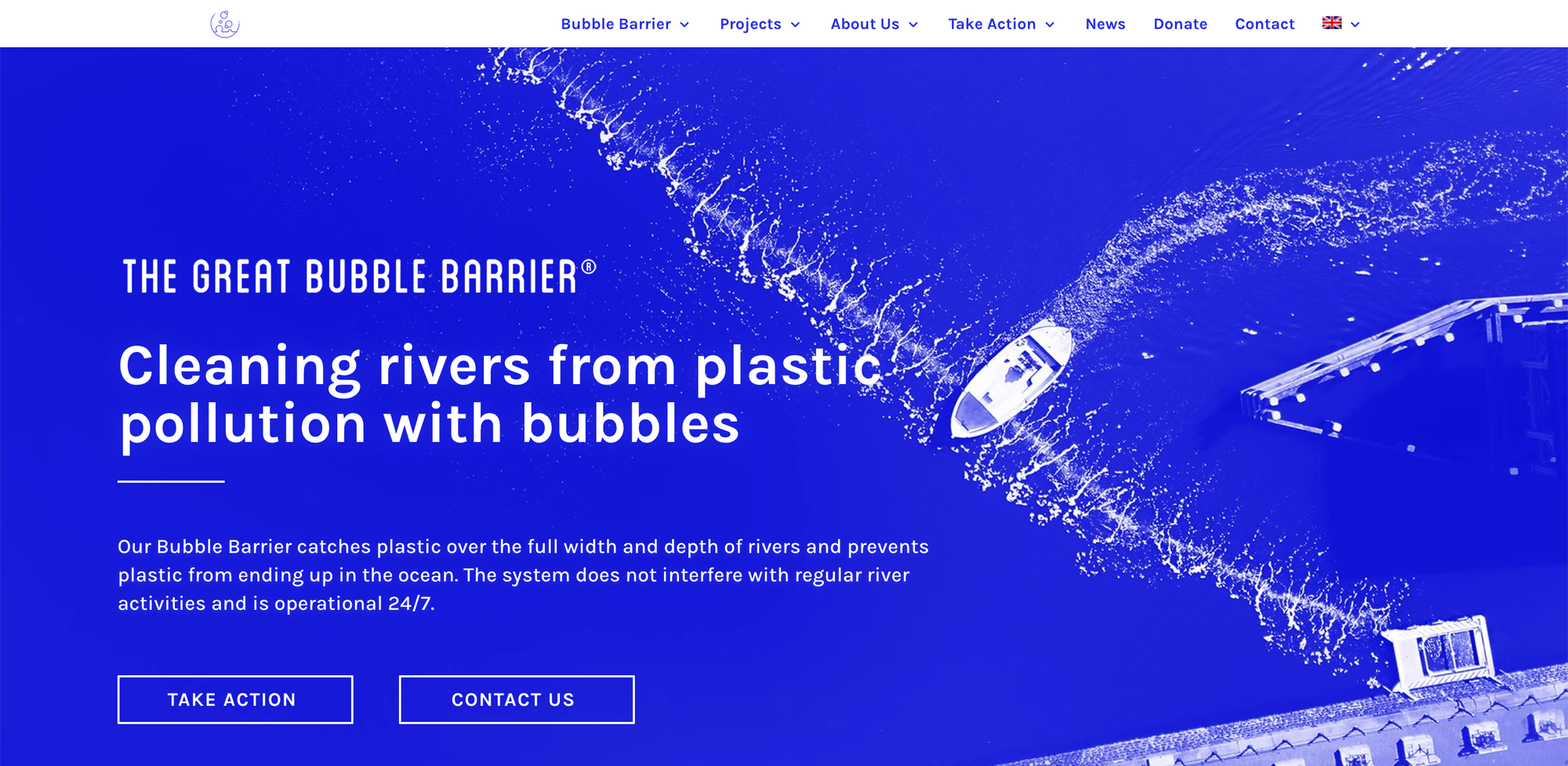
This Dutch ocean conservation startup has a simple yet ingenious solution for river plastic.
- The Problem: Rivers are the highways for plastic waste, yet solid barriers impede ship traffic and marine life.
- The Solution/Technology: They install a perforated tube on the riverbed, which pumps compressed air to create a curtain of bubbles from the bottom to the surface. This bubble barrier guides plastic waste floating on or near the surface into a catchment system on the riverbank, all without interfering with vessel traffic or fish movement.
- Impact/Status: The first permanent system in Amsterdam has successfully collected over a million pieces of plastic, proving the technology’s effectiveness in urban, fast-moving waterways.
Waterhaul (Ghost Gear Recycling)
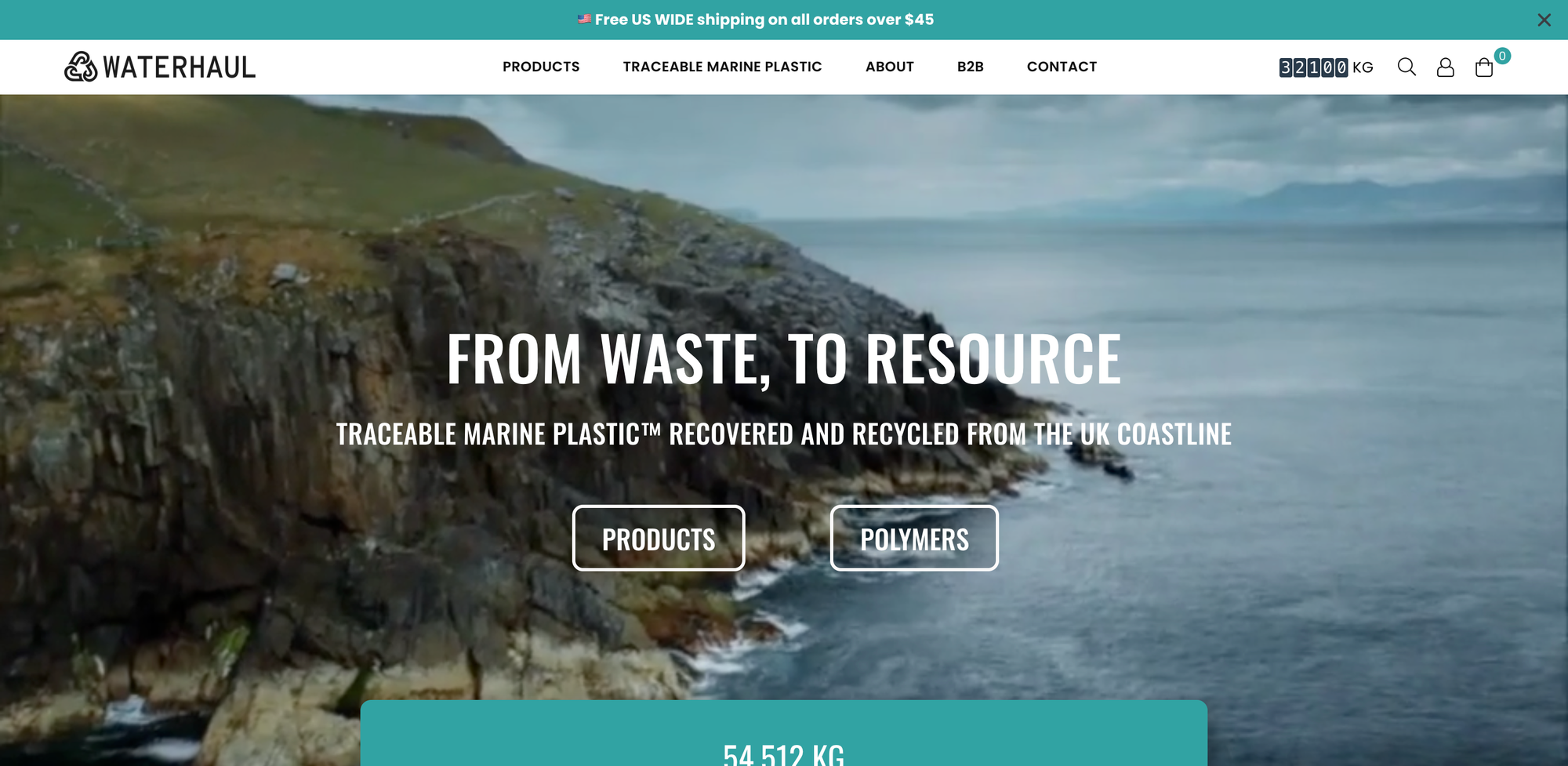
Waterhaul is focused specifically on one of the most lethal forms of marine pollution solutions: lost or abandoned fishing gear.
- The Problem: "Ghost gear" (lost fishing nets and lines) makes up a significant portion of ocean plastic pollution and poses a direct, long-term threat by continuing to trap and kill marine life.
- The Solution/Technology: They retrieve discarded nets from beaches, rivers, and the open ocean, then recycle the collected plastics into premium, high-value products like sunglasses and dive gear. This creates a circular economy model for dangerous fishing waste.
- Impact/Status: Based in the UK, the startup has scaled its retrieval and recycling process, turning pollution into a resource while directly clearing hazardous material from marine habitats.
Coral Vita (Coral Reef Restoration)
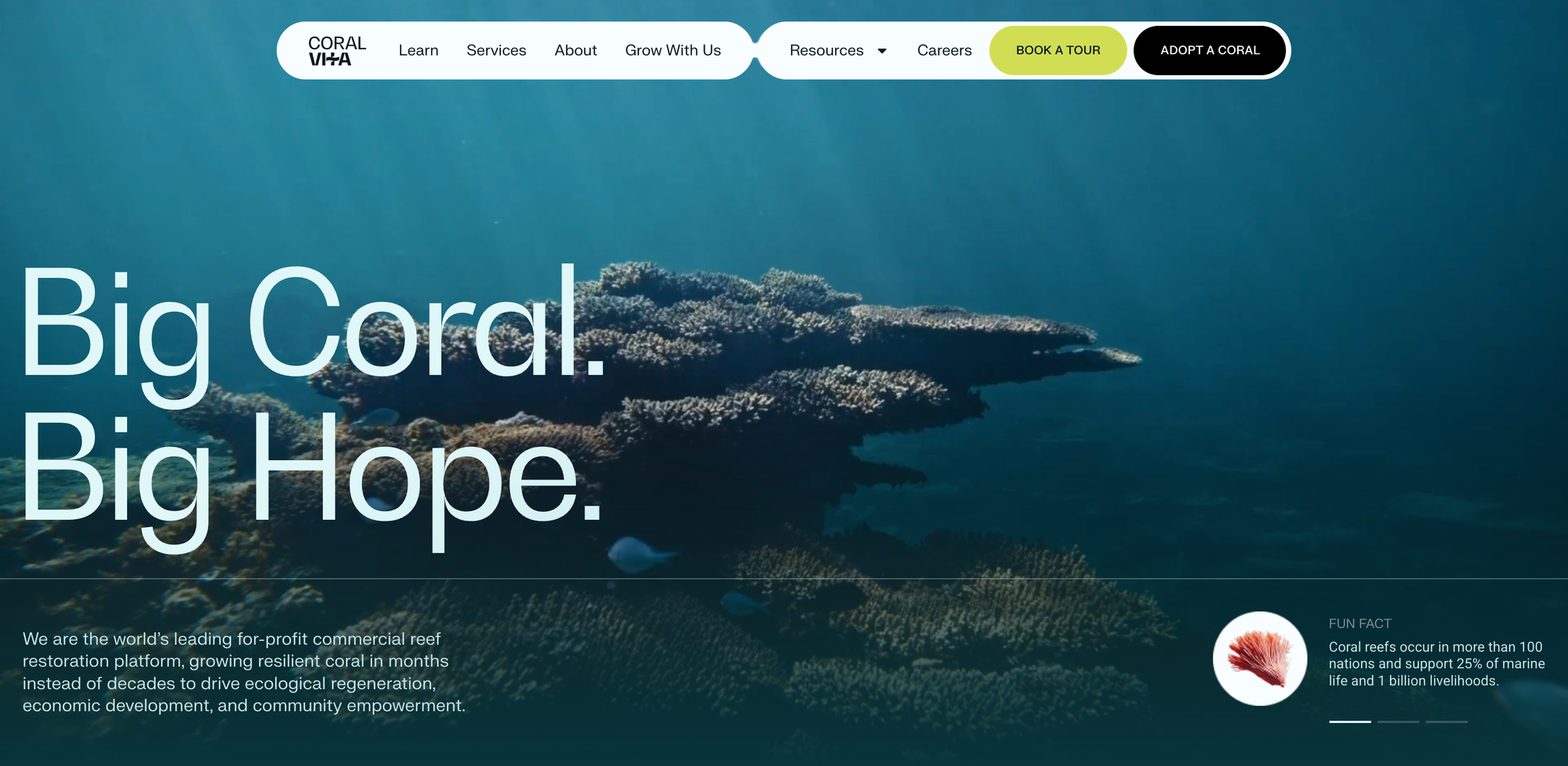
While not fighting floating debris, Coral Vita tackles the pollution-driven destruction of the ocean's most vital ecosystems: coral reefs.
- The Problem: Rising ocean temperatures and pollution have caused massive coral bleaching and reef die-offs, leading to severe biodiversity loss.
- The Solution/Technology: They use an innovative technique called 'micro-fragmentation' in land-based farms to grow corals up to 50 times faster than in nature. They then outplant these resilient corals back onto degraded reefs to accelerate restoration.
- Impact/Status: Operating the world's first land-based commercial coral farm in the Bahamas, they are pioneering a scalable method to restore degraded coral ecosystems worldwide.
Ocean Bottle (Consumer-Funded Cleanup)
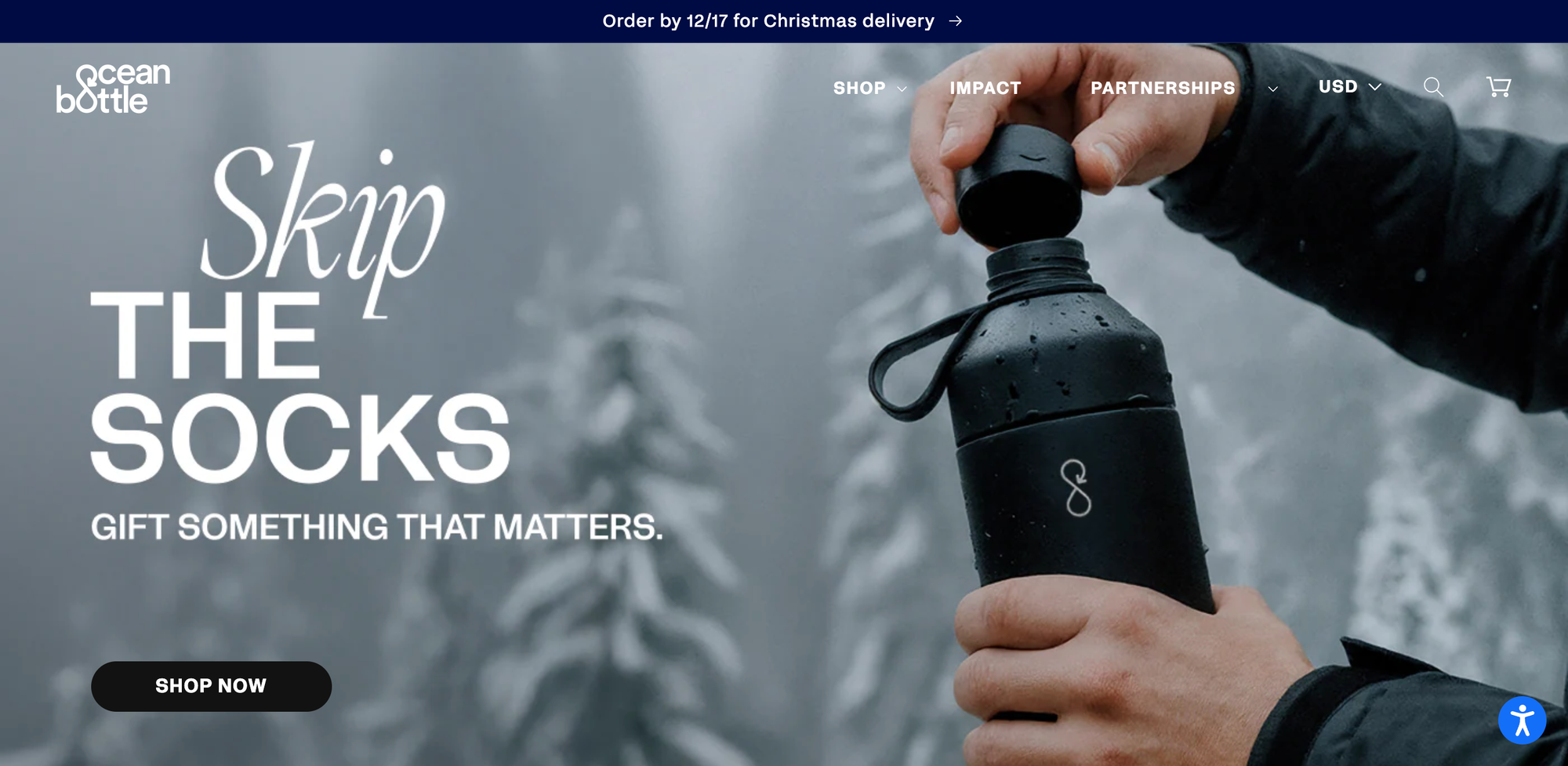
Ocean Bottle is a consumer goods company that links the purchase of its reusable water bottle directly to plastic collection and social impact.
- The Problem: Consumers want to make a difference, but often lack a transparent and verified way to fund large-scale plastic recovery.
- The Solution/Technology: Every bottle sold funds the collection of 11.4 kilograms of ocean-bound plastic (the equivalent of 1,000 plastic bottles). This funding is channeled to collection partners in coastal communities who exchange plastic for money, providing a living wage, health insurance, and educational opportunities.
- Impact/Status: The company has funded the collection of millions of kilograms of plastic, directly linking conscious consumption to tangible social and environmental cleanup action.
Carbonwave (Sargassum Biorefinery)
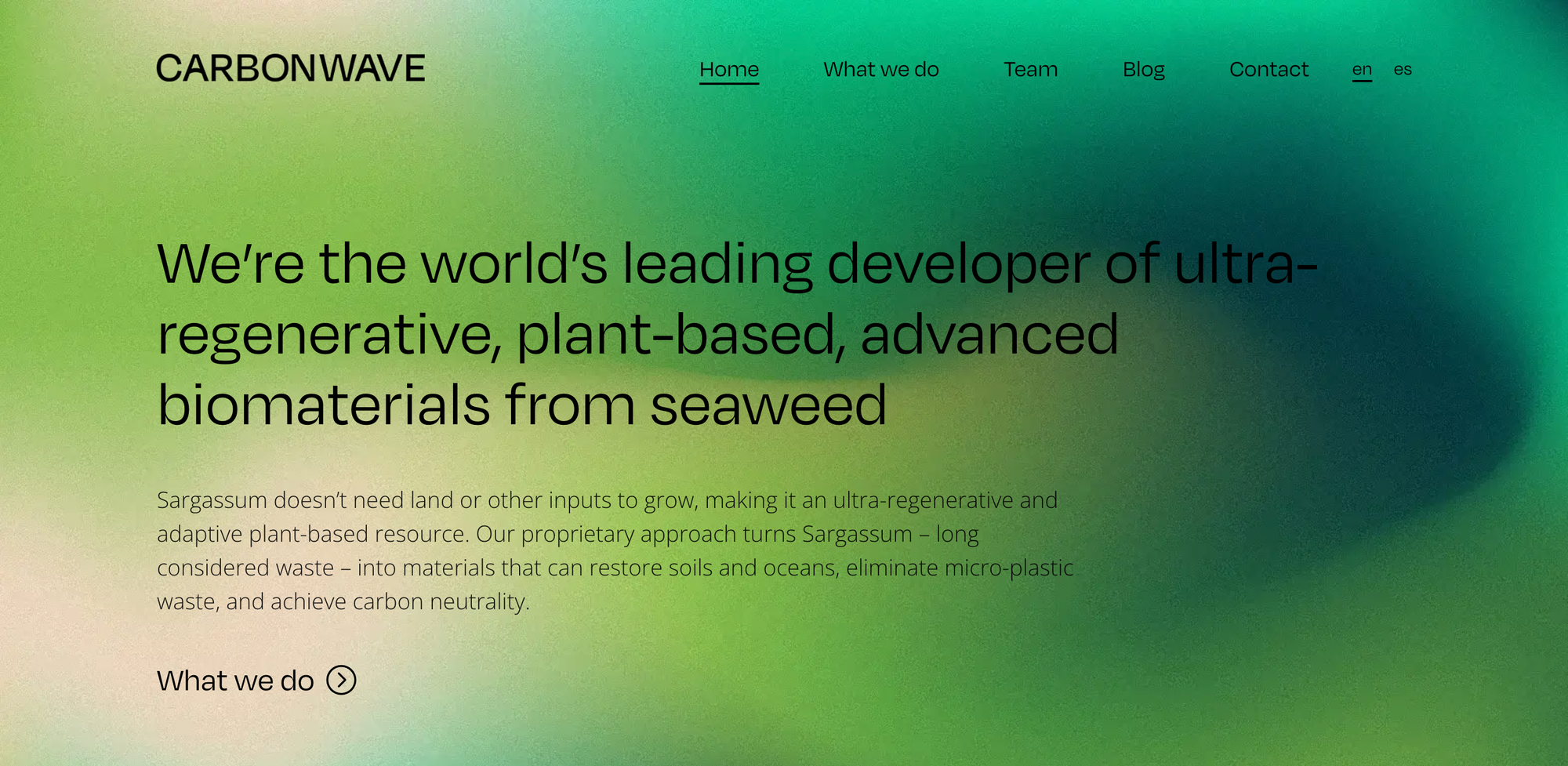
Carbonwave tackles a complex, widespread form of marine pollution: the massive, invasive blooms of Sargassum seaweed across the Caribbean.
- The Problem: While natural, the unprecedented scale of Sargassum blooms is devastating coastal ecosystems, tourism, and marine life due to oxygen depletion and coastline smothering.
- The Solution/Technology: They utilize a "biorefinery" approach to transform the nuisance seaweed into high-value, sustainable biomaterials. Products include SeaBalance™ (a cosmetic emulsifier that replaces synthetic microplastics) and bio-fertilizers.
- Impact/Status: By commercializing a solution for an environmental disaster, they create a regenerative circular economy, helping clean beaches while providing sustainable raw materials.
Ashored Innovations (Sustainable Fishing Gear)
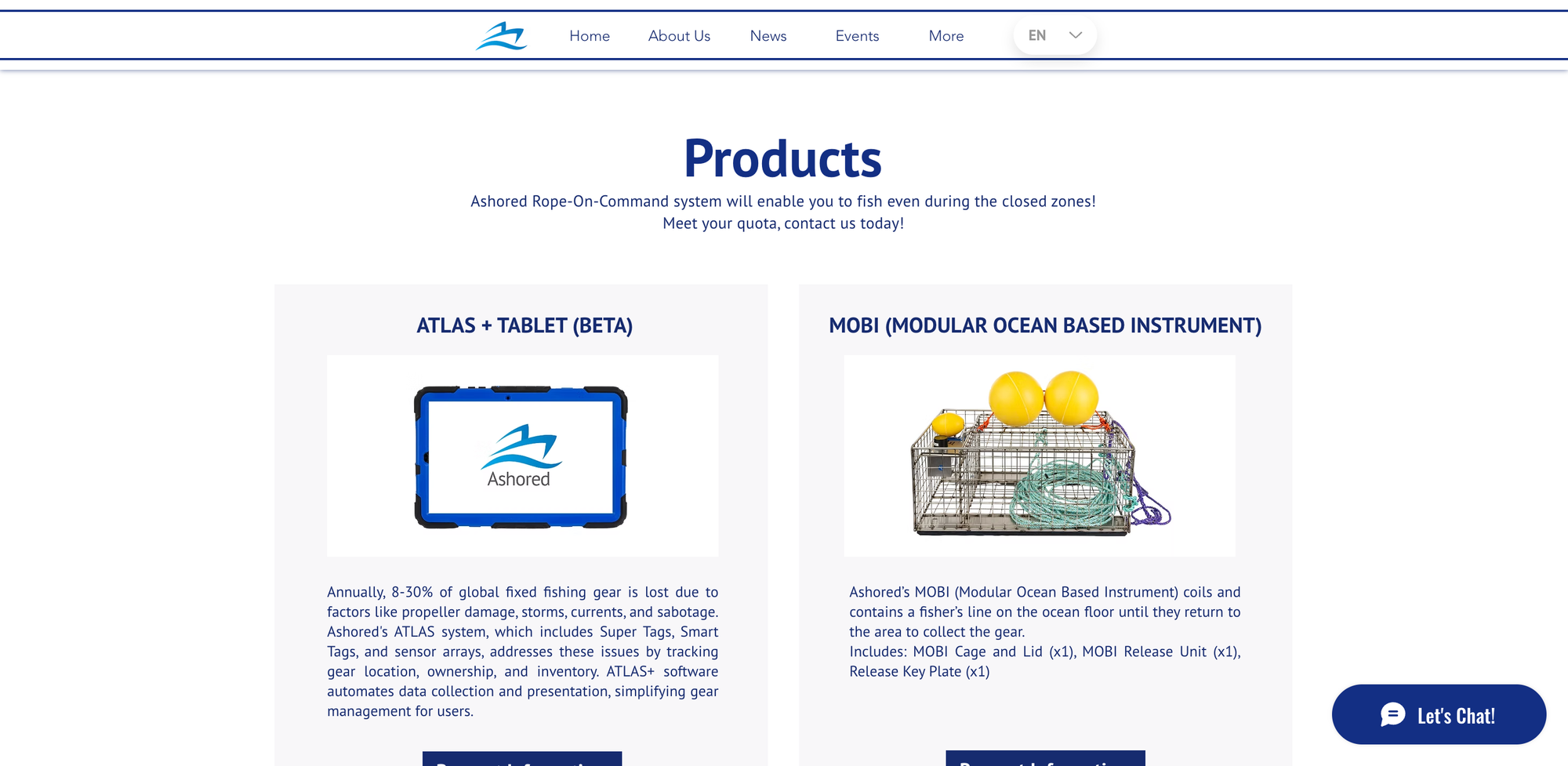
Focused on preventing the creation of ghost gear, Ashored Innovations is innovating on traditional commercial fishing practices.
- The Problem: Traditional buoyed fishing gear (like lobster and crab traps) is often lost due to vessel traffic or bad weather, adding to the ghost gear problem and creating unnecessary rope in the water.
- The Solution/Technology: They develop "ropeless" fishing systems that use acoustic releases to eliminate buoys and surface lines, which drastically reduces gear loss and entanglement risks for whales and other marine life.
- Impact/Status: Their technology is being adopted by commercial fishing operations, successfully balancing the economic needs of fishermen with vital conservation mandates.
The Future of Sustainable Ocean Tech
The work of these ocean conservation startups proves that innovative solutions, fueled by entrepreneurial spirit and investment, are critical to reversing the damage caused by marine pollution.
The shift toward a Blue Economy is driving incredible progress. We are moving away from purely reactive cleanup efforts toward a multi-pronged strategy that includes:
- Upstream Prevention: Solutions like Notpla and CleanHub stop pollution before it enters the water.
- AI and Robotics: Systems from Ocean Cleanup and other new ventures use AI-powered detection and autonomous vehicles to increase cleanup efficiency.
- Circular Economy: Startups like Waterhaul and Carbonwave view waste not as trash, but as a valuable resource to be cycled back into products.
Achieving the goals of SDG 14 (Life Below Water) will require billions in investment, but the energy, ingenuity, and sheer number of solutions emerging from the ocean conservation startups community offer a powerful message of hope.