Vodafone Foundation is an independent UK charity associated with Vodafone and principally funded by Vodafone Group Plc. The foundation reports more than 30 years of activity and is governed by a board of trustees. It connects Vodafone's charitable giving, technology, connectivity, employees, and market presence with specialist partners. Country-level Vodafone foundations and programs may be separate local entities, so this profile describes the group foundation rather than collapsing every national organization into one legal body.
Its current strategy has three global challenges: digital learning and inclusion; tackling harm and abuse; and resilience and response in times of crisis. Programs include digital education for refugees and young people, digital confidence, technology supporting survivors of domestic abuse, maternal-health referral and transport systems, emergency communications, and crisis-response tools. Some support is cash, but much of the model is co-designed technology, connectivity, employee expertise, and long-term program delivery; these in-kind and operational contributions are not equivalent to grants.
The foundation says it is not a traditional grant funder and does not respond to unsolicited funding requests. It instead builds long-term partnerships with shared responsibility for design, delivery, evaluation, and innovation. The reported goal of improving 300 million lives by 2025 is an organization-defined aggregate claim, not a count of grants or independently verified causal outcomes. No broadly applicable cheque range or open application route is published.
Vodafone Foundation uses mobile connectivity and digital technology as infrastructure for social programs that can be adapted across Vodafone markets and partner networks. It favors long-term co-design with expert NGOs, governments, charities, community groups, and people with lived experience, focusing on digital learning, safety from harm and abuse, maternal health, and crisis resilience.
The foundation's role can include funding, product and platform development, connectivity, employee engagement, and convening. It does not offer a conventional open grant pipeline, and its partnership page explicitly rejects unsolicited funding requests. Program metrics should be assessed against each initiative's method and evaluation rather than aggregated into an implied grantmaking return.
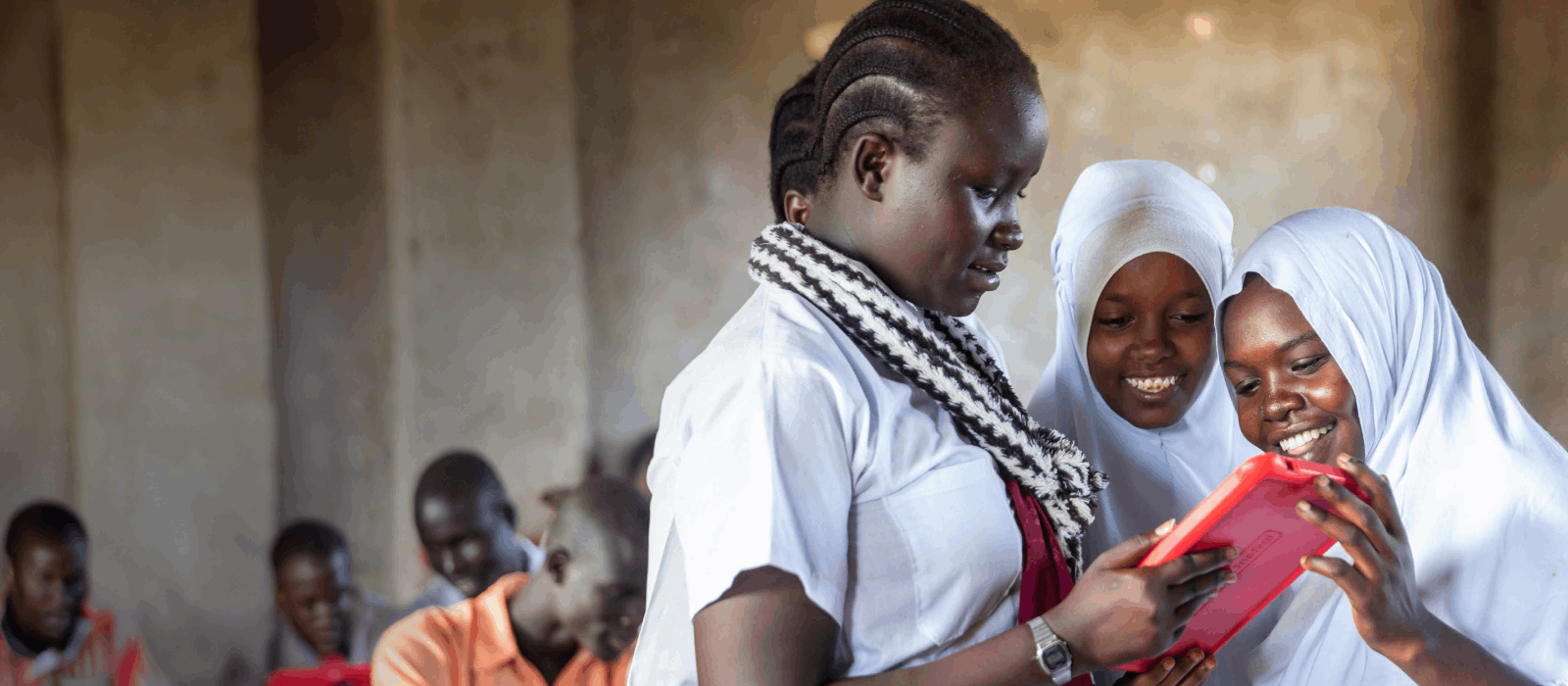
Photo credit: Vodafone Foundation / official website
Funder structure
Independent UK charity with a trustee board; Vodafone Group Plc is its principal funder. It combines charitable funding with Vodafone technology, connectivity, employees, and market capabilities. National Vodafone foundations may have separate governance and eligibility.
Focus geography
Global programs delivered through Vodafone markets and specialist partners, with substantial work in Europe and Africa and crisis deployments elsewhere. Availability follows specific programs, local Vodafone foundations, government and NGO partners, and operational need.
Focus sectors
Digital skills and inclusive education, refugee learning, online safety and digital wellbeing, prevention and response to gender-based violence, maternal health, emergency communications, and technology-enabled disaster resilience.
Eligibility requirements
The group foundation does not accept unsolicited funding requests. Partners are selected for subject expertise, local legitimacy, program fit, delivery capacity, and willingness to share responsibility for design, evaluation, innovation, and adaptation.
Decision process
Foundation teams identify a challenge and prospective expert partners, then jointly design a long-term program for relevant markets and communities. Trustee and internal approvals apply, but no public proposal window, scoring rubric, or routine response commitment exists.
Impact approach
The approach joins technology with specialist service delivery and aims to scale reusable programs. Figures such as lives improved, app users, school participation, or emergency deployments are organization-defined outputs or reach measures unless an evaluation source says otherwise.
Reporting expectations
Long-term partners should expect shared program governance, safeguarding and data-protection controls, delivery milestones, financial accountability, monitoring, evaluation, and learning. Requirements differ for grants, technology products, emergency deployments, and national programs.
Geographic restrictions
Programs operate only in selected markets and partner settings. A Vodafone customer relationship, local network coverage, or presence in a Vodafone country does not establish funding eligibility; local foundations may run distinct processes and priorities.
Alternatives and limitations
Organizations seeking open grants should examine local Vodafone foundations, public digital-inclusion funds, humanitarian connectivity networks, and specialist regrantors. Emergency telecom deployments complement—but do not replace—food, shelter, health, protection, and local response systems.
Locations