
Systemiq Capital
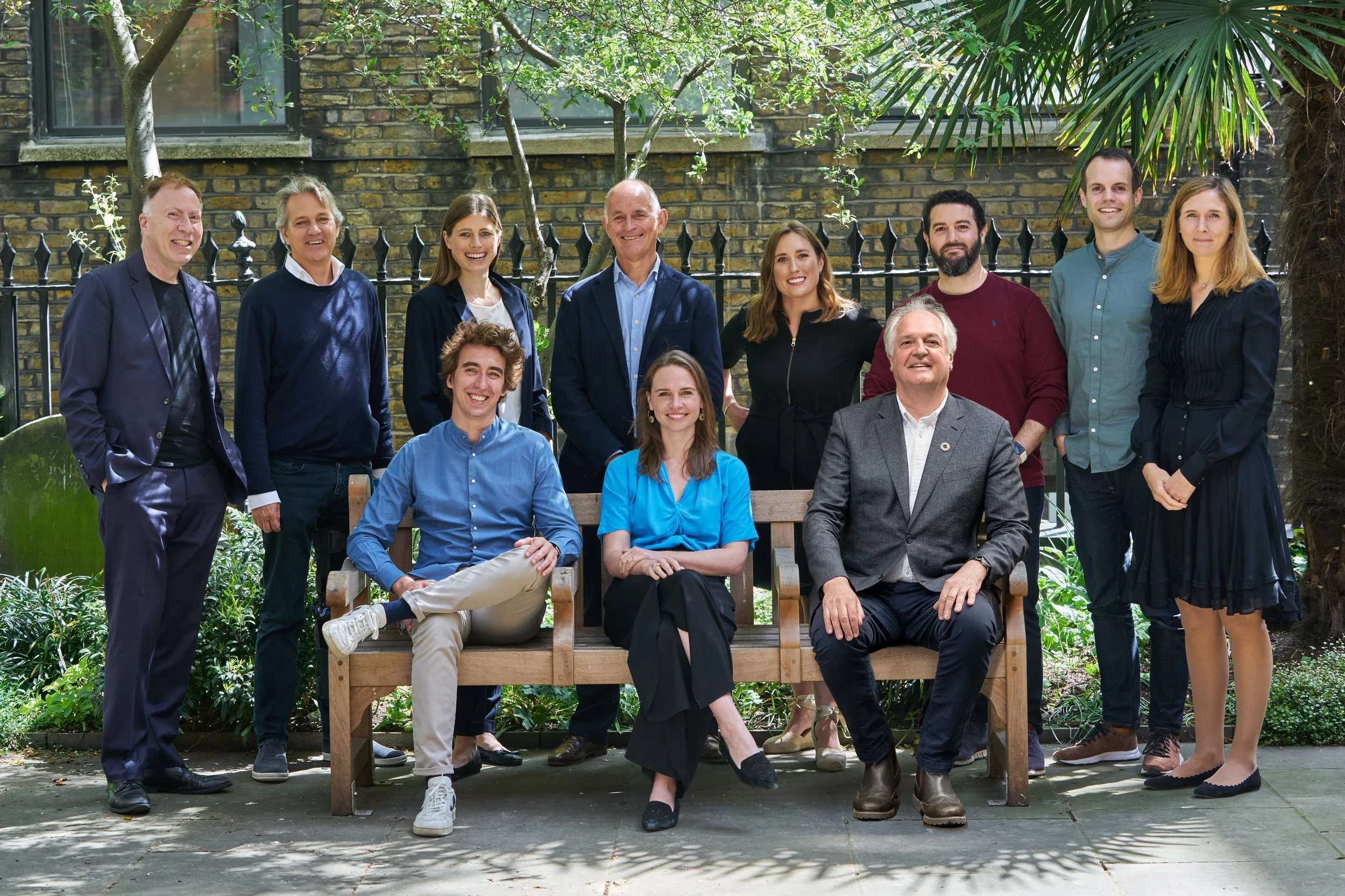
Photo credit: Systemiq Capital
Browse related lists
Related on Causeartist
- Sectors
- Locations


Systemiq Capital backs early-stage founders who are rewriting the physical economy: how we grow and process food, invent materials, move people and goods, price climate risk, and restore damaged natural systems. The fund is Europe-based and works closely with the wider Systemiq systems-change practice, which gives it an unusual vantage point on markets, policy, and corporate demand.
The partnership model is built around early market adoption. Capital is only part of the offer. Founders also get introductions into corporate buyers, policy networks, and later-stage investors who understand transition markets. That matters in climate tech, where the first customers are often industrial or public-sector actors, not consumer apps.
Fund I launched in 2018, deployed about $30 million, and produced multiple exits. Fund II targets about $200 million after a reported $70 million first close, and continues the same "capital for systems change" mandate. Core themes stay consistent: sustainable food and materials, clean transport, climate intelligence and finance, and climate restoration (including removals and biodiversity-linked work).
For directory readers, Systemiq Capital is useful when a company needs more than a generic climate VC. If the product only works when industry rules, procurement, or infrastructure shift, this is a firm that underwrites that complexity on purpose.
Key benefits
Systems-change support
Pairs venture capital with industry, policy, and corporate networks so founders can see the market rules that decide whether a climate company scales.
Physical-economy themes
Concentrates on food and materials, clean transport, climate intelligence and finance, and restoration rather than broad consumer climate branding.
Adoption-oriented partners
Helps portfolio companies find early buyers and follow-on capital inside transition markets that move slower than software alone.
Systemiq Capital invests in early-stage climate technology companies, typically from late seed through Series A and into early Series B when the systems case is strong. Ownership targets are often discussed in the mid-single-digit to low-double-digit range, with the firm seeking meaningful but not controlling stakes.
The thesis clusters around four transition systems:
1. Food and materials production that can cut emissions and ecological damage while scaling commercially.
2. Clean transport through direct and indirect electrification and related infrastructure software.
3. Climate intelligence and finance, including data, analytics, and capital-market tools that change how risk and investment flow.
4. Restoration and removal pathways that repair or reverse damage rather than only slowing new emissions.
They look for teams who can navigate real industry constraints. Soft "impact narratives" without a path to adoption are a poor fit. Commercially grounded founders who understand buyers, regulation, and infrastructure timing are the target.
Frequently asked questions
- What does Systemiq Capital fund?
- Systemiq Capital backs early-stage founders who are rewriting the physical economy: how we grow and process food, invent materials, move people and goods, price climate risk, and restore damaged natural systems. The fund is Europe-based and works closely with the wider Systemiq systems-change practice, which gives it an unusual vantage point on markets, policy, and corporate demand. The partnership model is built around early market adoption. Capital is only part of the offer. Founders also get introductions into corporate buyers, policy networks, and later-stage investors who understand transition markets. That matters in climate tech, where the first customers are often industrial or public-sector actors, not consumer apps. Fund I launched in 2018, deployed about $30 million, and produced multiple exits. Fund II targets about $200 million after a reported $70 million first close, and continues the same "capital for systems change" mandate. Core themes stay consistent: sustainable food and materials, clean transport, climate intelligence and finance, and climate restoration (including removals and biodiversity-linked work). For directory readers, Systemiq Capital is useful when a company needs more than a generic climate VC. If the product only works when industry rules, procurement, or infrastructure shift, this is a firm that underwrites that complexity on purpose.
- What is Systemiq Capital's check size?
- Varies
- What is Systemiq Capital's investment thesis?
- Systemiq Capital invests in early-stage climate technology companies, typically from late seed through Series A and into early Series B when the systems case is strong. Ownership targets are often discussed in the mid-single-digit to low-double-digit range, with the firm seeking meaningful but not controlling stakes. The thesis clusters around four transition systems: 1. Food and materials production that can cut emissions and ecological damage while scaling commercially. 2. Clean transport through direct and indirect electrification and related infrastructure software. 3. Climate intelligence and finance, including data, analytics, and capital-market tools that change how risk and investment flow. 4. Restoration and removal pathways that repair or reverse damage rather than only slowing new emissions. They look for teams who can navigate real industry constraints. Soft "impact narratives" without a path to adoption are a poor fit. Commercially grounded founders who understand buyers, regulation, and infrastructure timing are the target.
- Which sectors does Systemiq Capital invest in?
- Circular Economy, Clean Transportation, Climate Tech, Environment & Conservation, Impact Finance, Sustainable Food & Agriculture
At a glance
Sectors
Locations
- Founded
- 2018
- AUM
- Fund II targeting about $200M


