

WeWard
Rewards everyday walking with cash, gifts, charity donations, and fewer car trips.
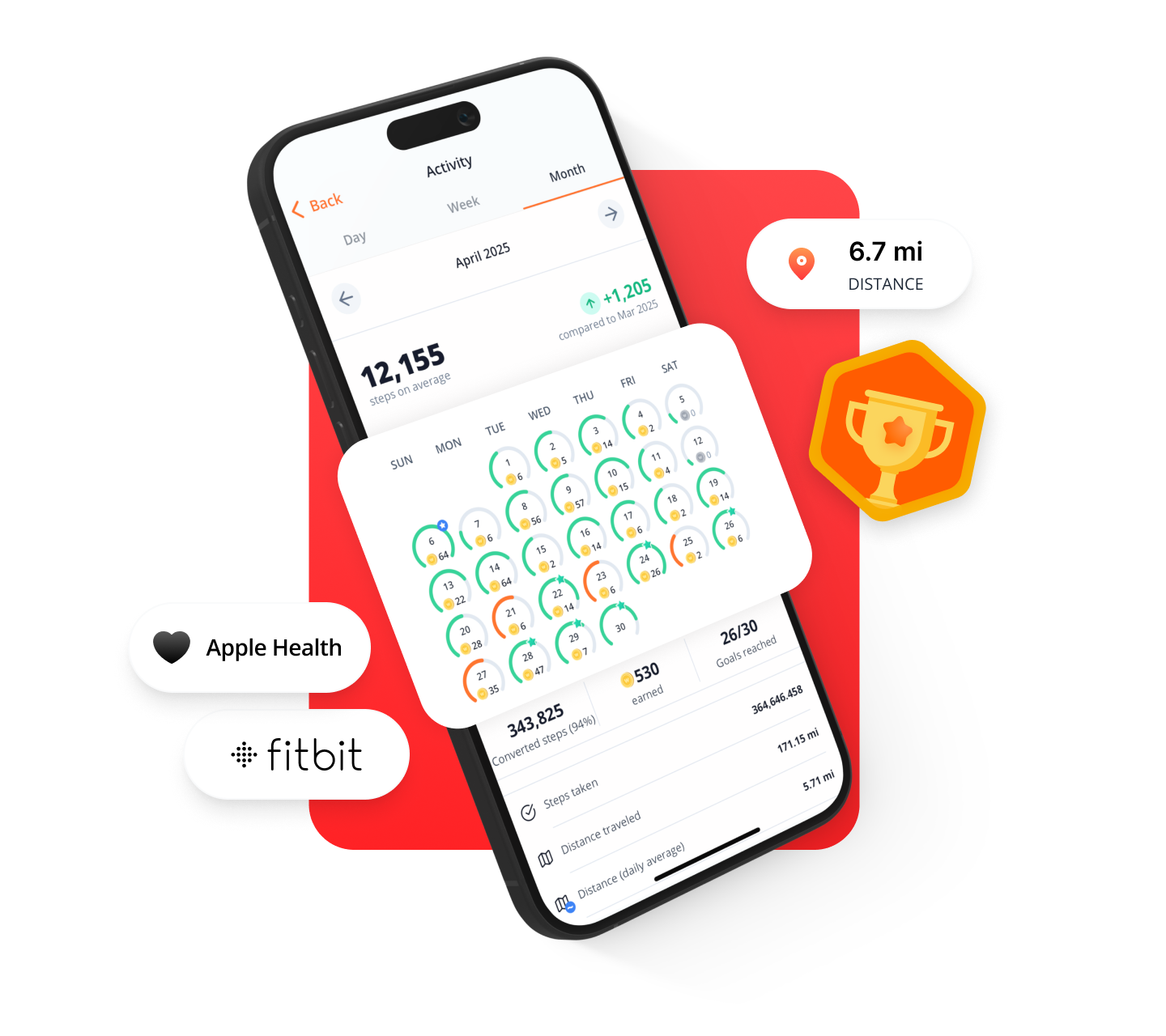
Photo credit: WeWard / wewardapp.com official product graphic of the walking-rewards app
Browse related lists
Related on Causeartist
- Founder
- Yves Benchimol and Tanguy de La Villegeorges

WeWard is a mobile app that rewards people for walking. Its mission is to help users build healthier habits through financial incentives, games, and social challenges.
According to the company, WeWard has reached 30 million walkers across 29 countries. Users earn points called Wards by validating their daily steps and completing activities in the app. These points can be redeemed for cash rewards through PayPal or Venmo, gifts and discounts from more than 100 brands, or charitable donations.
Wards have no monetary value outside the app. They are not cash, cryptocurrency, or bank deposits. Instead, users exchange their points for eligible rewards available through the platform.
Tennis champion Venus Williams has also endorsed WeWard. Investment databases report that she participated in an undisclosed angel investment in February 2025, although the company has not publicly confirmed the investment amount.
Key benefits
Walking rewards with a clear point system
Users earn Wards for validated steps and in-app actions, then redeem them for cash-out options, brand gifts, or charity donations. The terms keep the points distinct from money even where a reward can be paid out.
Health nudge at population scale
The app targets inactivity with step tracking, device connections, challenges, and a company-reported 24 percent average step increase. Testimonial weight-loss claims are not treated as clinical results.
Mode shift, not only extra laps
WeWard's climate claim depends on walking that replaces car trips. The 6t study summary says only part of the distance walked replaces driving, and the tonnage is a model rather than retired credits.
External certification, bounded scope
B Corp certification, announced in December 2024 with a reported 83.1 score, checks the company's practices. It does not audit the homepage user, payout, donation, or CO2 totals.
Latest News and Funding Rounds
WeWard encourages people to walk more by turning everyday movement into a rewarding experience. The app tracks steps through Apple Health, Fitbit, and other connected sources, while streaks, leaderboards, collectible WeCards, challenges, and redeemable rewards help users stay motivated.
The company's approach is built around a simple idea: small, consistent incentives can encourage lasting behavior change. WeWard cites World Health Organization data showing that 31% of adults and 80% of adolescents do not meet recommended physical activity levels. While the company also shares individual weight loss testimonials, these should not be interpreted as clinical outcomes.
WeWard's climate model estimates emissions avoided when users choose to walk instead of drive. Research by 6t, published in Transport Policy, found that increased walking began within the first month and persisted over time. The study reported that users replaced approximately 7 kilometers of car travel for every 100 kilometers walked.
WeWard currently reports 750,000 tons of CO2 emissions avoided, up from an earlier estimate of at least 600,000 tons. These figures are modeled using walking activity, estimated car trip substitution, and emissions factors. They are not independently verified carbon offsets, and not every rewarded step replaces a car journey.
WeWard reports the following cumulative impact figures:
- 30 million walkers across 29 countries.
- $50 million transferred to users through rewards.
- $1.5 million donated to more than 70 supported charities.
- 24% average increase in users' daily steps.
- 750,000 tons of CO2 emissions avoided through walking instead of driving.
- 4.9-star rating on the iOS App Store.
These are company-reported figures and do not share a single reporting date or independent audit.
A separate study published in Transport Policy, based on research by 6t, followed nearly 95,000 French WeWard users over 15 months. According to WeWard's summary, participants increased their walking by approximately 20% and replaced 7 kilometers of car travel for every 100 kilometers walked.
The company's emissions figure is a modeled estimate, not independently verified carbon offsets.
Frequently asked questions
- What does WeWard do?
- WeWard is a mobile app that rewards people for walking. Its mission is to help users build healthier habits through financial incentives, games, and social challenges. According to the company, WeWard has reached 30 million walkers across 29 countries. Users earn points called Wards by validating their daily steps and completing activities in the app. These points can be redeemed for cash rewa…
- Where is WeWard based?
- WeWard is based in France.
- What sector does WeWard operate in?
- WeWard operates in the Clean Transportation sector.
- Who founded WeWard?
- Yves Benchimol and Tanguy de La Villegeorges


