Repurposing idle oil wells as gravity energy storage infrastructure.
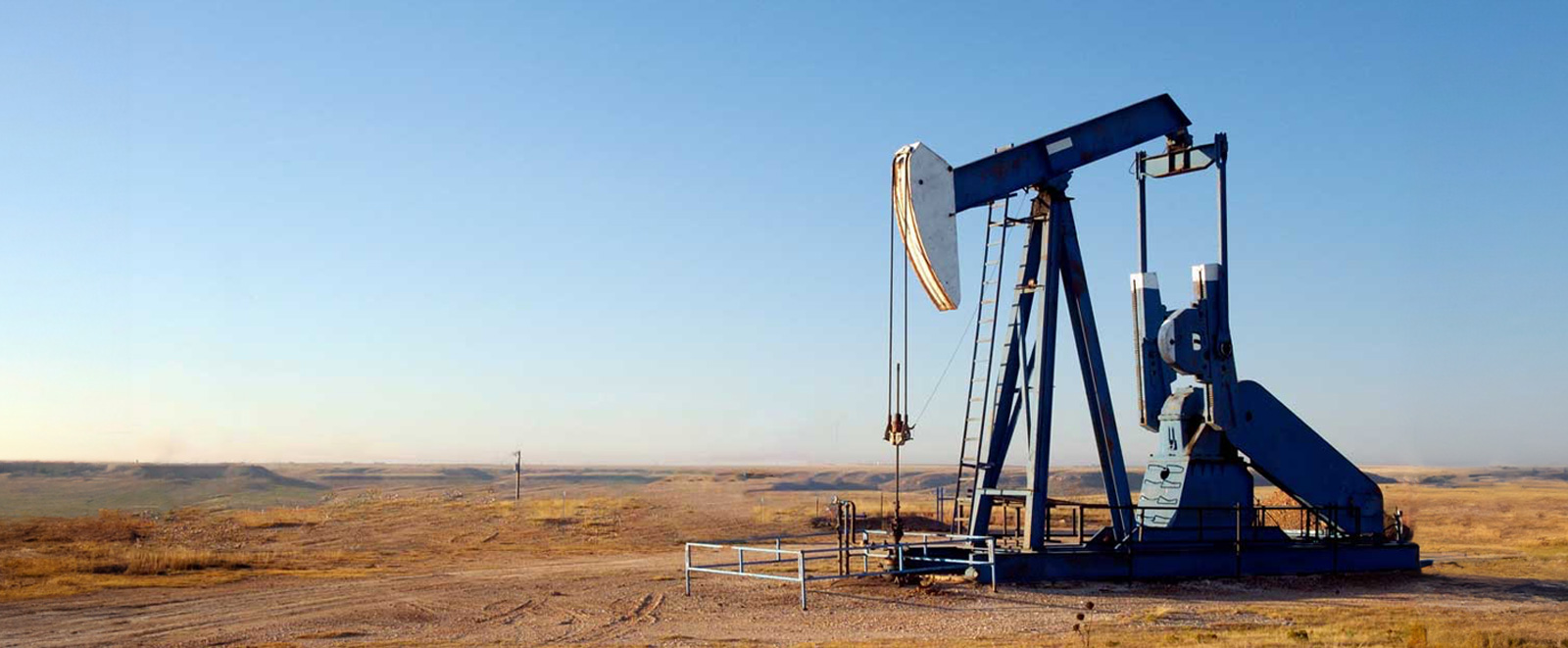
Photo credit: Renewell Energy, via SOSV
Renewell Energy is a Bakersfield, California energy-storage company founded in 2020 by former Shell engineers Kemp Gregory and Stefan Streckfus. Its Gravity Well system places a long, dense weight in an inactive oil or gas well. A motor-generator uses electricity to raise the weight and later generates electricity as the weight descends, applying established hoisting and regenerative-braking principles inside existing well infrastructure.
The company’s model combines well remediation with modular, long-duration storage. Renewell takes responsibility for an idle well, prepares and seals it for storage use, and intends to operate fleets that charge when electricity is abundant and discharge when the grid needs power. The approach can reuse wellbores, pads, roads, and grid connections while creating a new revenue pathway to fund eventual plugging and site restoration.
Renewell has built and tested demonstration equipment, including a Bakersfield-area field demonstration supported by the California Energy Commission and technical work supported by the U.S. Department of Energy. Those demonstrations establish engineering progress, not an operating commercial storage fleet. Public descriptions of thousands of candidate wells, gigawatt-hours of potential capacity, or targeted storage costs are projections; no independently documented commercial portfolio delivering electricity to the grid was identified by September 17, 2026.
Renewell targets two linked liabilities: insufficient storage for variable renewable generation and the environmental burden of idle oil and gas wells. Reusing selected wells could avoid some greenfield civil works, preserve local energy employment, and direct storage revenue toward responsible plugging. Distributed installations may also use existing industrial sites closer to transmission or distribution infrastructure.
Actual impact depends on well geometry and integrity, usable depth, grid interconnection, round-trip efficiency, maintenance, operating life, and whether storage revenue results in timely permanent closure. A converted well is not the same as a plugged well, and conversion may defer final remediation. Company estimates of market-wide capacity and cost have not been validated through a disclosed commercial fleet or comparative life-cycle assessment.
Renewell and partner materials describe successful prototypes and field demonstrations, including deployment in an inactive well near Bakersfield. Public project materials generally discuss a roughly 100-kilowatt-hour demonstration class rather than a continuously operating utility asset. Demonstrated lifts, controls, and power conversion should not be reported as recurring grid-delivered storage.
The company cites more than two million idle or orphaned wells in North America and models multi-gigawatt-hour technical potential across suitable wells. Those figures describe an addressable resource, not wells contracted, converted, or remediated by Renewell. Similarly, targets near $50 per kilowatt-hour and multi-hour duration are modeled design goals rather than audited commercial costs.
Publicly announced support includes government awards and venture backing, but a complete verified equity total is not disclosed. As of September 17, 2026, the defensible impact record is technology development and demonstration; operating capacity, annual electricity discharged, avoided emissions, and completed well closures have not been publicly substantiated at fleet scale.
Reuses existing industrial sites
Gravity Well is designed around existing wellbores, pads, access roads, and potential grid connections, reducing the need for entirely new storage sites.
Mechanically simple storage medium
The system stores energy by lifting a solid weight and recovers it through controlled descent, avoiding electrochemical cells and their material supply chains.
Potential remediation funding pathway
Renewell’s operating model is intended to create revenue from idle wells while retaining responsibility for eventual plugging and restoration.
Distributed long-duration potential
Suitable wells can be developed as modular installations near former energy infrastructure, although fleet economics and grid performance remain unproven.
Focus areas
Locations