Crafting deli meats from koji-based whole-food protein.
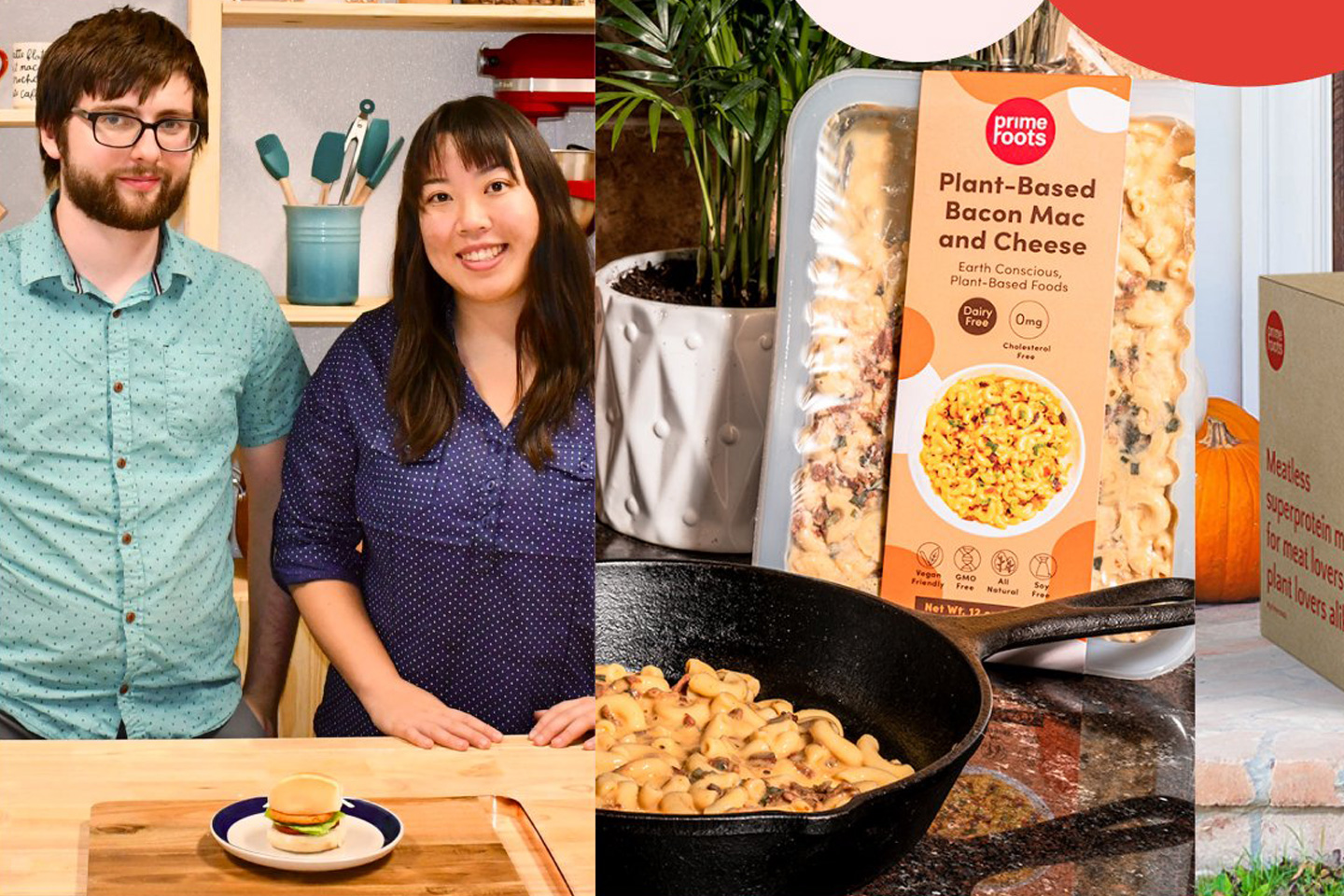
Photo credit: Prime Roots, via SOSV
Prime Roots is a Berkeley, California food-technology company founded in 2017 by Kimberlie Le and Joshua Nixon. Originally known as Terramino Foods, it grows koji, the food fungus Aspergillus oryzae, through fermentation and combines its mycelium-rich biomass with fats, seasonings, and other ingredients to make sliced deli products and bacon-style foods. The products are plant-based foods, not cultivated meat and not isolated precision-fermentation proteins.
Prime Roots initially sold direct-to-consumer meal products, then focused on deli meats sliced to order at retail counters and supplied through foodservice and specialty partners. Its commercial claims should be tied to confirmed products and locations: retailer announcements, online listings, and partnerships demonstrate availability at a point in time, but do not establish nationwide distribution, recurring sell-through, revenue, or displacement of animal meat.
Koji provides a fibrous structure and savory flavor while growing quickly in fermentation equipment. Prime Roots positions this as a way to reproduce charcuterie formats with fewer animal-agriculture inputs. Ingredient lists and nutrition vary by product, and plant-based does not automatically mean minimally processed, allergen-free, lower-sodium, or environmentally superior under every production scenario.
Prime Roots seeks to replace a portion of conventional pork and beef deli meat with fungal biomass produced in controlled fermentation. Directly producing edible biomass can reduce dependence on livestock feed, land, slaughter, and manure management. Deli-counter formats also target an established purchase occasion rather than asking consumers to adopt a new meal category.
The environmental case relies largely on company-commissioned or modeled comparisons. Results depend on fermentation energy, feedstock, facility utilization, formulation, refrigeration, packaging, waste, and the animal product displaced. Public information does not show independently audited company-wide avoided emissions, animal displacement, or lifecycle performance for every current SKU.
Prime Roots has reported lifecycle advantages for its koji meats, including substantially lower land and water use and greenhouse-gas emissions than conventional meat. These percentages are modeled comparative results, not direct measurements of emissions avoided through customer purchases. The public materials do not provide enough current sales volume and substitution data to convert product footprints into realized company impact.
Commercial evidence includes direct sales, deli-counter placements, foodservice use, and branded partnerships. Those activities show that products have reached paying customers, but store counts and availability change, and announced placement is not the same as products sold or reordered. Claims such as rapid koji growth describe the organism and production cycle rather than annual factory output.
Prime Roots announced a $30 million Series B in 2023, bringing widely reported disclosed funding to approximately $50 million. No audited figures for pounds sold, repeat purchase, livestock products displaced, or total annual production were identified through September 17, 2026.
Whole-food fungal protein
Prime Roots grows koji biomass as the structural and protein-rich base of its foods rather than relying solely on isolated plant proteins.
Designed for deli service
Products are made in familiar ham, turkey, salami, pepperoni, and bacon-style formats that can be sliced and served through existing channels.
Fast, controlled cultivation
Fermentation grows koji in days within production equipment, reducing exposure to animal growth cycles, weather, and livestock disease.
Potentially lighter land footprint
Producing edible fungal biomass directly can require less agricultural land than livestock meat, although current product impacts remain model-based.
Locations