Open-source telemedicine for communities without doctors.
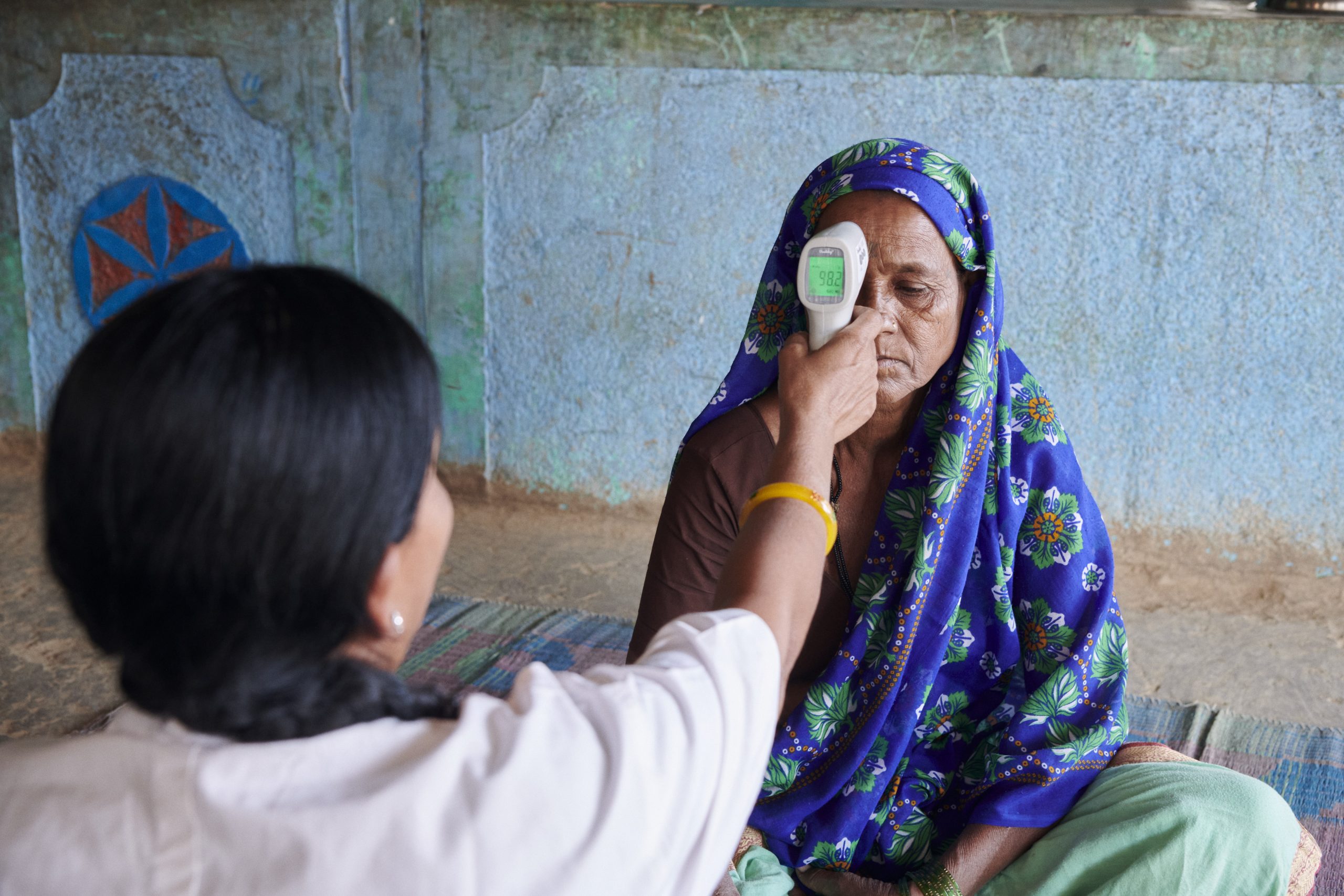
Photo credit: Intelehealth / intelehealth.org
Intelehealth develops open-source, low-bandwidth telemedicine technology for governments, nonprofits, and hospitals serving hard-to-reach communities. Its provider-to-provider model connects frontline health workers with remote doctors, while its direct-to-patient tools support consultations from home.
The platform includes the Ayu digital assistant, clinical protocols, patient records, and connections to diagnostic devices. Intelehealth also provides implementation, training, monitoring, and evaluation support so partners can incorporate telemedicine into existing public-health programs rather than deploying software alone.
Intelehealth expands the effective reach of clinicians by pairing remote doctors with frontline workers who can collect histories, follow clinical protocols, facilitate consultations, and support follow-up locally. Open-source software and low-bandwidth design can reduce licensing and connectivity barriers for health systems operating in resource-constrained settings.
Consultation totals and population coverage demonstrate scale but do not by themselves prove improved clinical outcomes or equitable access. Intelehealth's reported outcome, travel, and cost measures rely partly on program monitoring and patient reports; results can vary with connectivity, staffing, referral capacity, medicine availability, and the quality of each implementing partner.
Intelehealth's 2024–25 annual report records 8,479,111 teleconsultations during the year and more than 10 million cumulatively at that point, alongside 16,000 frontline health workers and 5,516 doctors supported. It describes an 86 million-person population coverage footprint, which represents potential service coverage rather than confirmed individual use.
The report says 59% of teleconsultation patients were women and reports an average 21.59 kilometers of travel avoided per patient.
Last-mile consultations
Connects patients and frontline health workers in underserved areas with remote doctors.
Low-bandwidth access
Designs mobile tools for settings where internet connectivity, devices, and clinical capacity are constrained.
Open-source technology
Makes core telemedicine software available for governments, hospitals, and nonprofits to adapt.
Implementation support
Adds training, workflow design, monitoring, and evaluation to help partners operate telemedicine programs.
Focus areas
Locations