
Impossible Metals
AI-powered seabed robotics for low-impact critical mineral collection.
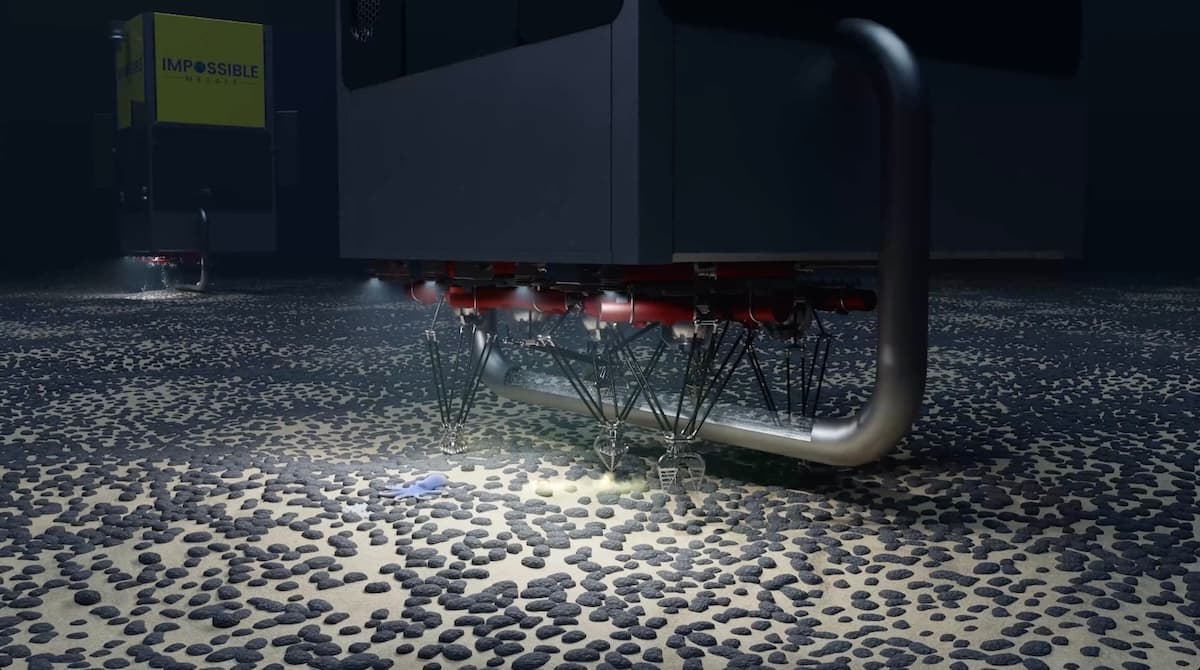
Photo credit: Impossible Metals
Browse related lists

Impossible Metals develops AI-powered underwater robotic systems designed to selectively collect critical minerals from the ocean floor while minimizing environmental disruption. The company focuses on harvesting polymetallic nodules containing nickel, cobalt, copper, and manganese, materials essential for electric vehicles, battery storage, renewable energy infrastructure, and modern electronics.
Impossible Metals is building a precision-based alternative to conventional mining methods through its Eureka Collection System, which uses computer vision, robotics, and AI-guided identification to detect, identify, and retrieve seabed nodules individually. Unlike traditional dredging or large-scale extraction systems, the company emphasizes selective retrieval designed to preserve surrounding marine ecosystems and reduce seafloor disturbance.
The company operates at the intersection of climate technology, critical mineral supply chains, and ocean sustainability. Impossible Metals argues that responsibly sourced seabed minerals could help meet accelerating global demand for clean energy materials while potentially reducing the environmental and land-use impacts associated with conventional terrestrial mining operations.
Key benefits
Selective AI-Guided Collection
Uses computer vision and robotics to identify and retrieve polymetallic nodules individually rather than through large-scale dredging.
Supports Energy Transition
Provides access to critical minerals needed for electric vehicles, renewable energy infrastructure, and battery storage systems.
Lower Environmental Disturbance
Designed to minimize seafloor disruption and reduce the environmental impacts associated with conventional mining operations.
Science & Transparency Focus
Emphasizes evidence-based environmental standards, independent assessments, and measurable ecological accountability.
Latest News and Funding Rounds

Impossible Metals creates impact by developing low-disturbance robotic systems for sourcing critical minerals needed for electrification and renewable energy infrastructure. Their AI-guided underwater robots selectively collect polymetallic nodules while aiming to avoid unnecessary disruption to surrounding marine ecosystems.
The company positions its technology as a lower-impact alternative to traditional mining by reducing land disturbance, deforestation, blasting, and heavy terrestrial extraction associated with critical mineral production. Their approach also emphasizes scientific review, environmental monitoring, and data-driven operational boundaries for ocean resource development.
* Developing AI-driven robotic seabed collection systems
* Focused on critical minerals including nickel, cobalt, copper, and manganese
* Designed for selective retrieval instead of large-scale dredging
* Supports mineral supply chains tied to EVs, grid batteries, and renewable infrastructure
Frequently asked questions
- What does Impossible Metals do?
- Impossible Metals develops AI-powered underwater robotic systems designed to selectively collect critical minerals from the ocean floor while minimizing environmental disruption. The company focuses on harvesting polymetallic nodules containing nickel, cobalt, copper, and manganese, materials essential for electric vehicles, battery storage, renewable energy infrastructure, and modern electroni…
- Where is Impossible Metals based?
- Impossible Metals is based in California, United States.
- What sector does Impossible Metals operate in?
- Impossible Metals operates in the AI & Technology sector.


