Open-source AI for infectious and neglected-disease research.
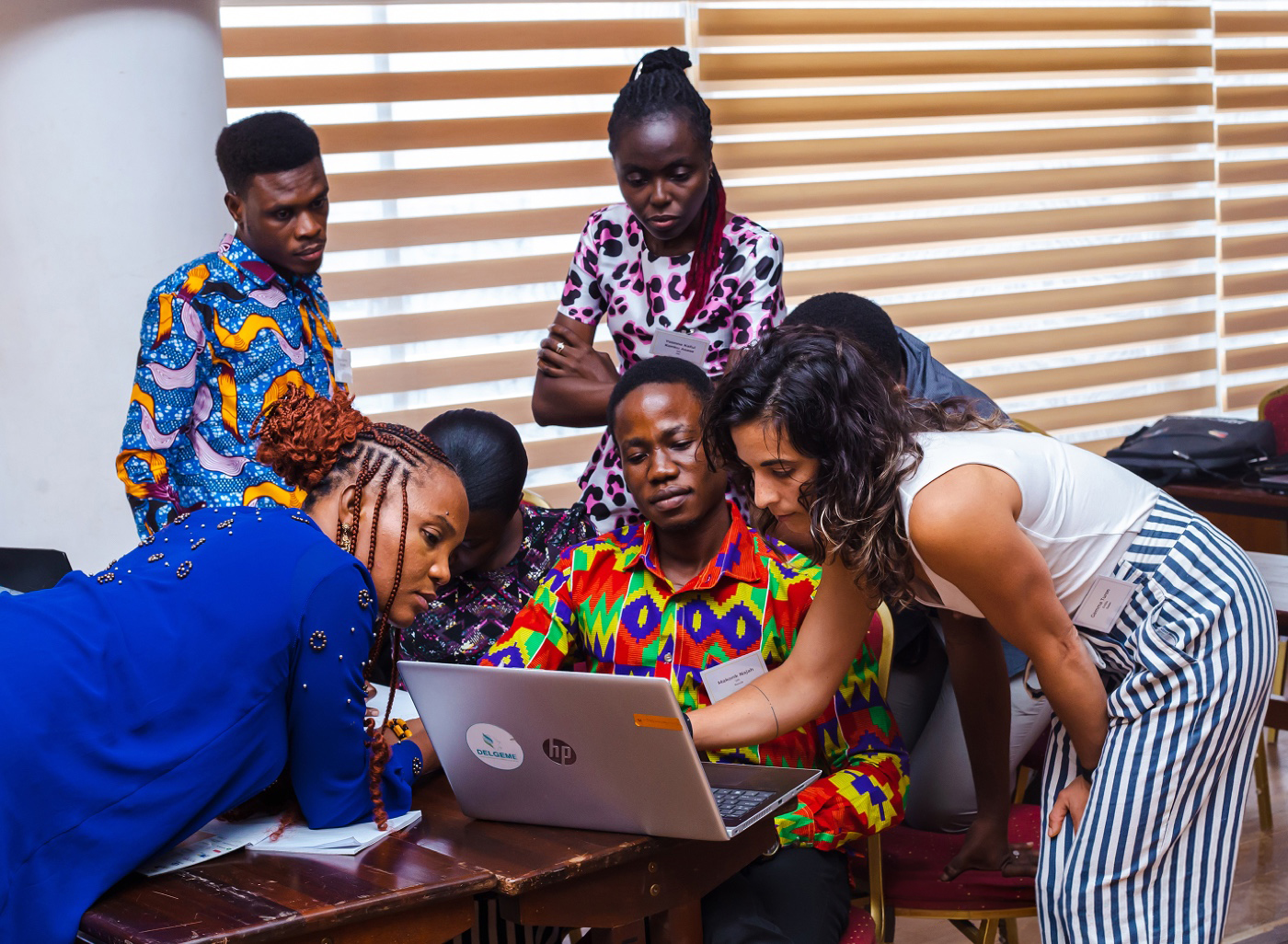
Photo credit: Ersilia Open Source Initiative / ersilia.io
Ersilia Open Source Initiative is a Spanish tech nonprofit that develops free AI tools for infectious and neglected-disease drug discovery. Founded in November 2020 by Gemma Turon, Miquel Duran-Frigola, and Edoardo Gaude, the organization operates as Fundació Ersilia Open Source Initiative after relocating from the UK to Spain.
Its Ersilia Model Hub gives chemists and biologists access to ready-to-use machine-learning models for diseases including malaria, tuberculosis, HIV, schistosomiasis, and antimicrobial resistance, alongside models for ADME and toxicity properties. Supporting tools include ZairaChem and ChemSampler.
Ersilia pairs open software with workshops, paid internships, mentoring, and support for data-science units at partner institutes. This approach is designed to help researchers in lower-resource settings use and develop computational methods without first building an entire machine-learning infrastructure. Fast Forward accelerated Ersilia in 2022.
Ersilia addresses a research-capacity gap: countries carrying a high infectious-disease burden contribute a comparatively small share of global scientific output, while relatively few drug-development programs target infectious diseases. By making models reusable and openly available, the organization seeks to reduce the technical cost of early-stage compound screening and enable more discovery work within affected regions.
Software access is reinforced through training, mentoring, and institution-level capacity building, including work with the H3D Centre at the University of Cape Town and centers in Cameroon. The intended impact is stronger local research infrastructure and more productive discovery pipelines—not ownership of a commercial drug candidate. Model releases, collaborations, and publications therefore indicate enabling capacity rather than completed treatments or clinical outcomes.
Ersilia reports that its Model Hub contains more than 180 AI and machine-learning models, while its homepage cites over 100 developers and 10,000 code commits. Its 2025–2027 strategic plan reports direct training for more than 100 researchers, 20 paid internships, and 23 papers, including 13 research articles.
The organization also cites a 2023 GitHub for Social Good Award and recognition as a Digital Public Good in 2024. These figures come from Ersilia’s website, strategy materials, and publications and do not constitute an independent impact evaluation or evidence of completed treatments.
Ready-to-use research models
The Ersilia Model Hub packages machine-learning models so research teams can screen compounds without constructing a complete ML stack.
Focused on underserved diseases
Available models address malaria, tuberculosis, HIV, schistosomiasis, antimicrobial resistance, and relevant drug-property predictions.
Capacity beyond software
Workshops, mentoring, internships, and partner data-science units help researchers build lasting computational skills.
Open scientific infrastructure
Publicly released code, models, and research outputs are designed for reuse and collaboration rather than proprietary control.
Focus areas
Locations