
Aquaculture is the controlled cultivation of aquatic organisms including fish, shellfish, seaweed, and other aquatic plants and animals for food, conservation, and commercial purposes.
Often called aquafarming, it functions as the aquatic equivalent of agriculture and now produces more than half of all seafood consumed globally.
The practice takes place across freshwater, brackish water, and marine environments using systems ranging from coastal ponds to open ocean net pens to fully enclosed land-based facilities.
Aquaculture has become the world's fastest-growing food production sector and plays a central role in addressing global protein demand while reducing pressure on overexploited wild fish stocks.

Why Aquaculture Matters Now
Global aquaculture production reached about 131 million metric tons in 2022, and aquaculture’s output of aquatic animals (94.4 million tons) surpassed wild capture fisheries for the first time.
By 2030, aquaculture production of aquatic animals is projected to reach 109 million metric tons, a 32 percent increase over 2018 levels.
Several factors are driving this growth:
- Food security demands: The global population continues to grow while wild fish stocks face pressure from overfishing. Approximately 90 percent of marine fish stocks are either overfished or fully exploited.
- Protein efficiency: Farmed seafood generally requires less feed to produce a pound of protein compared to land-based livestock, making it a more resource-efficient protein source.
- Climate considerations: Certain forms of aquaculture, particularly shellfish and seaweed farming, can sequester carbon and improve water quality rather than generating emissions.
- Economic development: Aquaculture supports coastal communities and creates employment opportunities, particularly in developing economies across Asia, Africa, and Latin America.
The market was valued at approximately $310 billion in 2024 and is projected to reach $417 billion by 2030, growing at a compound annual growth rate of roughly 5 percent.
Types of Aquaculture
Aquaculture encompasses several distinct categories based on species, environment, and production methods.
Finfish Farming
The cultivation of fish species including salmon, tilapia, catfish, carp, trout, and sea bass. Finfish farming accounts for the largest share of aquaculture production by value and can occur in freshwater ponds, marine net pens, or recirculating aquaculture systems (RAS) on land.
Shellfish Farming
The cultivation of mollusks and crustaceans including oysters, mussels, clams, shrimp, and prawns. Shellfish farming is notable because most shellfish are filter feeders that require no external feed inputs and can actually improve water quality by removing excess nitrogen from coastal waterways.
Seaweed Farming (Algaculture)
The cultivation of marine algae including kelp, nori, and other seaweed species. Seaweed farming is carbon negative, requires no feed, freshwater, or fertilizer inputs, and has applications across food, pharmaceuticals, cosmetics, biofuels, and animal feed.
Integrated Multi-Trophic Aquaculture (IMTA)
A systems approach that combines species from different trophic levels in the same farming operation. For example, fish waste provides nutrients for seaweed, which in turn improves water quality for shellfish. IMTA represents a regenerative model that mimics natural ecosystem functions.

Production Methods
Aquaculture operations vary significantly based on their level of technology, environmental setting, and management intensity.
Open water systems include coastal net pens, offshore cages, and suspended rope or rack systems for shellfish and seaweed. These systems leverage natural water circulation but are more exposed to environmental variables and potential conflicts with other ocean users.
Pond systems are the most common globally, particularly for freshwater species like tilapia, catfish, and carp. Ponds can be earthen or lined and may be stocked at varying densities depending on target species and management approach.
Recirculating aquaculture systems (RAS) are land-based, enclosed facilities that filter and recycle water. RAS operations offer precise environmental control, biosecurity advantages, and the ability to farm fish anywhere regardless of climate or coastal access. They require significant capital investment but reduce many environmental concerns associated with open water farming.
Hatcheries produce juvenile fish and shellfish that are then transferred to grow-out facilities or released for stock enhancement programs. Many aquaculture operations depend on hatcheries for consistent supply of quality seedstock.
Environmental Considerations
Aquaculture's environmental footprint varies dramatically based on species, production methods, and management practices.
Potential Concerns
- Nutrient pollution: High-density finfish operations can release excess nitrogen and phosphorus into surrounding waters if not properly managed.
- Disease transfer: Concentrated populations can harbor pathogens that may spread to wild fish populations.
- Escapees: Fish escaping from farms can compete with or interbreed with wild populations, potentially affecting genetic diversity.
- Feed inputs: Carnivorous species like salmon require feed that often includes fishmeal and fish oil derived from wild-caught forage fish, creating pressure on lower trophic levels.
- Habitat conversion: Poorly sited operations can damage sensitive ecosystems, particularly mangroves and coastal wetlands.
Sustainability Advantages
- Shellfish and seaweed require no external feed and can improve water quality through nutrient removal and carbon sequestration.
- Lower carbon footprint: Farmed seafood generally produces fewer greenhouse gas emissions per unit of protein compared to land-based livestock.
- Reduced pressure on wild stocks: Sustainable aquaculture can help meet seafood demand without further depleting already stressed fisheries.
- Habitat creation: Shellfish beds and seaweed farms can provide structure that supports biodiversity and serves as nursery habitat for wild species.
Aquaculture and Impact Investing
Aquaculture has attracted growing attention from impact investors seeking to address food security, ocean health, and climate objectives simultaneously.
Morgan Stanley identified sustainable aquaculture as one of four major investment opportunities in the blue economy, estimating that $150 billion to $300 billion in capital expenditure is needed over the next decade to expand capacity while improving sustainability practices.
Private finance has invested an estimated $3.5 billion to support sustainable fisheries and aquaculture over the past decade, with approximately 75 percent of ocean-focused funds established since 2015.
 Causeartist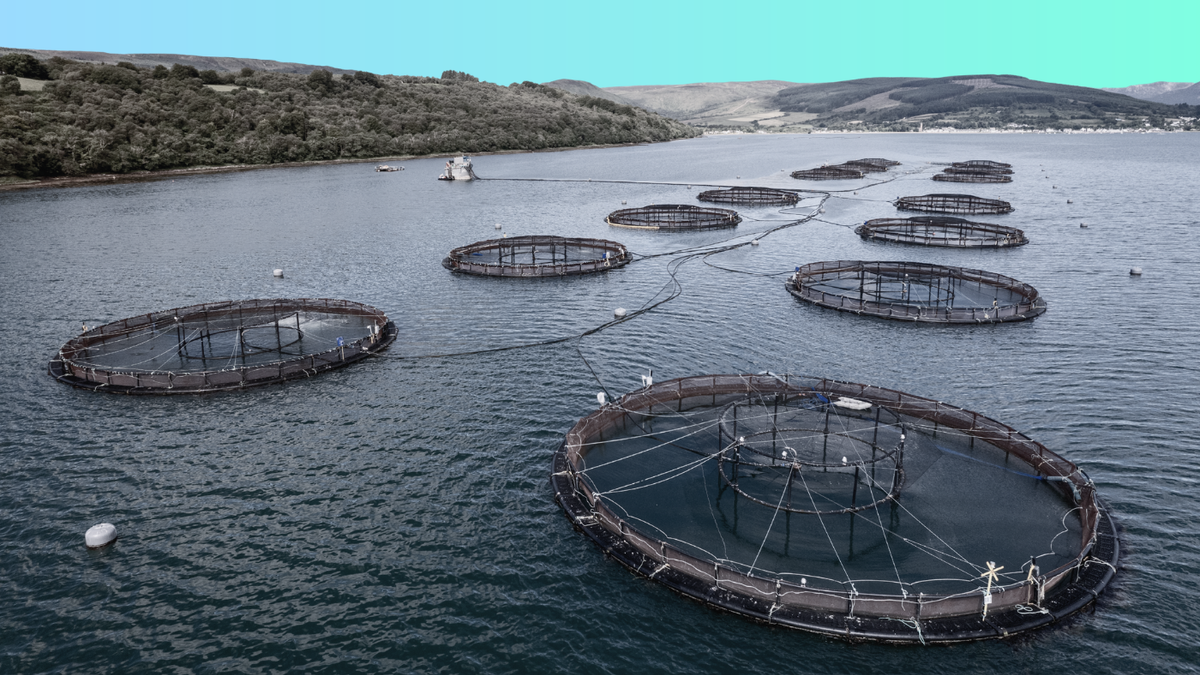
Notable aquaculture-focused investment vehicles include:
- Blue Revolution Fund: A €93 million fund established by Hatch Blue and advised by The Nature Conservancy, targeting next-generation fish farms, regenerative seaweed and shellfish farming, and enabling technologies.
- Aqua-Spark: A global aquaculture fund with nearly €300 million in assets under management investing across the aquaculture value chain.
- Ocean 14 Capital: A venture and growth fund investing in sustainable ocean solutions including aquaculture technologies.
Investment focus areas include alternative feed ingredients, disease prevention technologies, traceability systems, recirculating aquaculture systems, and restorative shellfish and seaweed operations.
Certifications and Standards
Several certification programs help consumers and investors identify responsibly produced seafood:
- Aquaculture Stewardship Council (ASC): The leading certification for responsibly farmed seafood, covering environmental and social standards across multiple species.
- Best Aquaculture Practices (BAP): A certification program covering the full aquaculture supply chain from hatcheries to processing facilities.
- Global Sustainable Seafood Initiative (GSSI): A benchmarking program that recognizes certification schemes meeting rigorous standards.
- Marine Stewardship Council (MSC): While primarily focused on wild-caught fisheries, MSC is expanding engagement with sustainable aquaculture.
Key Takeaways
Aquaculture represents a critical intersection of food security, environmental sustainability, and economic development. The sector's ability to produce protein efficiently while potentially restoring ocean ecosystems makes it an important focus area for impact investors and sustainability-focused businesses.
Success in sustainable aquaculture requires attention to site selection, species choice, feed sourcing, waste management, and integration with broader ecosystem management. The shift toward regenerative practices that actively benefit marine environments, rather than simply minimizing harm, represents the frontier of the industry's development.
FAQ
What is the difference between aquaculture and mariculture?
Aquaculture is the broader term covering all farming of aquatic organisms in freshwater, brackish water, and marine environments. Mariculture specifically refers to aquaculture conducted in saltwater or marine environments, including coastal and offshore operations. All mariculture is aquaculture, but not all aquaculture is mariculture.
How is aquaculture different from commercial fishing?
Commercial fishing involves harvesting wild fish and shellfish from natural populations. Aquaculture involves cultivating aquatic organisms under controlled or semi-controlled conditions, similar to how agriculture raises livestock and crops on land. Aquaculture provides more predictable supply and can be managed for specific outcomes, while wild capture relies on natural reproduction and population dynamics.
What species are commonly farmed in aquaculture?
The most commonly farmed finfish include carp, tilapia, catfish, salmon, and trout. Major shellfish species include shrimp, oysters, mussels, and clams. Seaweed species like kelp, nori, and wakame are increasingly cultivated. Asia dominates global production, with China alone producing approximately 60 percent of world aquaculture output.
Is aquaculture sustainable?
Sustainability varies significantly by species and production method. Shellfish and seaweed farming are generally considered highly sustainable because they require no external feed and can improve water quality. Finfish farming, particularly of carnivorous species like salmon, faces greater sustainability challenges related to feed inputs, disease management, and environmental impacts. Certifications like ASC help identify operations meeting rigorous sustainability standards.
Why are impact investors interested in aquaculture?
Aquaculture offers the potential for measurable environmental and social outcomes alongside financial returns. The sector addresses food security for a growing population, can create jobs in coastal communities, and when practiced sustainably, can restore ocean health and sequester carbon. The scale of capital needed, combined with clear impact metrics around seafood production, carbon sequestration, and ecosystem restoration, makes aquaculture attractive for impact-focused capital.