
Meet 5th World: Modern, Self Sustaining Homesteads
Rob Avis explains how 5th World builds regenerative food, water, and energy systems that help people create resilient and self sufficient properties.
The world is entering a period when old systems can no longer carry the weight placed on them. Centralized food supply chains break down under stress.
Water scarcity is now a recurring reality in both rural and urban regions.
Energy grids face rising volatility.
Soil health continues to decline after decades of extraction.
Many people see these cracks and feel the same question rising: how do we build a life that can withstand what is coming without surrendering our quality of living or our sense of purpose?
This is the landscape where 5th World is working.
The company was founded to help individuals and communities take practical steps toward resilience.
Their approach does not rely on vague sustainability slogans.
They focus on engineering, ecology, and land based systems that actually produce food, water, and energy in ways that restore the land rather than taking from it.
Their projects give clients something most modern systems never deliver: self sufficiency that strengthens over time.
Rob Avis brings decades of permaculture design, regenerative engineering, and hands on field experience to the work.
After building a successful education platform and advising land stewards around the world, he joined forces with Marc Ziade to establish 5th World.
Together they are building a model for what future ready properties and communities can look like: decentralized, regenerative, and dependable.
In this interview, Rob explains the origin of 5th World, the company’s mission, and how regenerative design can rebuild the relationship between people and the land they depend on.
What was the lightbulb moment that led to the creation of 5th World?
Rob: Before 5th World, I owned a permaculture education company and ran a YouTube channel with more than 85,000 subscribers. A client who followed my work purchased a ranch in British Columbia and asked for help creating regenerative food systems.
These systems use permaculture principles to produce food on-site while supporting the land’s ability to restore itself.
Working with that client and his network pushed me to formalize everything I knew about regenerative food, water, and energy infrastructure. That effort became a company.
I later partnered with Marc Ziade, who brought business strategy and engineering skills that complemented mine. We shared the same vision. Together we founded 5th World with Marc as CEO and myself as Chief Engineering Officer.
What is 5th World’s mission and vision?
Our mission is to accelerate the world’s transition to regenerative and distributed energy, water, and food systems. The current model, built for financial growth over regeneration, has pushed ecosystems past their limits.
When you take more than the system can renew, you guarantee collapse.
Agriculture shows the problem clearly. Monocropping and chemical inputs may increase yields in the short term, but they destroy the soil and weaken long term resilience.
We see the solution in decentralized design.
You relieve pressure on stressed systems, distribute risk, and return power to communities and land stewards.
Our vision is a world of autonomous, regenerative communities that combine the best of nature, technology, and human creativity.
How does 5th World make a positive impact?
Enjoying this? Get the next one.
We send one email each Monday with what just published on Causeartist.
Free. Unsubscribe anytime.
Our impact shows up in several clear ways.
Environmental regeneration
We help restore degraded land by rebuilding soil, improving groundwater recharge, increasing biodiversity, and integrating natural processes like agroforestry and passive water management. The land gains the ability to heal itself.
Food and water security
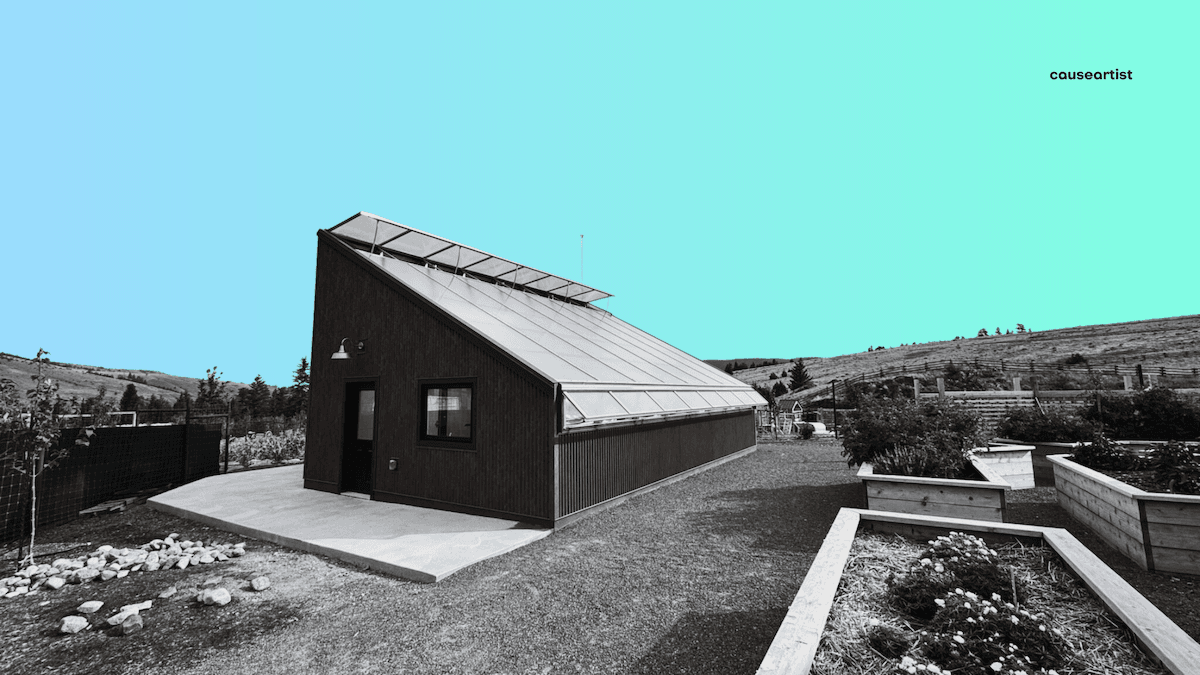
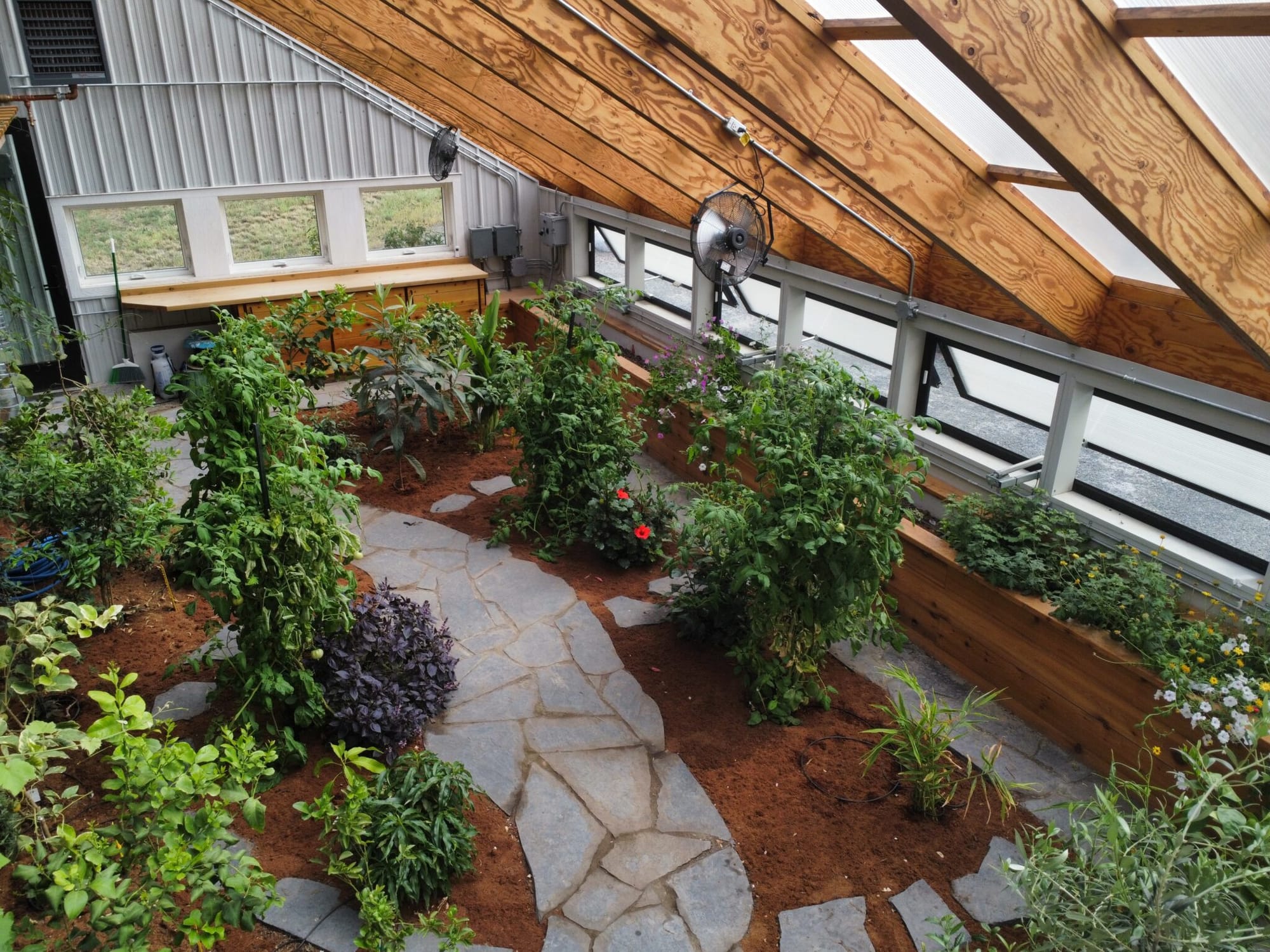
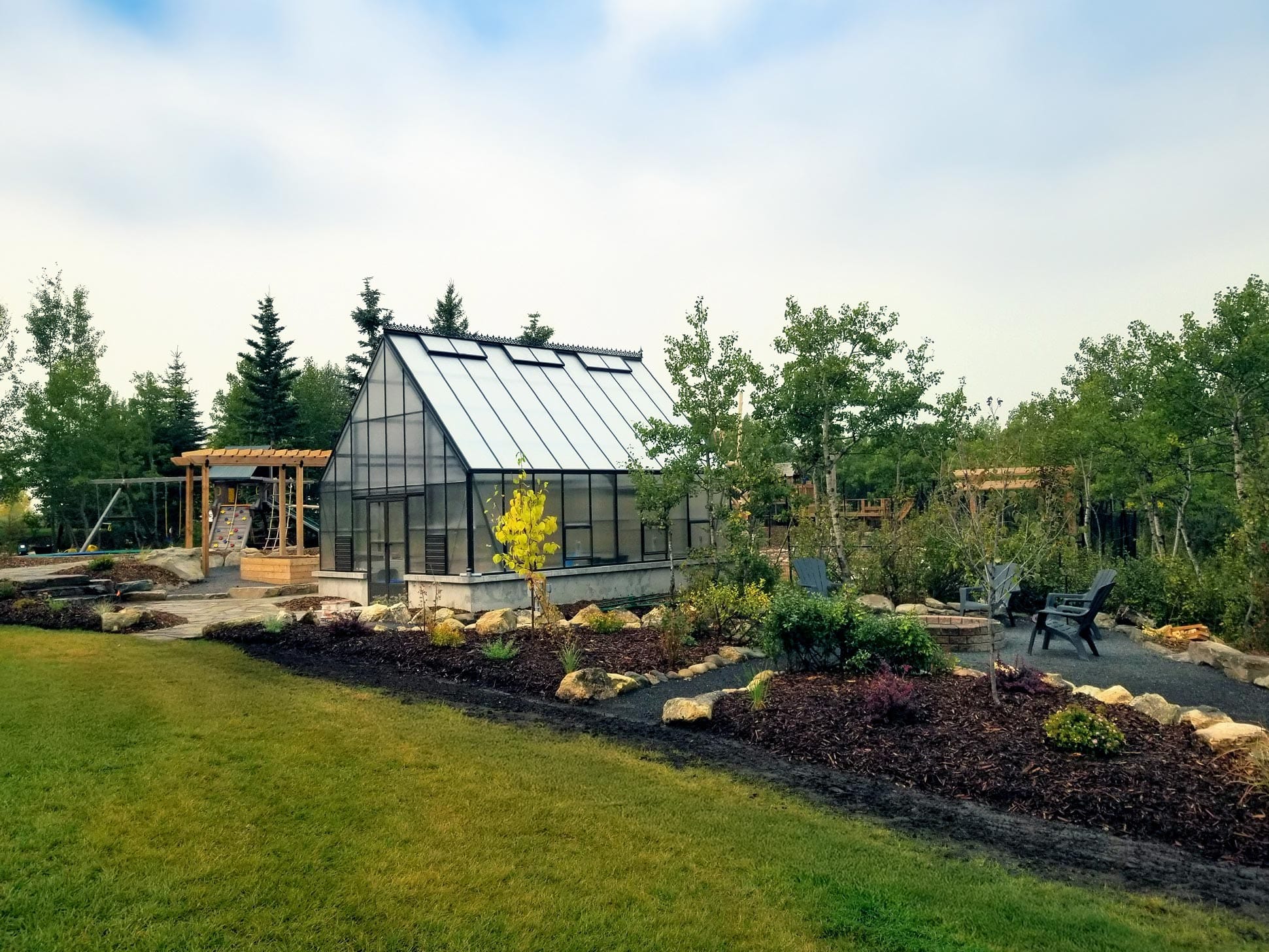
Through food forests, permaculture gardens, passive solar greenhouses, rainwater harvesting, and greywater reuse, clients gain reliable food and water supplies. This reduces dependence on global supply chains that fail under pressure.
Renewable energy and resilience
Distributed energy systems reduce exposure to grid instability and price spikes. People take responsibility for their own power needs.
Economic and community empowerment
Regenerative systems strengthen local networks through shared resources and new local production. They also protect property value since regenerative estates are better prepared for climate risk, utility failure, and food system stress.
Human well-being
Clients often report a deeper sense of purpose because the systems reconnect them to land and community. The work supports healthier lifestyles and less stress.
Our work is practical but it also changes the way people see their relationship with the natural world.
What is your business model?
We design and build homesteads and farms that supply their own food, water, and energy. Some clients come to us with a property already in hand. Others want help selecting land. We support both.
We take a systems thinking approach. Everything must connect. Everything must cycle. Our team designs food forests, gardens, energy efficient structures, water systems, and the overall layout to maximize resilience. The goal is a property that produces, renews, and withstands uncertainty.
What tools and partners power 5th World?
We use Wordpress for our website. Slack keeps internal communication simple and efficient. G Suite supports our document sharing, storage, and collaboration needs.
We also work with a growing network of partners who share our mission and values. Many of them operate in the sustainability and regeneration space.
Our Partnership Program helps these partners reach new audiences, grow revenue, and deepen their own impact.
Join the leading newsletter for impact founders and operators
Read by tens of thousands. Delivered three times a week. Funding rounds, new tools, and real stories from the people building a better economy.
No spam. Unsubscribe anytime.