
Business Case Study: Patagonia
This case study aims to explore Patagonia's unique business model, its deep-rooted impact strategy, and the lessons it offers for businesses seeking to integrate purpose with profit.
Photo credit: Patagonia: Modified by Causeartist
Key takeaways
- Patagonia generates $1.5 billion in annual revenue while donating 1% of sales to environmental groups, proving profitability and purpose can coexist.
- In 2022, founder Yvon Chouinard transferred 100% ownership to environmental causes, with Earth becoming the company's only shareholder.
- The company maintains healthy 50-55% gross profit margins and ~6-7% net profit margins through premium positioning and efficient operations.
- Patagonia's Worn Wear program extends product life through repair services, reducing waste while building customer loyalty and brand differentiation.
- Since 1985, the company has donated over $150 million to grassroots environmental organizations through its pioneering 1% for the Planet commitment.
Patagonia is an outdoor clothing and gear company renowned for its high-quality products and unwavering commitment to environmental and social responsibility.
Its mission statement, "We're in business to save our home planet," permeates every aspect of its operations, positioning it as a leader in purpose-driven business.
The company operates within the impact sector by actively working to minimize its environmental footprint, promote fair labor practices, and inspire other companies to do the same.
This case study aims to explore Patagonia's unique business model, its deep-rooted impact strategy, and the lessons it offers for businesses seeking to integrate purpose with profit.
Readers will gain insights into how Patagonia has successfully balanced financial success with a profound commitment to environmentalism and social justice, navigating challenges and setting a powerful example for responsible corporate citizenship.
Founding Story
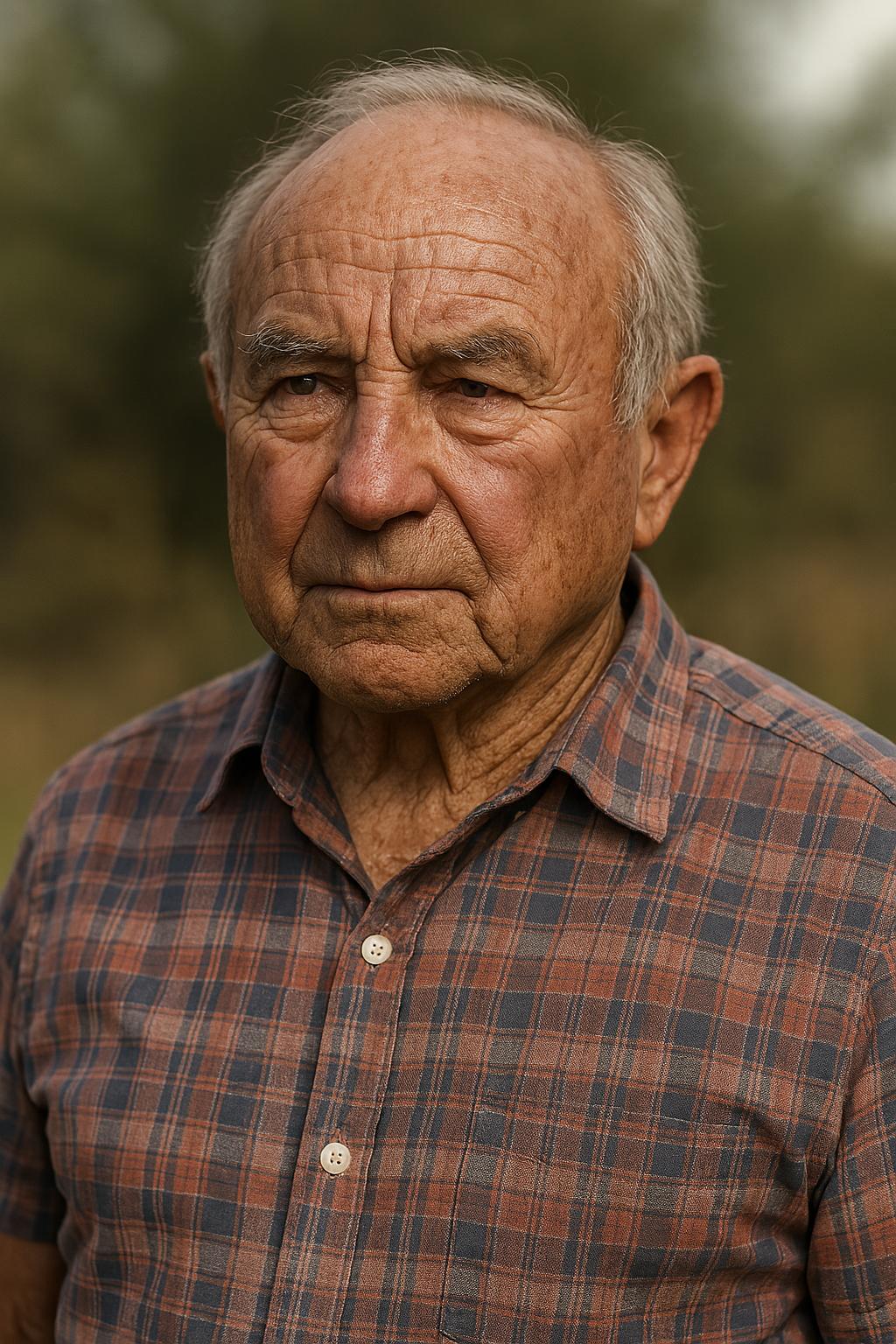
Yvon Chouinard, founder of Patagonia
Patagonia's story began in the late 1950s with Yvon Chouinard, a passionate rock climber who started making his own reusable climbing hardware because the existing gear was damaging the rocks.
This evolved into Chouinard Equipment, which became known for its innovative and durable climbing gear. By the late 1960s, Chouinard also started selling rugby shirts and other clothing suitable for outdoor adventures.
Recognizing the environmental impact of his businesses, Chouinard shifted his focus, leading to the incorporation of Patagonia in 1973, named after the rugged region of South America.
His personal ethos of simplicity, quality, and environmental stewardship became the bedrock of the company.
Vision and Mission
Patagonia's core vision is to use its business to inspire and implement solutions to the environmental crisis. Its mission, "We're in business to save our home planet," is not just a tagline but a guiding principle that informs every decision, from product design and material sourcing to political activism and philanthropic giving.
Initial Challenges
In its early days, Patagonia faced typical startup challenges related to funding, production, and establishing brand recognition.
However, a significant early challenge stemmed from Chouinard's unconventional approach to business, prioritizing quality and durability over planned obsolescence, which went against prevailing consumerism trends.
Balancing this commitment with the need for profitability required careful navigation and a loyal customer base that valued these principles.
Business Model

Revenue Streams
Patagonia primarily generates revenue through the sale of its outdoor clothing, gear for climbing, hiking, skiing, snowboarding, surfing, fly fishing, and trail running, as well as workwear and food products under Patagonia Provisions.
Revenue also comes from its used gear platform, Worn Wear, which promotes product longevity and reduces waste.
Patagonia's E-commerce
While Patagonia's commitment to the planet is tangible in their brick-and-mortar stores – often hubs for community and repair services – their online presence is a powerhouse of its own.
Recent data underscores just how significant their e-commerce operation has become. According to insights from Grips Intelligence, a platform specializing in e-commerce analytics, patagonia.com generated a staggering revenue of over $52 million in February 2025.
The success of patagonia.com further amplifies the brand's ability to achieve its overarching goals. The significant revenue generated online provides crucial resources to fuel their environmental initiatives, support fair labor practices, and continue pushing for a more sustainable future.
It's a powerful reminder that in today's landscape, a thriving e-commerce platform can be a vital engine for a company striving to make a positive impact on the world.
Value Proposition
Patagonia offers high-quality, durable, and functional products designed for outdoor enthusiasts. What sets it apart is its unwavering commitment to environmental and social responsibility, which resonates deeply with its target market.
Customers are not just buying a product; they are supporting a company that aligns with their values and actively works to protect the planet. The brand's transparency regarding its supply chain and environmental impact further enhances its value proposition.
Target Market
Patagonia's primary target market consists of outdoor enthusiasts who are passionate about environmental conservation and social responsibility. These customers value quality, durability, and sustainability and are often willing to pay a premium for products from a company they trust.
The market also includes individuals who appreciate the brand's ethical stance and commitment to making a positive impact.
💡
Yvon Chouinard wrote a book about his story and the creation of Patagonia. Read the book here
Impact Strategy
Goals and Objectives
Patagonia's impact goals are multifaceted and deeply integrated into its business operations. Key objectives include:
Minimizing its environmental footprint through responsible sourcing of materials (e.g., organic cotton, recycled materials), reducing waste, and lowering carbon emissions.
Promoting fair labor practices and safe working conditions throughout its supply chain.
Supporting grassroots environmental organizations through financial grants and in-kind donations.
Advocating for environmental protection and conservation through public awareness campaigns and political activism.
Encouraging product longevity and repair through its Worn Wear program.
Implementation Plan
Patagonia implements its impact strategy through various concrete actions:
Material Innovation: Investing in and prioritizing the use of environmentally preferred materials like organic cotton and recycled polyester.
Supply Chain Transparency: Working closely with suppliers to ensure fair labor practices and environmental standards, and publicly disclosing its supply chain.
1% for the Planet: Donating 1% of its sales to grassroots environmental organizations. Learn more
Patagonia Action Works: Connecting customers with local environmental volunteer opportunities and events.
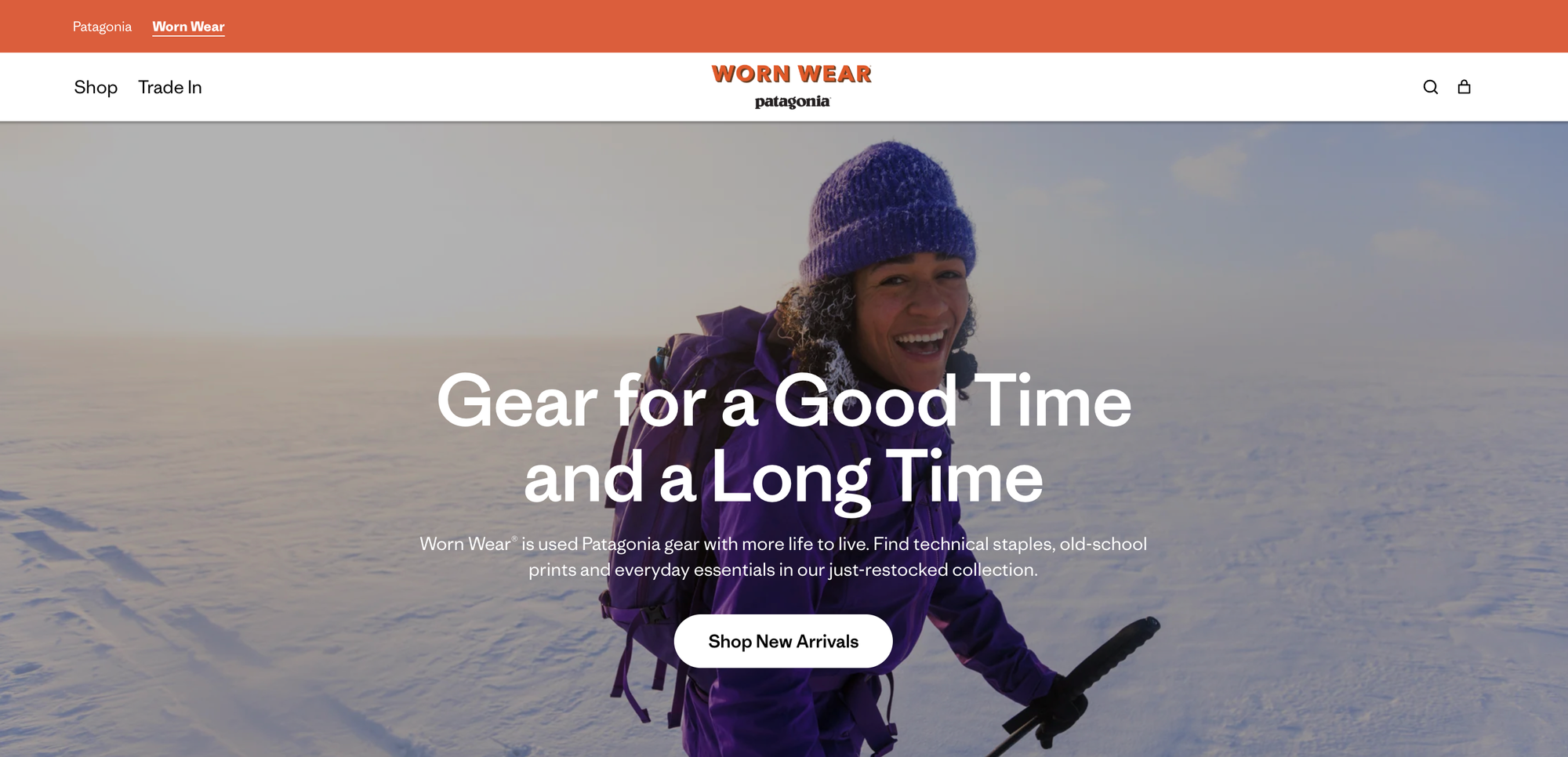
Worn Wear Program: Offering repair services, selling used gear, and providing resources for product care to extend the life of its products.
Advocacy: Engaging in political activism and public campaigns to advocate for environmental policies.
Partnerships and Collaborations
Patagonia collaborates with numerous organizations to amplify its impact, including:
Environmental Non-profits: Providing funding and support to a wide range of grassroots environmental groups.
Fair Labor Association: Working to ensure fair labor practices in its supply chain.
Bluesign Technologies: Partnering to ensure the responsible and sustainable manufacturing of textiles.
Other Businesses: Collaborating on initiatives to promote sustainable business practices across industries.
Achievements and Milestones
1985: Began donating 1% of sales to environmental groups.
1996: Switched to using only organically grown cotton in its clothing.
2011: Launched the Common Threads Initiative, emphasizing reduce, repair, reuse, recycle, and reimagine.
2013: Became a certified B Corporation, meeting rigorous standards of social and environmental performance, accountability, and transparency.
2018: Updated its mission statement to "We're in business to save our home planet."
2022: Founder Yvon Chouinard and his family transferred ownership of the company to two new entities: the Patagonia Purpose Trust and the Holdfast Collective, ensuring that all of Patagonia's profits will be used to fight the climate crisis and protect undeveloped land.
Impact Metrics
Donated over $150 million to environmental groups through its 1% for the Planet commitment.
Significantly reduced its use of virgin petroleum-based materials by increasing the use of recycled content.
Supported numerous fair labor initiatives and improved working conditions in its supply chain.
Diverted significant amounts of clothing from landfills through its Worn Wear program.
Engaged millions of customers in environmental activism through Patagonia Action Works.
Impact Case Examples
Patagonia's long-standing support for grassroots environmental groups has enabled them to protect vital ecosystems and fight against harmful industrial practices. For example, their funding has been crucial in campaigns to protect wild rivers and old-growth forests.
The Worn Wear program has not only extended the life of Patagonia products but has also fostered a culture of mindful consumption among its customers. Stories abound of well-loved Patagonia gear being repaired and passed down through generations, reducing the need for new purchases.
Patagonia's public stance against certain political decisions and its active participation in environmental campaigns have raised awareness and inspired others to take action on climate change and conservation issues.
Patagonia Financial Overview
Enjoying this? Get the next one.
We send one email a week with the best impact reads, interviews, and tools.
Free. Unsubscribe anytime.
FAQ
How does Patagonia balance profit with environmental activism?
Patagonia generates $1.5 billion in annual revenue while maintaining strong profit margins of 50-55% gross and 6-7% net. The company donates 1% of sales annually to environmental groups (roughly $10-15 million yearly) and reinvests profits into sustainable practices. Their premium positioning allows them to charge higher prices while customers support their environmental mission, proving that purpose-driven business can be highly profitable.
What happened when Yvon Chouinard transferred Patagonia ownership in 2022?
In September 2022, founder Yvon Chouinard transferred 100% ownership of Patagonia to two new entities focused on environmental causes. The Patagonia Purpose Trust received 2% voting shares to preserve the company's mission, while the Holdfast Collective received 98% non-voting shares. All future profits (estimated at $100 million annually) will fund environmental and climate work, making Earth the company's only shareholder.
What is Patagonia's Worn Wear program and how does it create impact?
Worn Wear is Patagonia's program that promotes product longevity through repair services, selling used gear, and providing product care resources. It extends the life of Patagonia products, reduces waste by diverting clothing from landfills, and fosters mindful consumption among customers. The program generates additional revenue while reinforcing the brand's sustainability values and creating stories of gear being repaired and passed down through generations.
How has Patagonia's revenue grown over the years?
Patagonia has experienced consistent growth from a niche outdoor gear maker to a billion-dollar enterprise. Revenue grew from ~$200 million in the early 2000s to $600 million by 2012, then to over $1 billion by 2019, reaching approximately $1.5 billion in 2022. This represents roughly tripling from 2000s to 2012, then quadrupling over the subsequent decade, demonstrating the market demand for purpose-driven outdoor gear.
What makes Patagonia's business model unique in the outdoor industry?
Patagonia's uniqueness lies in integrating environmental activism directly into its business operations. Unlike typical outdoor companies, Patagonia prioritizes product durability over planned obsolescence, operates as a certified B Corporation, engages in political activism, and uses business success to fund environmental causes. Their mission 'We're in business to save our home planet' guides every decision from material sourcing to supply chain transparency, creating authentic alignment between values and operations.
More Case Studies
Browse all
Photo credit: Allbirds


Photo credit: Chobani Yogurt Company


Photo credit: Dr. Bronner’s

Get weekly impact insights
Founder stories, funding news, and tools — curated for impact builders.
Join 25,000+ Causeartists
Free. Unsubscribe anytime.